This copy is for your personal, non-commercial use only. Distribution and use of this material are governed by our Subscriber Agreement and by copyright law. For non-personal use or to order multiple copies, please contact The Epoch Times Reprints.
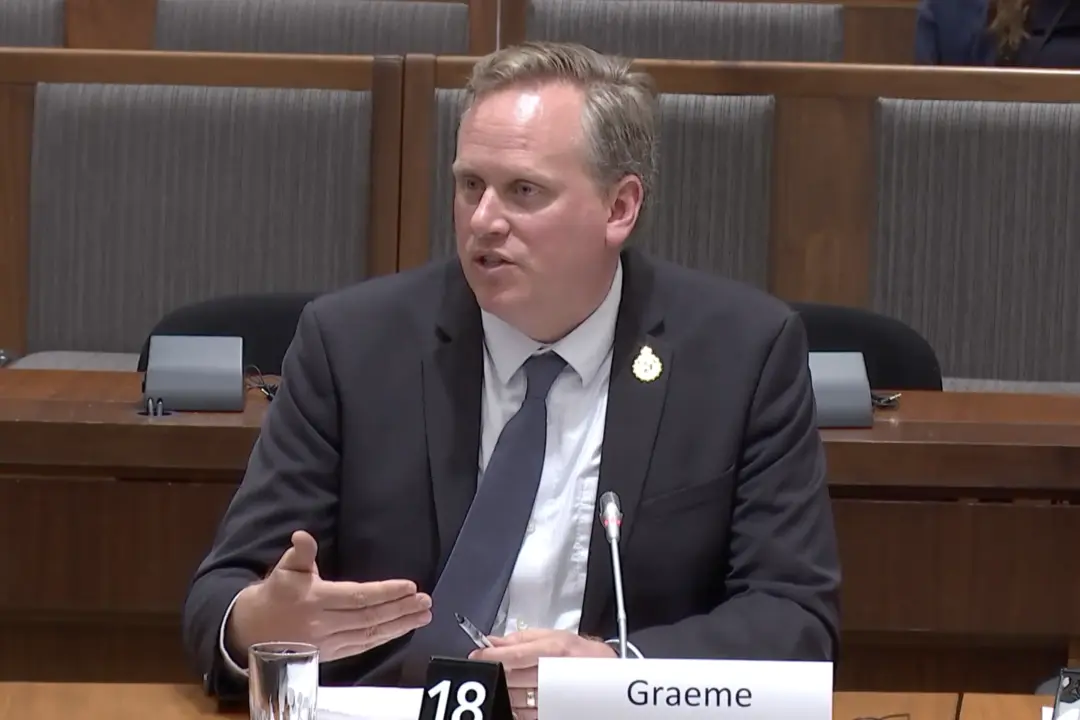
Secretary of State (Canada Revenue Agency and Financial Institutions) Wayne Long rises during question period in the House of Commons on Parliament Hill in Ottawa on June 20, 2025. The Canadian Press/Justin Tang
The secretary of state responsible for the Canada Revenue Agency (CRA) says the agency has “hit rock bottom” and its service levels are “completely unacceptable.”
“We’ve hit rock bottom. It can’t get much worse than it is now,” Secretary of State for the CRA and Financial Institutions Wayne Long said during an interview on CTV’s Power Play with Vassy Kapelos aired Sept.8.
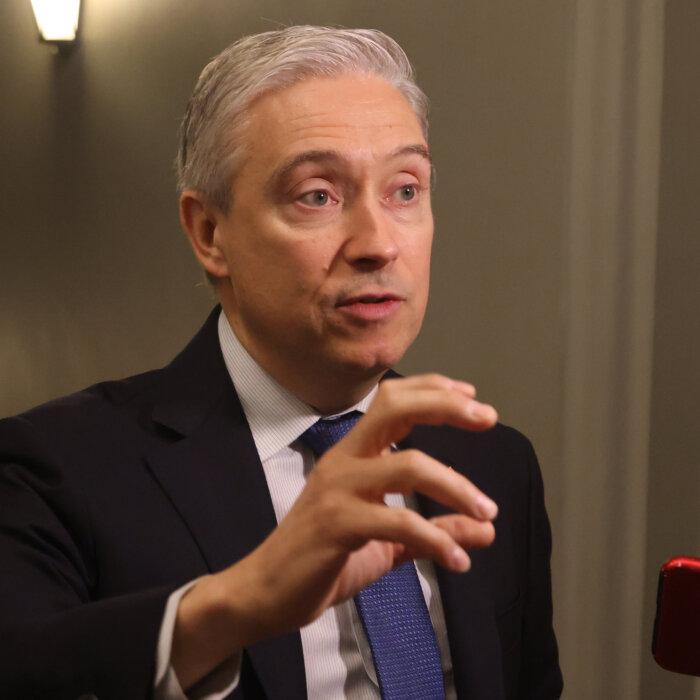
Last week, Finance Minister François-Philippe Champagne and Long sent a letter the CRA directing the agency to implement a 100-day action plan to address its call centres’ service delays. Champagne said it has become “increasingly apparent” that the CRA is not meeting Canadians’ standard for service.
The letter called on the CRA to improve its service through measures such as reallocating and adding personnel, implementing a new call-scheduling system, and expanding digital services.
“We want to make sure service levels are acceptable,” Long said. “They are completely unacceptable right now. I acknowledge that.”
Long noted that if a private business, such as a call centre selling hotel rooms, was operating with the same level of service, it would be “out of business and heads would roll.”
The union representing CRA workers has noted that nearly 7,000 jobs were cut in 2024, including debt collector and call centre positions.
Furthermore, the union said in a July 9 release that in response to the federal government’s imposed budget cuts on its departments and agencies, the CRA informed its employees that it has to reduce its spending by $715 million by the 2028-2029 fiscal year.
In July, Champagne sent a letter to his cabinet colleagues asking them to find savings in their departmental budgets, including 7.5 percent savings starting in fiscal 2026, increasing to 10 percent savings in 2027, and reaching 15 percent in 2028.
Long told CTV he understood if Canadians have doubts about the government’s ability to make budget cuts without impacting services after the delays experienced after recent cuts at the CRA. He said the CRA is trying to get back to its pre-pandemic staffing level, which had led to cuts, but that the agency extended the contracts of 850 call centre workers last month.
He said factors such as an increase in population and more complicated tax filings have contributed to the long wait times experienced by Canadians as call centre agents are “overrun.”
Budget Cuts
When asked about his work with Champagne and what will be cut from the federal government’s upcoming budget, Long said “everything is being reviewed.” When pressed by Kapelos, he would not specify whether there would be future job cuts to public service.
“Don’t prejudge the process. We are going through it line by line by line. We will get this right,” Long said, while adding that the Liberal government is not “going to slash and burn” programs.
Long noted that departments will reduce their spending as every minister looks for inefficiencies within their departments. He said that he and Champagne will look at each department’s review to see what projects and programs aren’t needed.
Meanwhile, Champagne said last week that Canada’s public service will need to go through “adjustments” as Ottawa looks to reduce its spending ahead of the release of its fall budget.
Champagne told reporters on Sept. 4 that his fellow cabinet colleagues have responded to his request to find savings in their departmental budgets over the next three years. He also said “a lot” of people had been added to the public service during the pandemic period, and that now is a time to make adjustments to reduce spending.
Carney told reporters on Sept. 3 that the federal government’s spending rate over the last decade, which equates to an average of 7 percent per year, is twice the growth rate of the economy on average. He said the government needs to “rein in” spending and “find efficiencies.”
Champagne said he agreed with Carney’s push for a government spending review, adding that a “leaner and more efficient” government is needed.
Long told CTV that Carney’s government was “elected on a mandate of fiscal restraint, fiscal responsibility.” He added that Canadians will likely not know what cuts are happening in advance of the budget’s release in October.