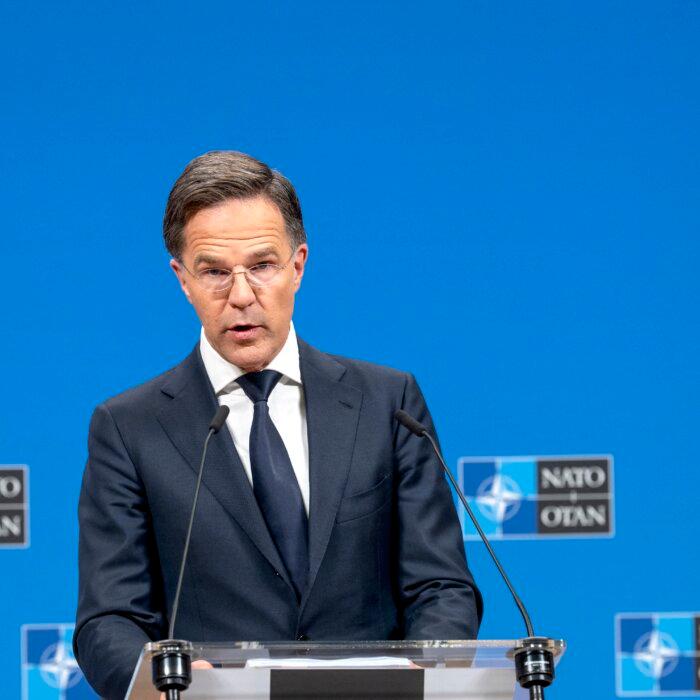
NATO Secretary General Mark Rutte is set to call for a 400 percent increase in the alliance’s air and missile defenses at a speech in London on June 9.
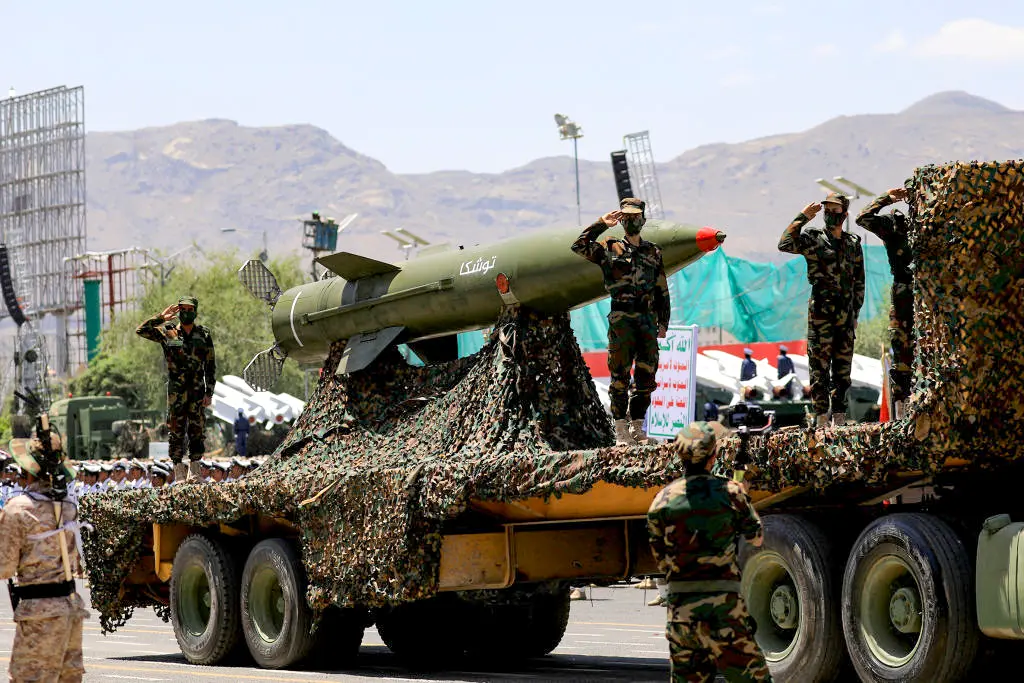
Rutte, who has been in the post since October 2024, is expected to argue during a talk at the Chatham House international affairs think tank that the boost is needed for the organization to maintain credible deterrence and defense.“We see in Ukraine how Russia delivers terror from above, so we will strengthen the shield that protects our skies,” he will say, according to extracts circulated by NATO ahead of the event.
“The fact is, we need a quantum leap in our collective defense. The fact is, we must have more forces and capabilities to implement our defense plans in full. The fact is, danger will not disappear even when the war in Ukraine ends.”
To maintain credible deterrence and defense, he will add that NATO needs “a 400 percent increase in air and missile defense.”
“Our militaries also need thousands more armored vehicles and tanks, millions more artillery shells, and we must double our enabling capabilities, such as logistics, supply, transportation, and medical support,” the extract says.
He will also meet with British Prime Minister Keir Starmer during his trip to London, which precedes a summit of NATO heads of state and government due to be held in The Hague, Netherlands, this month.

That will be the first meeting of alliance leaders since a changing of the guard in several key positions, with a new U.S. president, German chancellor, Canadian prime minister, and NATO secretary-general all in place since the NATO summit in Washington in 2024.
Rutte, who was formerly the Dutch prime minister before taking over stewardship of NATO from Jens Stoltenberg last year, is already urging member states to hike defense spending to 3.5 percent of GDP and commit a further 1.5 percent to security-related infrastructure spending.
The push for the spending increase was sparked by U.S. President Donald Trump’s demand that NATO members meet a new defense spending target of 5 percent of GDP, a marked rise from the 2 percent currently required by the alliance.
Currently, no member state dedicates 5 percent of its GDP to defense spending.
Several countries—including Spain, Italy, and Canada—still fall short of the current 2 percent target.
With little let-up in fighting in Russia’s war against Ukraine, European countries are under pressure to raise defense spending after Trump signalled a shift in policy, pushing for the region to better protect itself.
The extracts from Rutte’s speech have already drawn reproach from Russia, with the Kremlin labelling them yet another attempt to siphon off taxpayers’ money in the alliance’s countries under the guise of an “ephemeral threat.”
“If the governments of European countries and members of the North Atlantic Alliance want to treat their taxpayers this way, then they will do so.”
Rutte has proposed reaching the 5 percent target by 2032, but some Eastern European nations consider that timeframe too long, while others located farther away from the Russian border regard it as too swift, given current spending, industrial production levels, and the state of their economies.