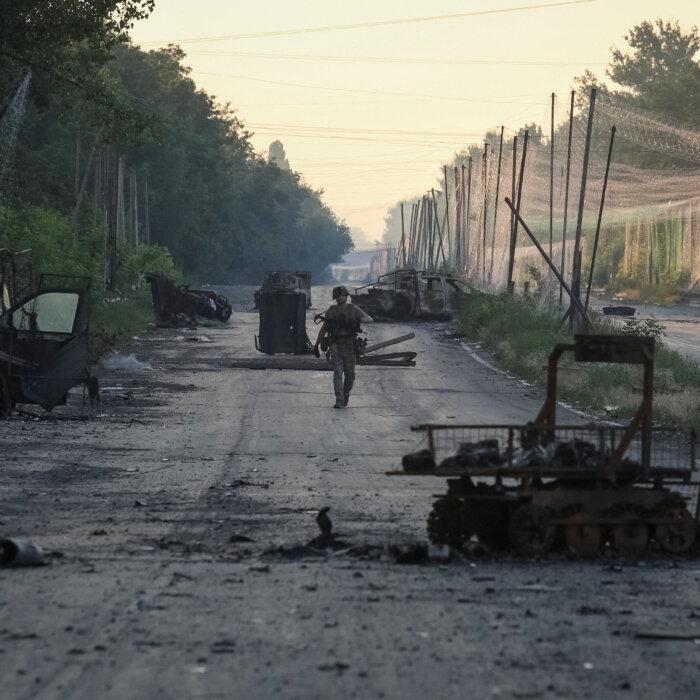
Russia carried out one of its largest air assaults of the war on July 2, launching hundreds of drones and dozens of missiles at Ukraine’s capital, Kyiv.
The attack killed at least 21 people, injured more than 90 others, and damaged approximately 130 buildings across the city.
Explosions echoed throughout Kyiv overnight as thousands of residents sought safety in bomb shelters and underground metro stations.
Thick smoke covered parts of the skyline, highlighting the scale of the destruction.
Officials described it as the deadliest attack on the capital in months and one of the most widespread since the war began.
Ukrainian President Volodymyr Zelenskyy returned early from a visit to Ireland to inspect the damage, including a heavily hit nine-story apartment building.
He expressed frustration over delays in receiving promised air defense systems from allied nations, arguing that faster deliveries could have saved more lives and prevented further damage.
According to Ukraine’s air force, Russia fired 74 missiles and 496 drones during the overnight assault.
Air Force spokesperson Yurii Ihnat noted that the unusually high number of ballistic missiles made interception more difficult, particularly as Ukraine continues to face shortages of Patriot missile systems.
Russia’s Defense Ministry said the strikes targeted military facilities, energy infrastructure, and airports in Kyiv and other locations using long-range missiles and drones.
Moscow described the operation as retaliation for recent Ukrainian drone attacks inside Russia.
Meanwhile, Ukraine reported striking an oil refinery in Russia’s Nizhny Novgorod region, where local authorities said one person was killed in the attack.
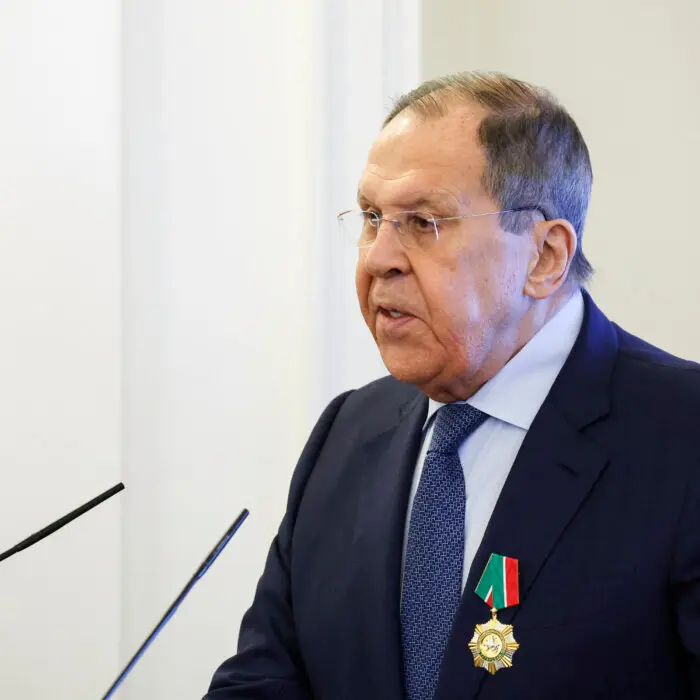
The Kremlin stated that Russian President Vladimir Putin had been briefed on the operation and indicated that Moscow would continue increasing military pressure to achieve its objectives in Ukraine.
Kyiv Mayor Vitali Klitschko declared July 3 a day of mourning, saying damage had been recorded across nearly every part of the city.
European Union Ambassador to Ukraine Katarina Mathernova said Russia had “unleashed hell” on Kyiv, adding that a building housing diplomatic personnel was damaged, though no diplomats were injured.
Emergency crews, numbering more than 600, continued searching through rubble at multiple locations as officials warned that some residents remained trapped beneath collapsed buildings.
Among the damaged sites was the National Institute of Biochemistry, where modern laboratory facilities and offices were destroyed.
The attack also prompted neighboring countries to take precautionary measures.
Poland temporarily deployed fighter jets, while Finland briefly established a restricted airspace zone over part of the eastern Gulf of Finland.
As Ukraine has expanded its long-range strikes against Russian energy infrastructure in recent months, Russia has responded by intensifying attacks on Ukrainian cities.
Ukrainian officials say their strikes have contributed to fuel shortages in Russia, forcing gasoline imports from countries such as India.
Diplomatic efforts remain stalled.
Zelenskyy has proposed peace talks with Putin, but the Kremlin has rejected the offer.
He also said Ukrainian and U.S. officials held discussions over the past two days and expressed hope of meeting U.S. President Donald Trump during a NATO summit in Turkey next week.
Since Russia launched its full-scale invasion in February 2022, thousands of Ukrainian civilians have been killed in attacks on Kyiv and other cities.
While Moscow denies deliberately targeting civilians, it argues that strikes on infrastructure support its military objectives.
Ukraine has also carried out attacks inside Russia and Russian-occupied territory, though on a significantly smaller scale.
Reuters contributed to this report.