Speaking to reporters at the close of the G7 foreign ministers’ meeting in Canada, Rubio said the United States was pressing all parties “at the highest levels” to stop the conflict, now more than two and a half years old.
Commenting on the escalation of violence in Sudan, Rubio said the RSF is “clearly receiving assistance from outside,” from countries that are financing it and “allowing their territory to be used to ship it and transport it.”
The United States has been working with its Quad partners—an informal diplomatic group including Egypt, Saudi Arabia, and the United Arab Emirates—to lead a negotiated peace process in Sudan.
When asked about the UAE’s role in the conflict, Rubio said the United States knows the parties involved in providing assistance to the RSF, but stopped short of naming any.
“I don’t want to get into calling anybody out at a press conference today, because what we want is a good outcome here. This needs to stop,” he added.
Rubio said Washington’s engagement with the Quad remained central to efforts to contain the conflict.
The RSF agreed to a humanitarian cease-fire on Nov. 6, but according to Rubio, the group “[doesn’t] intend to comply with it.”
Humanitarian Crisis
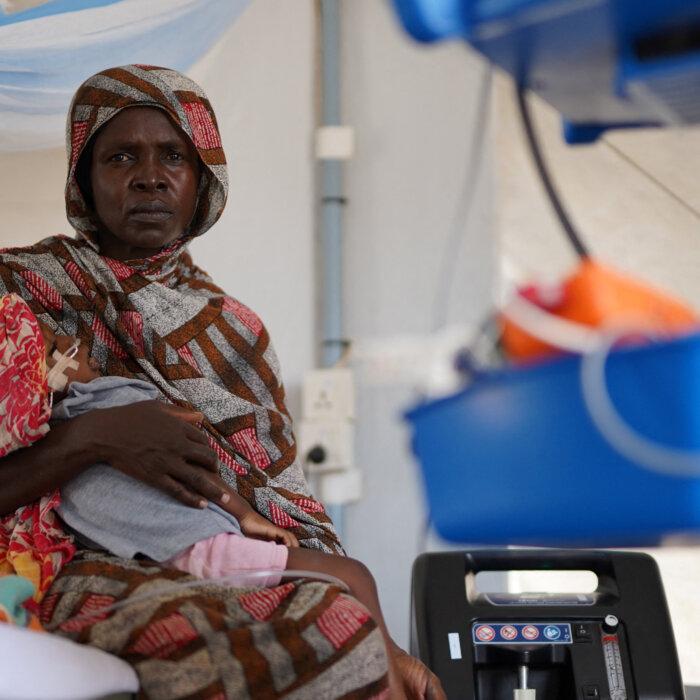
Rubio said humanitarian agencies had reported “unprecedented” levels of malnutrition among civilians fleeing RSF-held areas.He added that international officials were alarmed by the unexpectedly low number of refugees arriving from el-Fasher following its fall, noting that many people were likely unable to flee.
Aid workers believed “many of them are either dead or so sick and malnourished they can’t move anymore,” Rubio said.
“So what’s happening there is horrifying.”
When asked about bipartisan proposals in the U.S. Senate to designate the RSF as a foreign terrorist organization, Rubio said he would support such a move “if it would be helpful in bringing this to an end.”
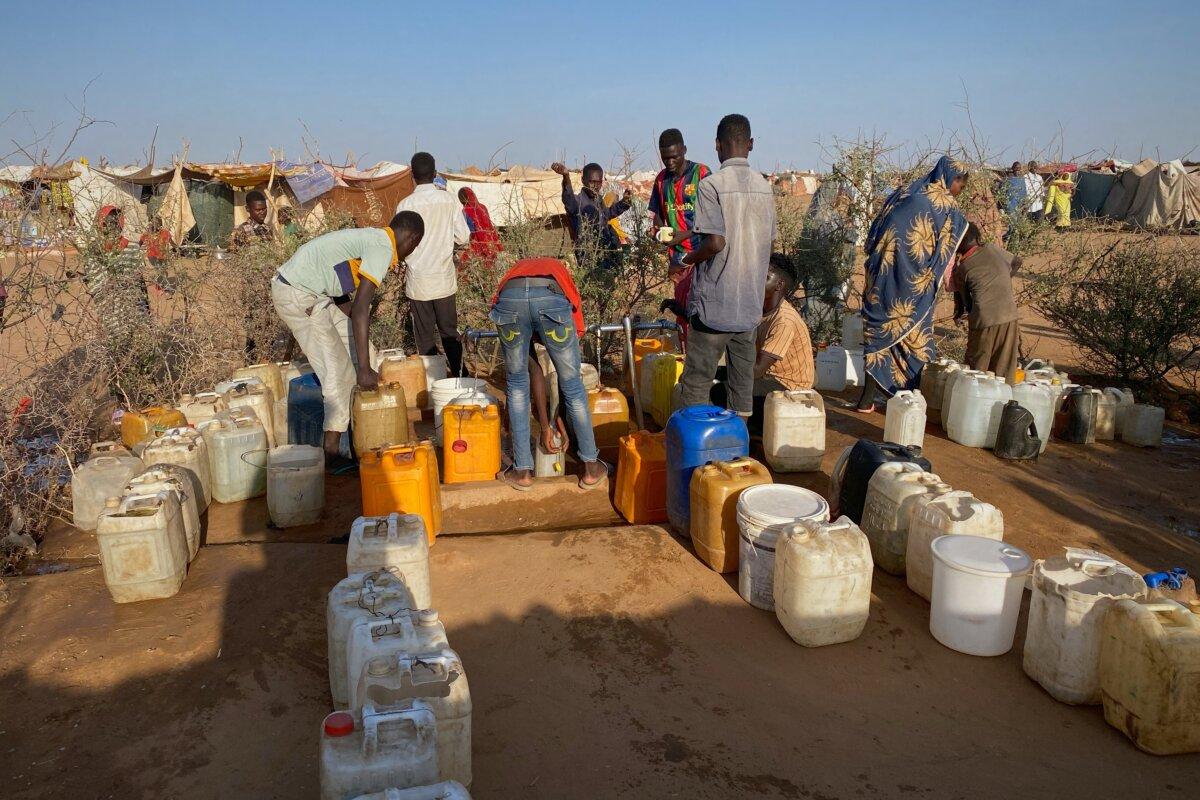
Escalating violence and reported mass killings in el-Fasher prompted the U.N. Human Rights Council to convene a special session in Geneva on Nov. 14.
In an opening address, U.N. human rights chief Volker Turk called for international action to protect civilians in el-Fasher and ensure an unimpeded flow of humanitarian aid.
He also urged action against individuals and companies “fueling and profiting” from the conflict in Sudan.
“There has been too much pretense and performance and too little action. It must stand up against these atrocities, a display of naked cruelty used to subjugate and control an entire population,” Turk said.