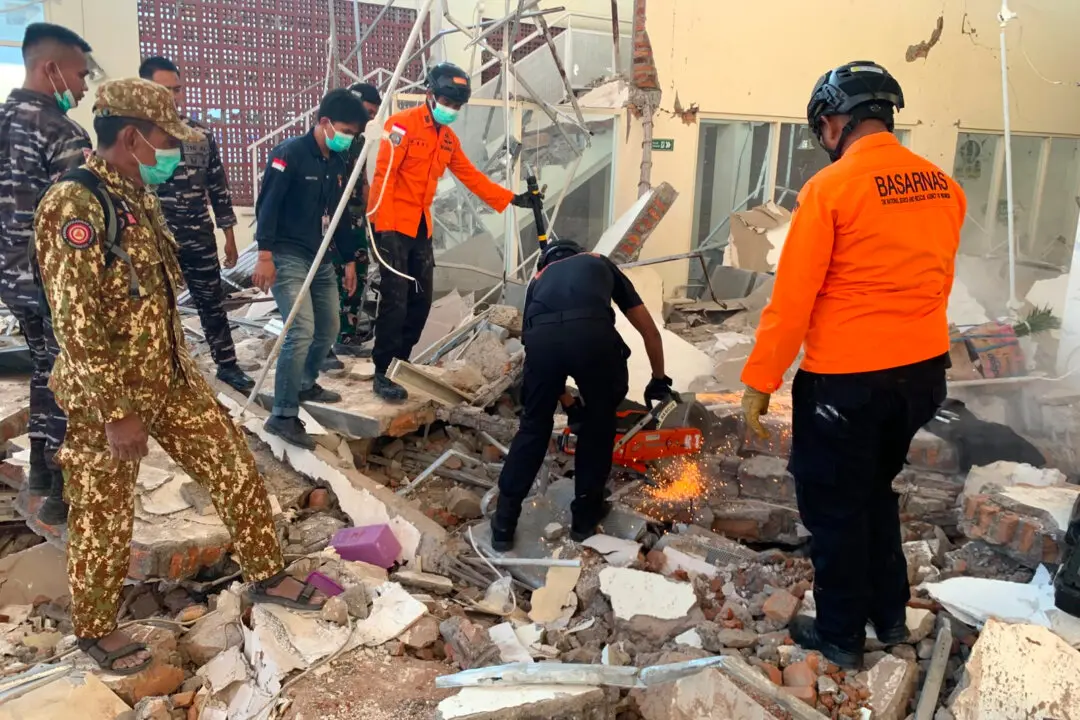
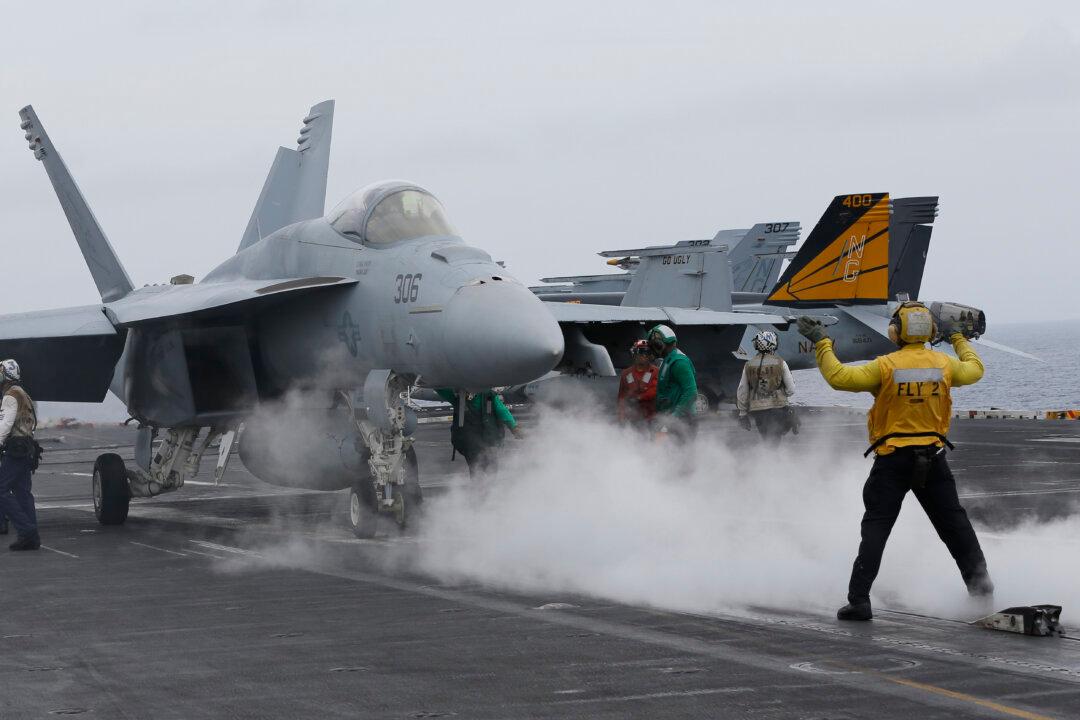
A Romanian F-16 fighter jet shot down a drone that breached the country’s airspace on July 24, marking the first time Romania has done so despite dozens of previous airspace incursions.
The Romanian Defense Ministry said its radar surveillance system “detected an aerial target” on Friday morning about 12 miles east of Sulina, a town in Tulcea County, Northern Dobruja, Romania. It said the target, which was later identified as a drone, penetrated the country’s airspace.
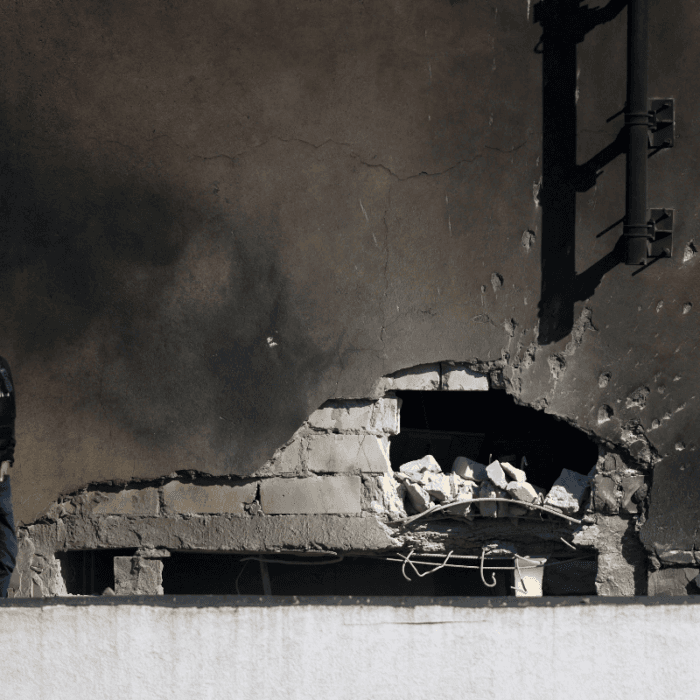
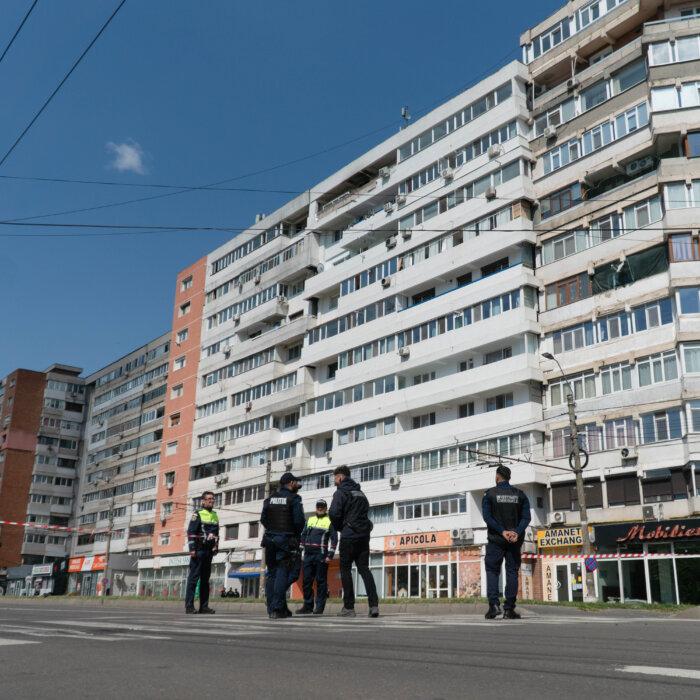
The drone incursion follows a series of violations of Romanian airspace, including a drone crash in May that left two people injured in an apartment building. There have been repeated breaches of airspace on NATO’s eastern flank during the war between Russia and Ukraine.
In response to Friday’s drone incursion, two Romanian Air Force F-16 aircraft assigned to the 86th Air Base and two Italian Air Force Eurofighter Typhoon aircraft, deployed to the 57th Mihail Kogalniceanu Air Base, were scrambled to monitor the situation. The two Italian fighter jets had been on NATO Air Policing duty prior to the incident, according to the defense ministry.
The Romanian Defense Ministry confirmed that one of the F-16 fighter jets engaged the drone with an air-to-air missile and shot it down over an unpopulated area near Padina, Buzau County.
Romanian Foreign Minister Oana Toiu said Friday was the first time a drone had been intercepted and destroyed in Romanian airspace.
“This morning, around 11:00 a.m., a Romanian pilot in an F-16 aircraft shot down a drone that had entered our country’s airspace,” Romanian President Nicusor Dan said in a statement posted on X on July 24.
“The area was uninhabited, so the pilot was able to fire without any risk involved. Currently, teams from institutions with relevant responsibilities are investigating the area to provide all the details about the incident.”
Toiu credited the successful downing of the drone to the dedication of the F-16 pilot, the quick response of the Romanian military, and close coordination with the Italian Eurofighter aircraft.
“This multinational combined effort underlines how NATO is ready and able to react to any potential air threats, 24/7, to safeguard our territory and protect our people,” NATO’s Allied Air Command said in a statement following the incident on July 24.
The command said an investigation was launched after the drone was shot down. It also noted that the downing of the drone came as Romania, NATO, and other nations had been actively obtaining ground-based interceptors to strengthen defense capabilities.
In a statement on social media, European Commission President Ursula von der Leyen said Friday’s drone incursion marked another violation of the eastern part of European airspace.
“I commend the Romanian military for their swift and effective response, safeguarding our shared security,” she said. “Strengthening defence and deterrence along our Eastern border remains a top priority.”
Gen. Gheorghita Vlad, the Romanian army’s chief of staff, said on Friday that Romania had not yet identified the origin and purpose of the drone. He indicated that the drone appeared to be a recognized type of attack drone but said it was too soon to form conclusions.
“Visually, the pilots reported the drone looked to be a Shahed type,” he said.
The Shahed attack drones, which were designed by Iran, have been repeatedly used by Russia during its war with Ukraine.
Toiu said the Russian drone incursion in May accelerated efforts to strengthen the country’s defenses.
“Our top priority is to increase capabilities,” Toiu said. She added, “There is a common understanding that we need to strengthen the eastern flank, not just in Romania. This is a conversation we’re having with the Baltics and all countries on the eastern flank.”
The leaders of NATO’s eastern member nations issued a joint statement in May highlighting the need to consolidate NATO’s air defenses against airspace violations.
“Repeated airspace violations on the Eastern Flank underscore the urgent need to continue strengthening NATO’s air and missile defence, including against [unmanned aircraft system] threats,” the leaders said.