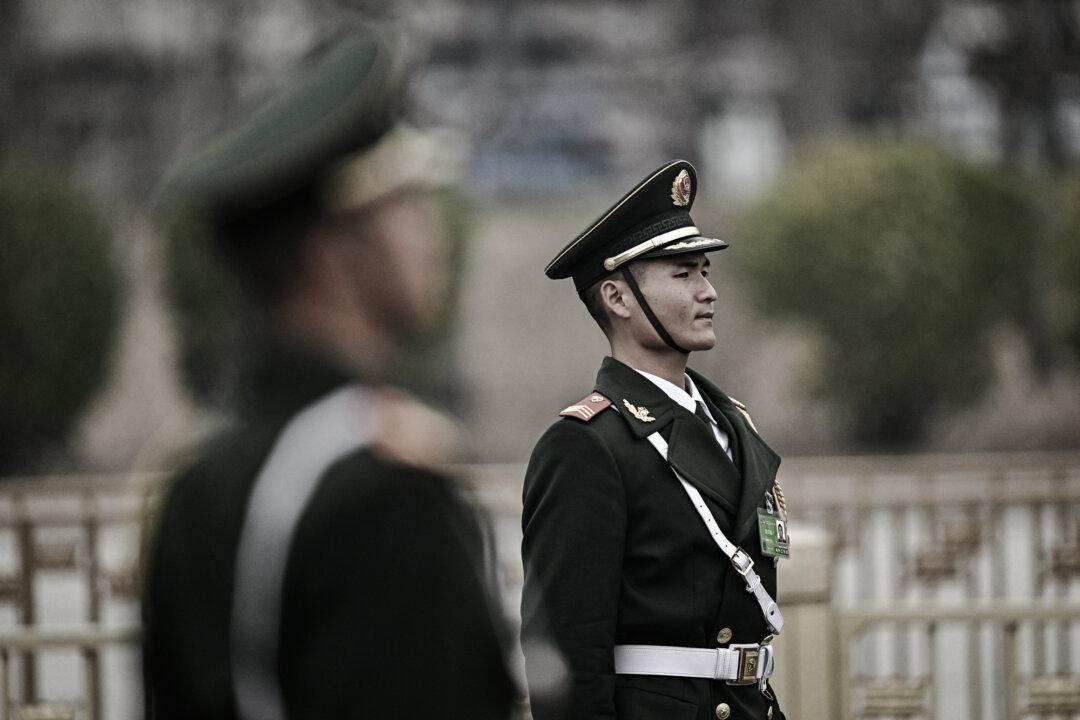
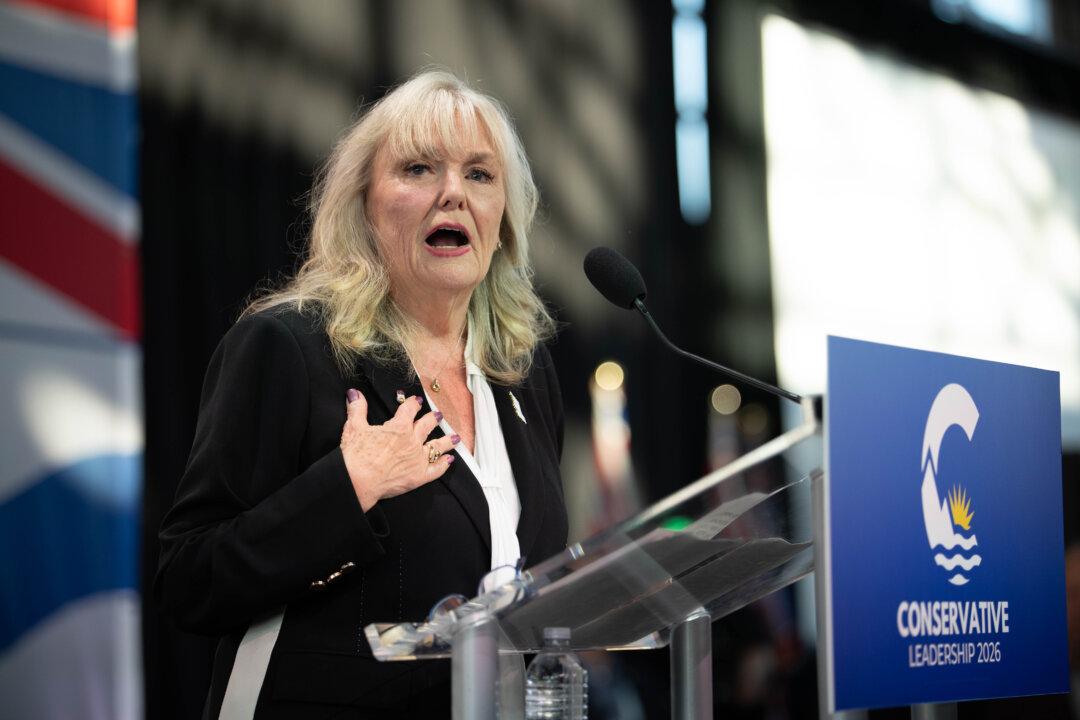
Human rights groups and members of the diaspora gathered in Ottawa as Chinese Foreign Affairs Minister Wang Yi arrived on May 28 for a three-day visit at the invitation of Foreign Affairs Minister Anita Anand.
Dean Baxendale, CEO of the China Democracy Fund and publisher of Optimum Publishing International, said he came to Ottawa from Toronto to “send a message to Minister Wang who has come here to Canada to try to solidify new business deals and arrangements with the Canadian government, mostly on the backs of the Falun Dafa followers, Uyghur slave labour, Tibetans.”
“The Chinese Communist Party has oppressed all people in China, and it’s time that our government actually stands up for human rights for those people in China, rather than standing up for the profits of Canadian corporations and selling out individuals for profit,” Baxendale told NTD, a sister media of The Epoch Times.
David Matas, a Winnipeg-based international human rights lawyer, said the Canadian government should more actively declare any Chinese diplomats involved in transnational repression persona non grata.
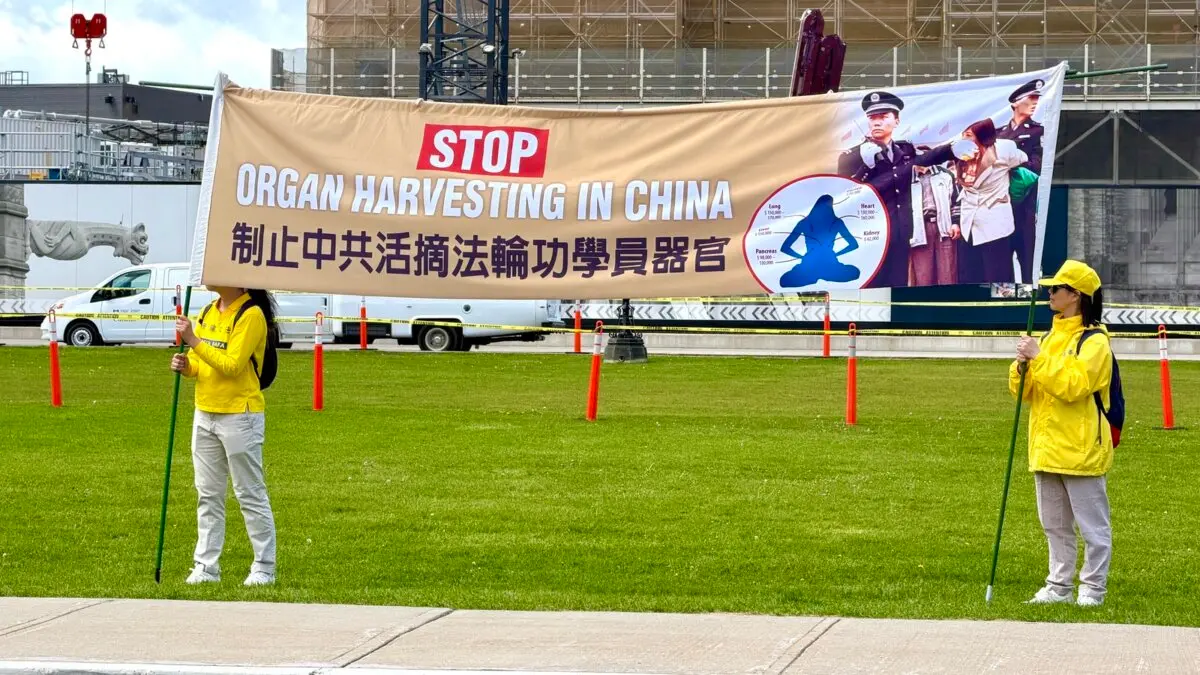
Matas was in Ottawa to take part in a press conference earlier in the day on Parliament Hill with Falun Dafa practitioners, who requested that Anand use the meeting to request China to end its transnational repression as well as its interference with Shen Yun in Canada.
Shen Yun Performing Arts, a New York-based classical Chinese dance company, was founded by leading artists in 2006 to revive China’s traditional culture. The company’s artists are practitioners of Falun Dafa, a traditional Chinese spiritual discipline also known as Falun Gong, which became subject to persecution by the Chinese Communist Party (CCP) in 1999. The peaceful meditation discipline gained widespread popularity across China during the 1990s, and the totalitarian regime deemed this popularity as a threat.
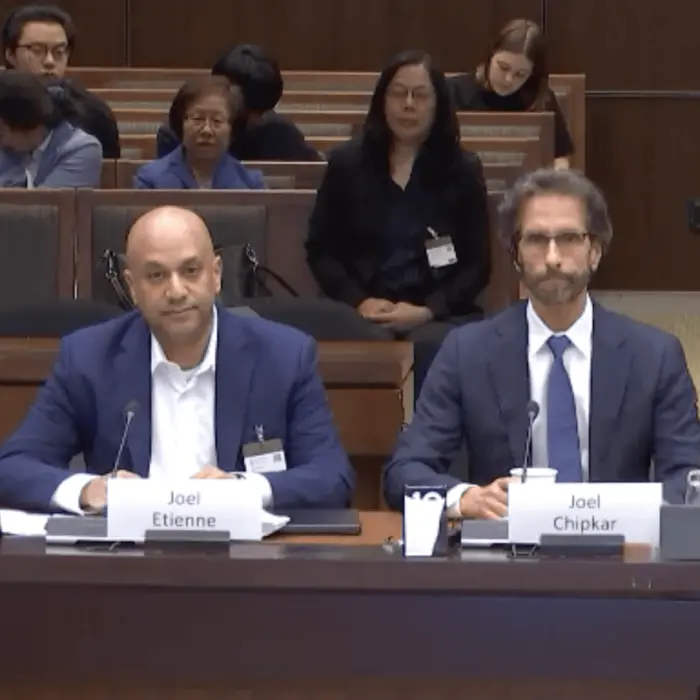
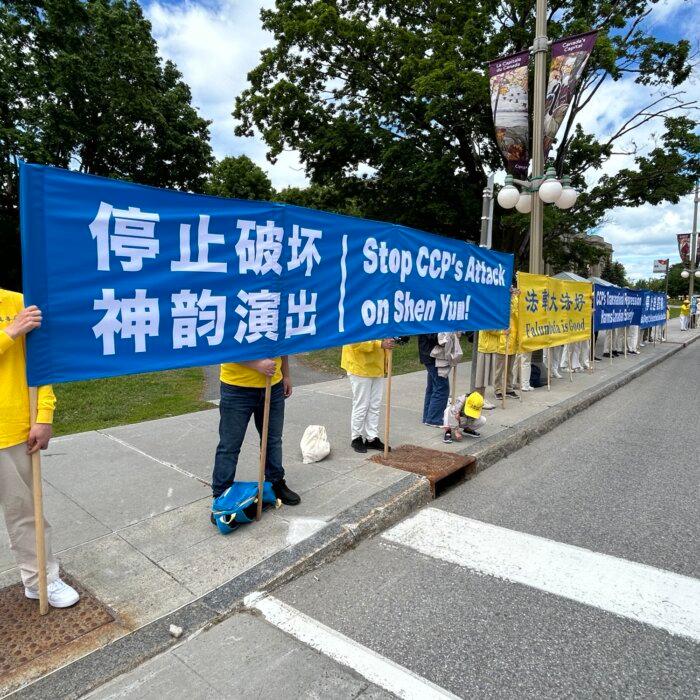
Shen Yun is often targeted by the CCP, with local presenters of the show saying venues hosting it have received fake bomb threats aimed at disrupting performances more than 150 times over the past two years.
The Queen Elizabeth Theatre in Vancouver also received bomb threats in April shortly prior to hosting Shen Yun. However, that venue allowed the shows to proceed after police confirmed that the threats weren’t credible. The Vancouver Police Department’s cybercrimes unit linked the email account that sent the threats to a phone number based in China. The same email account also sent the threats to the Four Seasons Centre in Toronto.
Local presenters of Shen Yun have also raised concerns about the federally owned and operated National Arts Centre in Ottawa refusing to allow Shen Yun to perform there in 2026 and 2027, despite having hosted the show for 18 years. Records obtained through an access to information and privacy (ATIP) request show emails between February 2023 and April 2025 in which the Chinese Embassy approached the NAC leadership with invitations to events and requests to meet, with the efforts intensified after arrival of China’s new ambassador to Ottawa, Wang Di, in mid-2024.
A July 12, 2024, email by then-NAC CEO Christopher Deacon to his executive assistant says, “The advice received is that I should meet the Ambassador. Can you find a time,” without specifying who issued the advice.
Subsequent ATIP emails show that Wang met with Deacon and two other NAC senior officials at the venue in August 2024, and that Wang hosted Deacon and one of the senior NAC officials for dinner at his official residence in October 2024.
“The embassy and consulates cannot approach these dance company venues directly, and they’re doing it,” Matas told NTD, adding that such actions go against the Vienna Convention on Diplomatic Relations.
“Obviously what they say is problematic, but the very fact they’re saying anything is problematic. The very fact that they’re having meetings, dinners, parties is a violation of international law and Canadian law.”
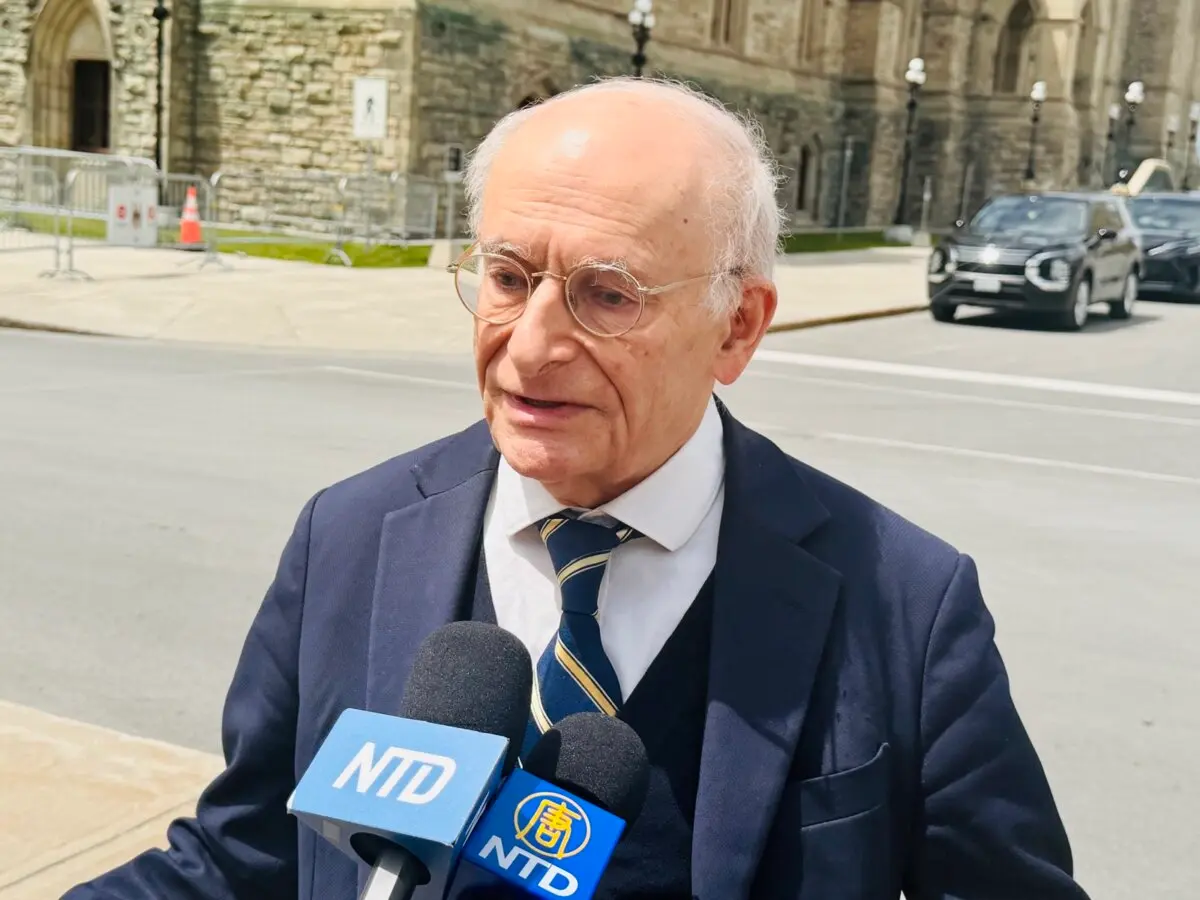
Matas said the Canadian government should raise such issues as Wang visits Ottawa.
“What the Canadian government should do is say to Wang Yi when he’s here, ’this is a treaty you signed. This is our law. Respect our law. Respect the treaty,'” he said.
Canada’s Interest
Charles Burton, a senior fellow with the think tank Sinopsis, expressed concern about Chinese officials warning Canadian MPs against visiting Taiwan—which the Chinese regime considers part of its territory. In addition, Burton, also a policy adviser of the Uyghur Rights Advocacy Project as well as the Canada Tibet Committee, raised concern over Ottawa signing an agreement with China on police cooperation, which the federal government has so far declined to make public.“There are a number of issues there in terms of expectations,” he told NTD while in Ottawa about Wang’s visit to Canada.
“I think the Chinese would like Canada to support their entry into the Trans-Pacific Partnership, although most of us believe that China is not qualified—their economy is not free enough to be qualified for that grouping—and of course they want us to continue to tolerate the activities of Chinese diplomats in Canada engaging in transnational repression.”
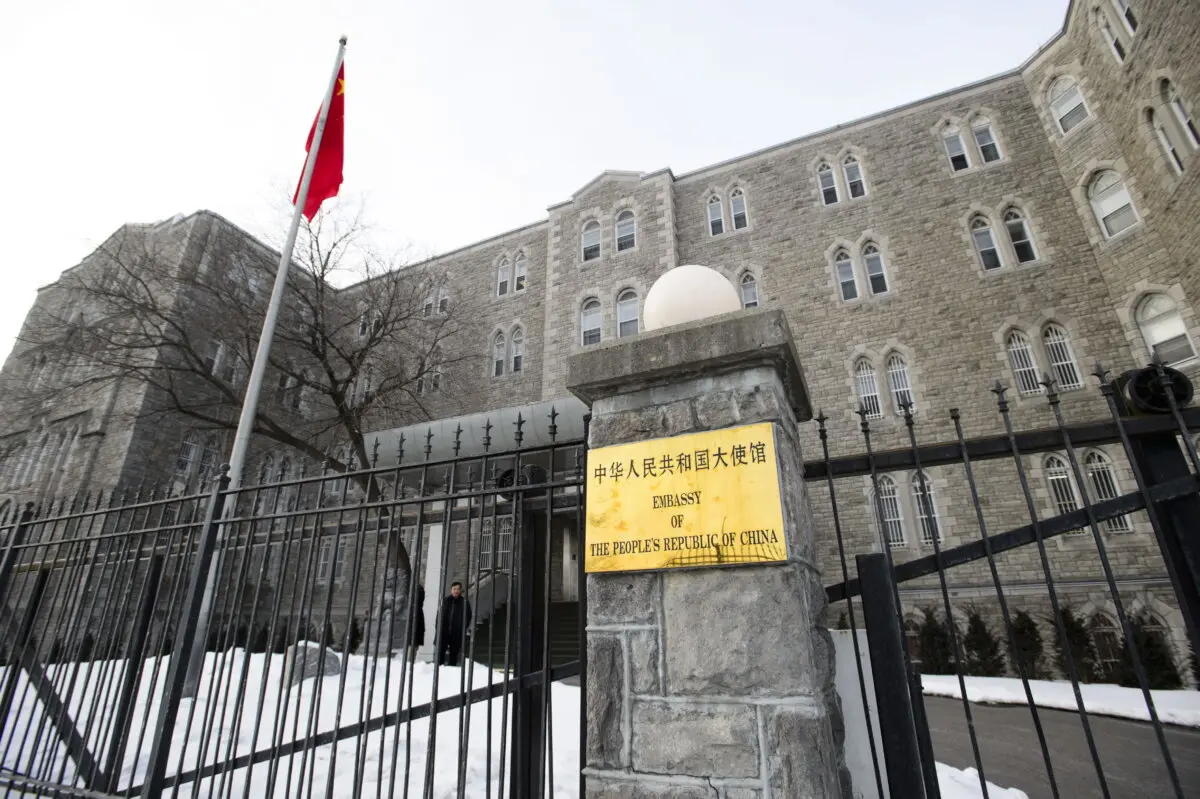
Burton, who was formerly a Canadian diplomat working in China, said Beijing’s mode of operation is to make demands without committing to anything on its part that would benefit Canada.
“I anticipate that the engagement will be largely one way: the Chinese demanding things of Canada in exchange for a promise of maintaining or expanding Canadian access to the Chinese market for Canadian commodities and services. But we have no assurance that the Chinese side will actually fulfill that kind of commitment,” he said.
Burton pointed out that China is not a large-volume export market for Canada, accounting for about 4 percent of Canada’s total exports. He said that even if Canada doubles that volume as it seeks to diversify trade destinations, China still would not be a particularly large market for Canada.
“[Prime Minister Mark] Carney ought to consider the implications of his giving priority to building Canadian prosperity through trade with China,” Burton said.
“I don’t see the compromises that he’s making on non-trade issues, on security and sovereignty, and democratic values, as justified by the potential benefits that frankly I don’t think will derive from his interactions with the Chinese.”