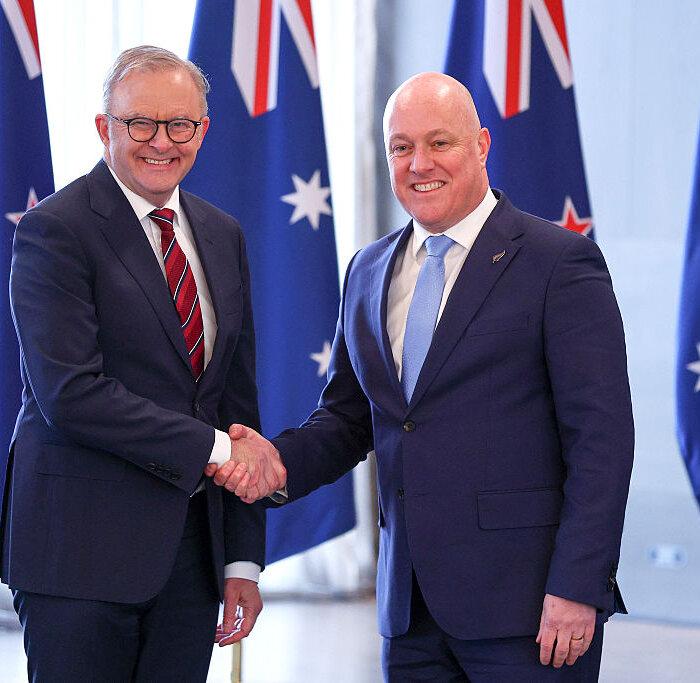
As soon as he arrived, Australian Prime Minister Anthony Albanese was greeted by his New Zealand counterpart, Christopher Luxon, with a bear hug. As they left the press conference, a visibly relaxed Albanese joked to the media, “We’re going inside for a cuddle.”
Albanese spoke of the “uncertain world” faced by both nations. The one certainty, he said, was that “Australia and New Zealand stand together,” as part of a relationship going back to the ANZACs.
Luxon’s comments reflected a similar sentiment.
“The world seems really uncertain and fractious, and actually, we have no greater friend than Australia,” he said.
Regional Security
The leaders reaffirmed their “cooperate where we can, disagree where we must” approach to Beijing, maintaining dialogue while raising concerns over human rights, trade, and sovereignty.They both recently made successful visits to China, which is the largest trading partner of both countries but has stepped up its military exercises around Taiwan and the Philippines.

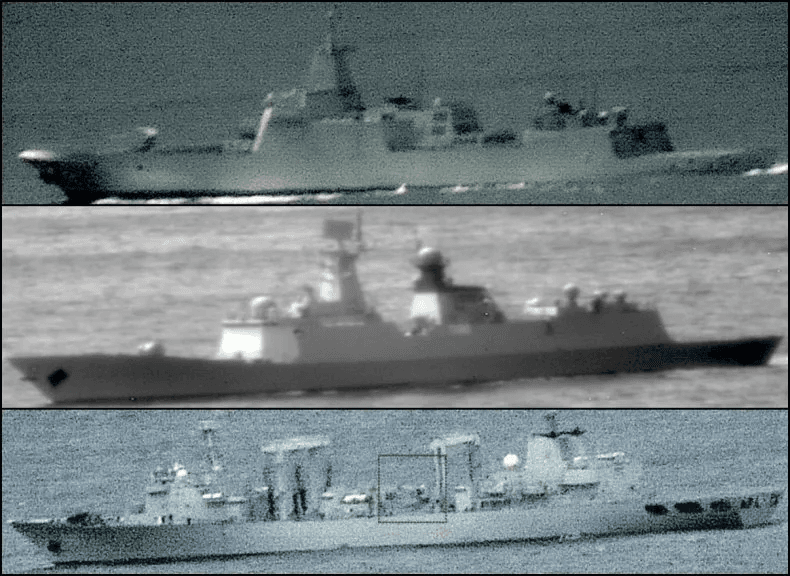
In February, Beijing sent a naval flotilla into the Tasman Sea and around Australia’s coast. Whilst anchored between New Zealand and Australia, the ships engaged in an unnotified live fire exercise.
Luxon said his country wanted closer military cooperation with Australia, which he described as New Zealand’s “only ally.”
“A big focus for us has been interoperability with Australia. We want to be a force multiplier,” he said. “We want to be one ... essential ANZAC force essentially operating within our region.”
Albanese and Luxon said in a joint statement that both countries face the most unpredictable and dangerous strategic environment in decades, and the alliance plays a critical role in protecting and advancing shared interests in the region.
While the statement did not mention China, the prime ministers confirmed it was discussed.
“Of course, the geostrategic competition, in particular between the great powers, is something that countries like Australia and New Zealand do discuss together and we cooperate politically,” Albanese said.
Luxon said both countries have “followed pretty much the same playbook” in their dealings with Beijing.
Gaza
Luxon said the two countries shared “a deep concern” over the situation.Hours before the prime ministers spoke, the foreign ministers of both countries, along with those of Germany, Italy, and the UK, condemned Israel’s decision to launch a new large-scale operation in the enclave, warning it risked breaching international law and would worsen the already “catastrophic” humanitarian crisis, endanger hostages, and risk mass civilian displacement.
The statement called for an immediate and permanent ceasefire and reaffirmed the signatory countries’ backing for a negotiated two-state solution, with Hamas excluded from any role in governing Gaza.
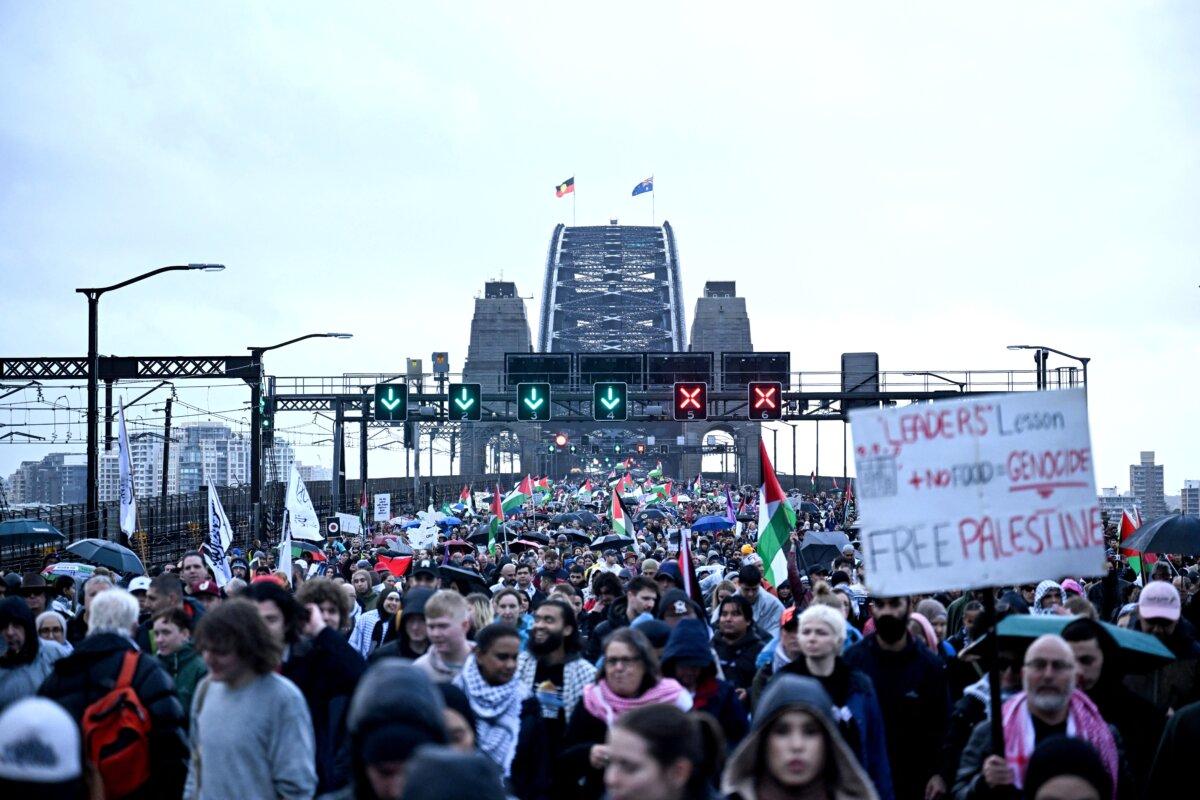
“[Australians] want to see a ceasefire,” Albanese said. “They want to see the killing stop. They want to see hostages released. They want to see peace in the region. ”They don’t want conflict brought to Australia either.”
501 Deportees
The issue of “501s”—New Zealanders deported from Australia after they were deemed to have failed the character test for a visa, despite often having lived there for most of their lives—has long been one of the few points of friction between the two neighbours.In 2022, Albanese promised a more compassionate approach, but domestic political pressure forced the government to reinstate stricter deportation policies two years later.
In response to a question from media, Albanese saidthat Luxon had once again raised the matter with him, “[as] I'd expect him to.”
“But as Australia’s prime minister, you'd expect me to say that the issue of Australia’s national interest is what we put first in all of our relations,” he said.
Military Spending and Cooperation
The prime ministers commended progress made over the past year in increasing defence cooperation and integration.Luxon said the two sides would pursue joint procurement “to ensure our purchases are as cost-effective as possible.”
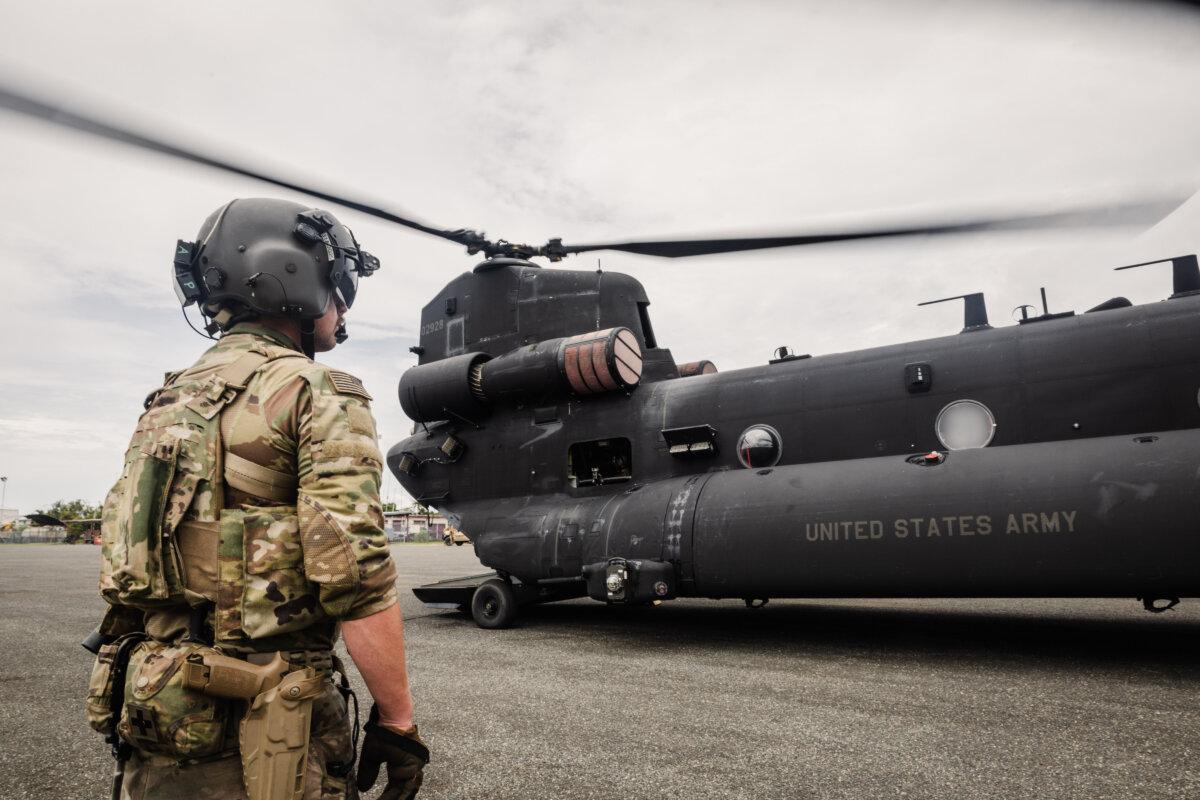
Courtesy of the Australian Department of Defence
He said the relationship between the two militaries was already “deploying more together, training more together, and exercising more together” and that New Zealand’s commitment to increase defence spending to 2 percent of GDP over eight years would ensure interoperability with Australia.
Albanese said the two nations’ defence cooperation had “never been stronger.”
Growth
Both leaders also discussed ways to facilitate easier business transactions across the Tasman.They announced a new partnership between their national standards bodies, which they stated would further simplify trade and support economic growth on both sides of the Tasman.
Two-way trade is worth $32 billion, and ministers on both sides have been meeting regularly to strengthen ties.