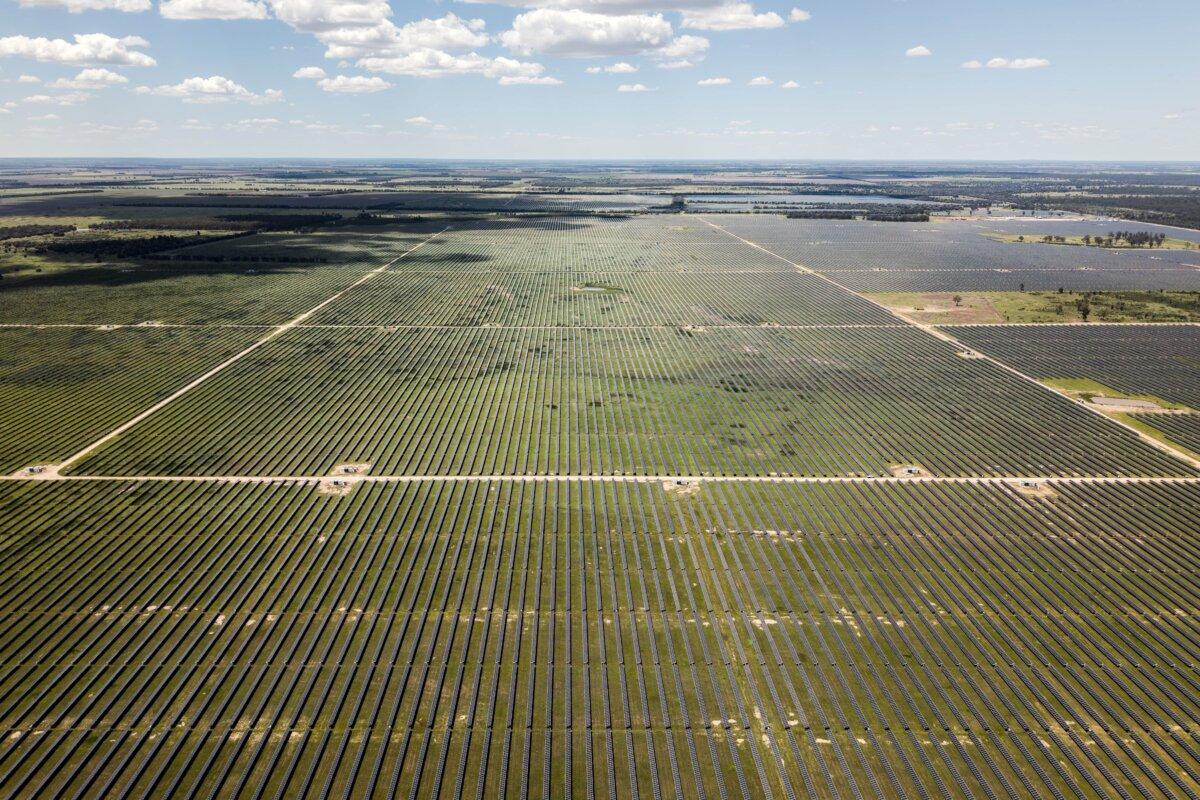
New legislation passed by the state parliament on June 25 will require all large-scale wind and solar farms to be impact assessable, making public consultation now mandatory.
When a project is impact assessable, local communities have a chance to object based on their concerns, whereas a project that is only code assessable would only need to satisfy government guidelines.
The project had received 550 submissions, with the majority in favour of reviewing the plan.
The state also plans to introduce social impact assessments for new renewable energy proposals.

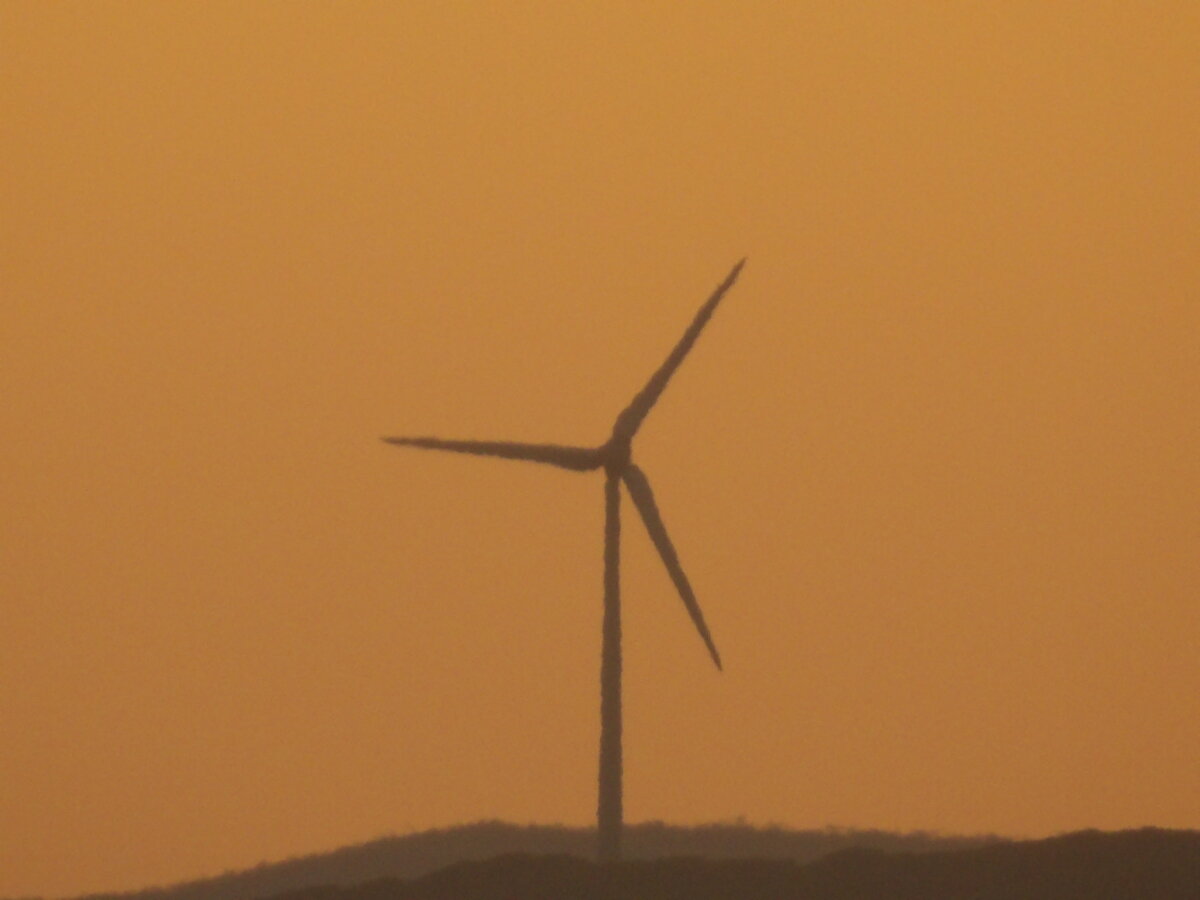 Wind turbines are seen in Albany, Western Australia, on May 26, 2024. (Susan Mortimer/The Epoch Times)
“For too long, Queenslanders have seen projects rushed through approvals without community consultation, inconsistent planning rules and unclear benefits,” Bleijie said in a statement.
“If you want to build a wind farm or large-scale solar farm in Queensland, you now need to build trust and deliver benefits for the communities you’re entering.”
Renewable Targets Downgraded
Budget papers have also revealed the LNP has officially scrapped Labor’s targets of reaching 50 percent renewables by 2030, 70 percent by 2032, and 80 percent by 2035.In what it terms a “discontinued measure,” Queensland’s government will no longer track how much renewable energy is being added to the grid.
At present, around 65 percent of Queensland’s power is generated by coal. Renewables, mainly from solar, make up roughly 25 percent.
The LNP allocated $1.6 billion in this week’s budget to support the state’s coal-fired power stations, but has also provided funding for some renewables projects.
This week’s state budget—the first LNP budget in more than a decade—allocated $79 million to help facilitate the development of pumped-hydro projects at Mt Rawdon and Cressbrook.
Another $355 million will go towards a pumped-hydro facility at Borumba.
“We promised to fund smaller, more manageable pumped hydro projects, and we are delivering on that promise,” Queensland Treasurer David Janetzki said.
Mixed Reactions
While the state’s shift away from a rigid dedication to renewables has been criticised by some, others say it does not go far enough.University of Queensland economist John Quiggin said he believed the party’s stance was based on little more than stakeholder input.
“Essentially, you’ve got a lot of people who are just hostile to the whole idea for purely cultural reasons,” he told AAP.
Critics like Queensland Conservation Council director Dave Copeman have accused the government of unwise spending and of shutting down investment into renewables.
But Katter’s Australian Party claims the LNP is still treading too lightly.
He claims costs from renewables infrastructure are being passed back to households in the form of higher power bills, despite a glut of solar power, and ultimately contributing to Queensland’s financial burden, forecast to reach $2 billion by the 2028-29 financial year.
His motion was opposed by several MPs, including Greens Member for Maiwar Michael Berkman, who was cautioned several times by the speaker for his language during debate.