The newly released Queensland state budget does not address one big elephant in the room, according to Katter’s Australian Party (KAP).
KAP Leader Robbie Katter joined his fellow party members outside the state’s parliament to announce his party’s intention to try and end Queensland’s net zero ambitions.
The private member’s motion will be put forward later in the day.
Katter said his own annual power bill had doubled from $4,000 a few years ago, to $8,000.
“It’s got to be paid somewhere, and we’re paying it through our power bill,” he said on June 25, while standing alongside Nick Dametto, the member for Hinchinbrook, and Shane Knuth, the member for Hill.
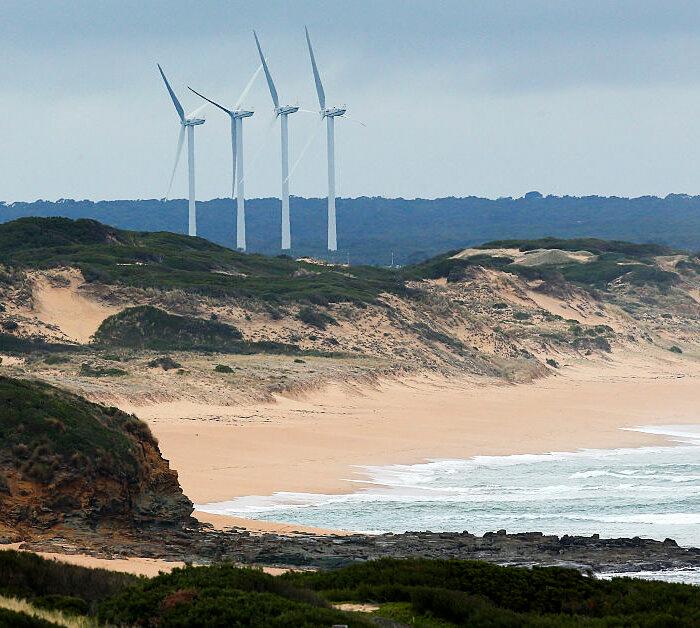
“There is this aggressive pursuit of net zero from federal government, from this government and from previous governments, and the decision has to be made if we’ve got a $200 billion debt there now and that’s the big driver.
“That’s a pretty big number.”
Katter also criticised Australia’s pattern of sending coal and gas offshore, while constraining industries and household budgets at home.
“No one wants to talk about this stuff, it’s not sexy, it’s not popular in the southern media, but someone’s got to call it out,” he said.
“We’re still exporting that coal to other countries to burn, but we’re not taking full advantage of it in our own state to pass on those savings to Queenslanders.
Queensland LNP Edges Away from Net Zero Goals
Queensland had an ambitious plan to reach net zero by 2050, although the Liberal National Party (LNP) government has shown signs of moving away from the target.‘Too Much’ Solar: Dametto
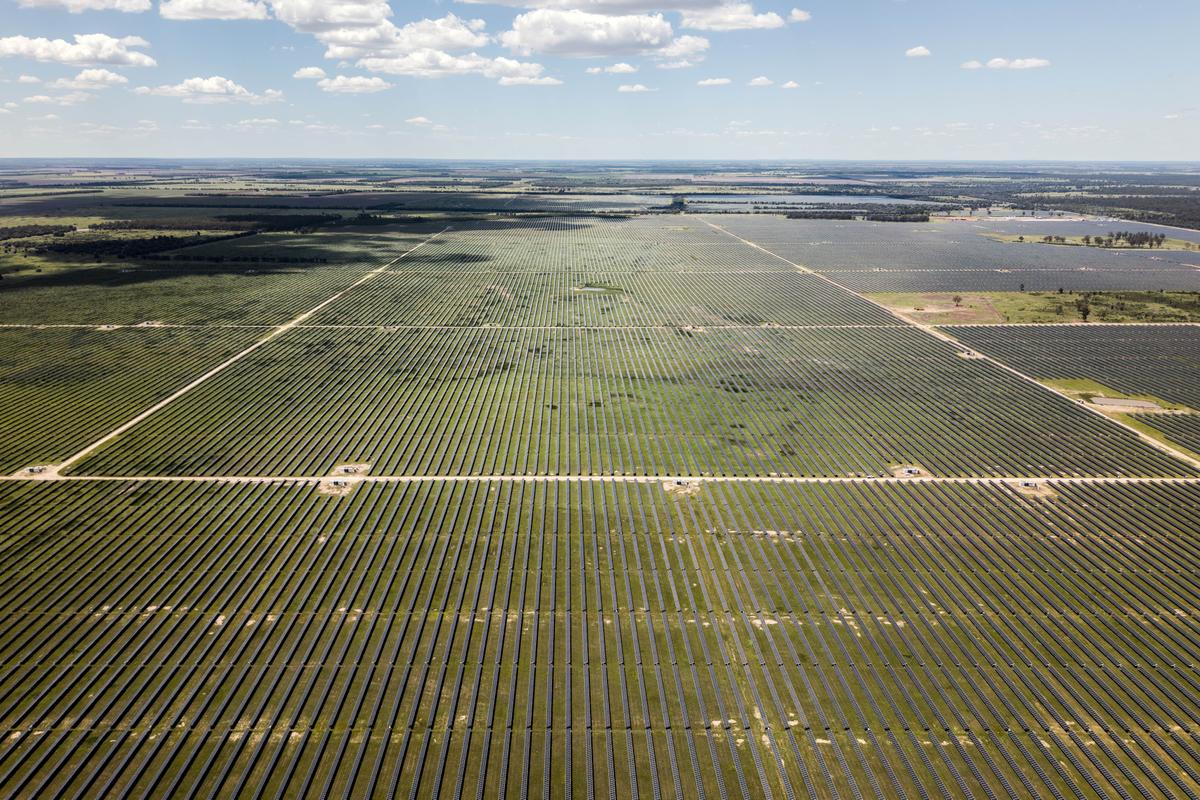
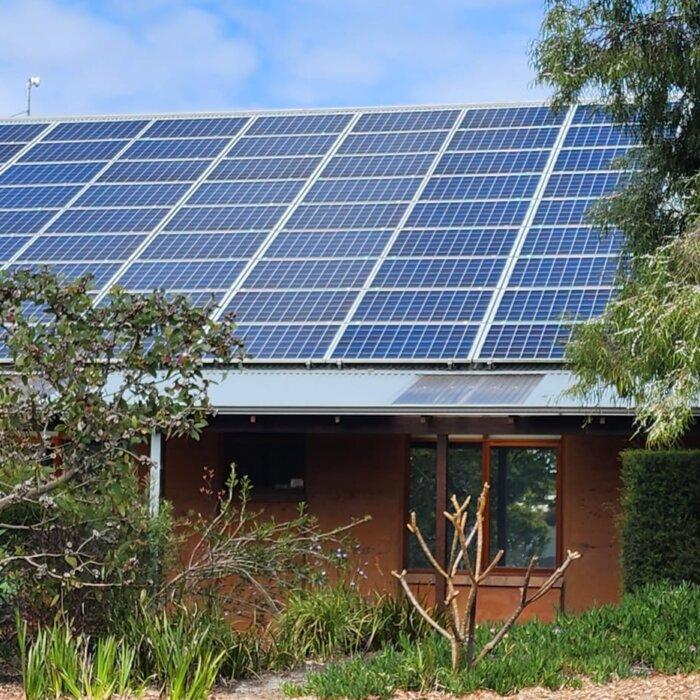
Meanwhile, Dametto claimed the sunshine-rich Queensland was generating far more solar than it could handle.“We have a situation in Queensland where there is too much solar generating during the day,” he said.
“They’re installing in Townsville, right now, what is essentially an electric motor, which is chewing up electricity during the day when those solar exporters cannot get rid of their electricity because there is no one using it.
“So right now you’ve hit absolute capacity with solar here in Queensland, there is no need for any more solar.”
Instead, Dametto claims Queensland residents are paying higher prices for electricity during peak times when renewables are not generating enough power.
The Epoch Times contacted the LNP for comment.