State Treasurer David Janetzki has delivered the first Liberal National Party (LNP) budget since 2014 with a focus on public service and safety, along with the 2032 Olympics.
But underscoring the budget is a forecast $190.4 billion (US$123 billion) of amassed debt expected by the 2027-28 financial year—a growth of $20 billion on the state’s existing tab.
The figure is less than the $218 billion predicted in the LNP’s mid-financial year review conducted earlier in the year, but more than predicted by the former Labor government who promised a return to surplus by 2027-28.
“They left us a serious challenge,” Treasurer David Janetzki said.
“Project overruns everywhere. Poorly scoped, badly managed and significantly underfunded—CopperString, Pioneer-Burdekin, Borumba, Cross River Rail, the Health Capacity Expansion program.
“The list was long.”
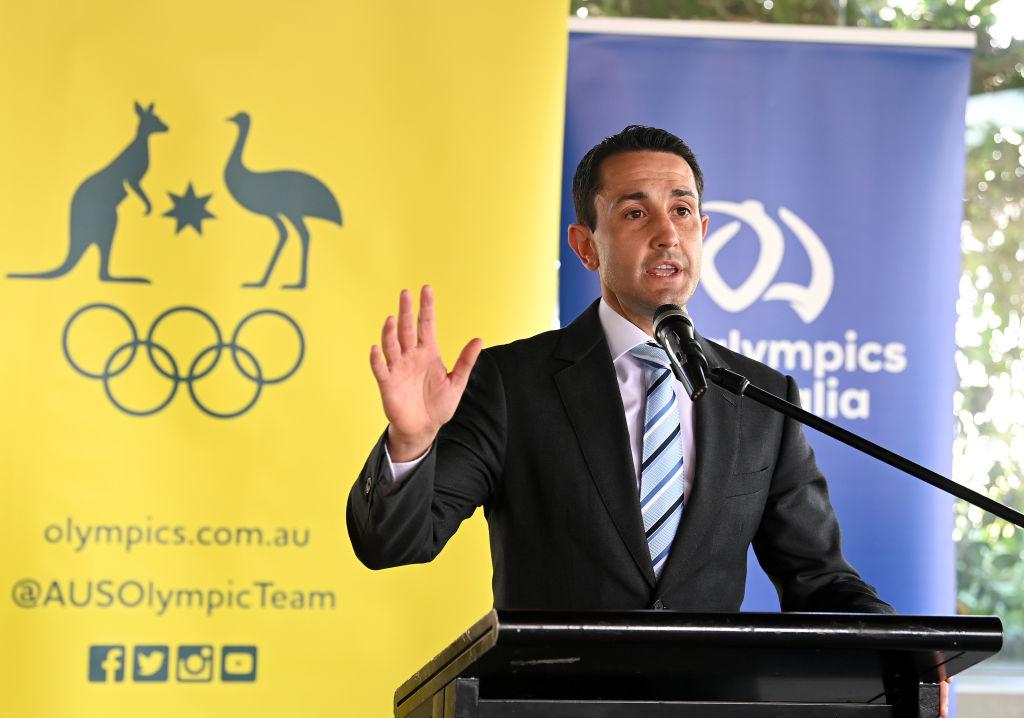
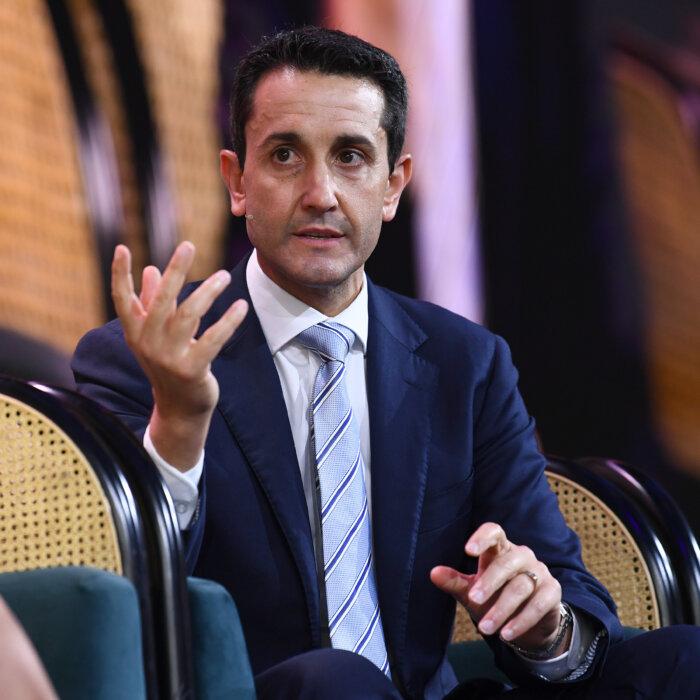
Janetzki said many projects had been announced but unfunded-something he says would have pushed the state’s debt to $217.8 billion in 2027-28 without what he claims were mitigating efforts by the LNP.
Shadow treasury spokeswoman Shannon Fentiman commented on the budget, focusing on the state’s support for a shared equity home-buying scheme, but criticising a perceived lack of widespread availability.
Budget Takeaways
Housing
The Crisafulli government pledged a range of initiatives aimed at building 1 million new homes by 2044.The funding will include a $2 billion fund for improving enabling infrastructure to allow more homes to be built.
Social and community housing will benefit from $5.6 billion.
Police
Queensland Police will have newer Tasers, more tyre deflation devices and body cameras with a $147.9 million spend on police services.A total of 6,546 Taser 10s will come with a $47.7 million price tag, while replacing body cameras will cost $41.5 million.
Half a Billion Towards Dealing With Youth Crime
Youth crime will be targeted with a $560 million package to fund early intervention and rehabilitation centres, while $50 million will go towards a new victim advocacy service.Over six years, the state will spend $2.38 billion on increasing prison capacity, while $31.8 million will go towards improved security and management of dangerous sex offenders.
Manufacturing and Resources
The $595.2 million Natural Resources and Mines, Manufacturing, and Regional and Rural Development budget will seek to bolster home-grown manufacturing.
The Queensland Train Manufacturing Program will be thrown a $4.8 billion lifeline and $5.1 million has been set aside for mineral exploration.
Business and Digital
The Small Business Support Network, which provides coaching and guidance to businesses in need will be extended with a $16.8 million boost, while $1 billion will be set aside for the Queensland Government Digital Fund.Olympics
The Olympics will receive a $4.7 billion booster from the budget, which includes funding for key infrastructure such as the 63,000-seat Victoria Park stadium as well as regional facilities to help host the games.Budget Does Not Go Far Enough: Think Tank
The free market think tank, the Institute of Public Affairs (IPA) said Queensland could become the “Victoria of the north” if it did not rein in spending.IPA Chief Economist Adam Creighton said more could have been done.
“Treasurer Janetzki has the unenviable task of repairing Queensland’s state budget given the worse than expected fiscal position the Crisafulli government inherited,” he said in a statement.
“Unfortunately, this budget does not adequately begin this process of budget repair.
“Given the shocking increase in debt, a further credit rating downgrade, to AA from AA+, appears almost inevitable.”
IPA said the lives of Queenslanders did not improve on several metrics.
“For all the debt and deficit spending under the premiership of Palaszczuk and Miles, the lived experience of Queenslanders did not improve,” Creighton said.
“Over the past decade violent crime in Queensland increased by 45 percent, frontline police numbers fell, and in health, emergency patients seen on time declined by 16 percent.”
Creighton was also sceptical of measures within the budget to address housing, saying 2 percent house deposits would only serve to further drive up property prices.