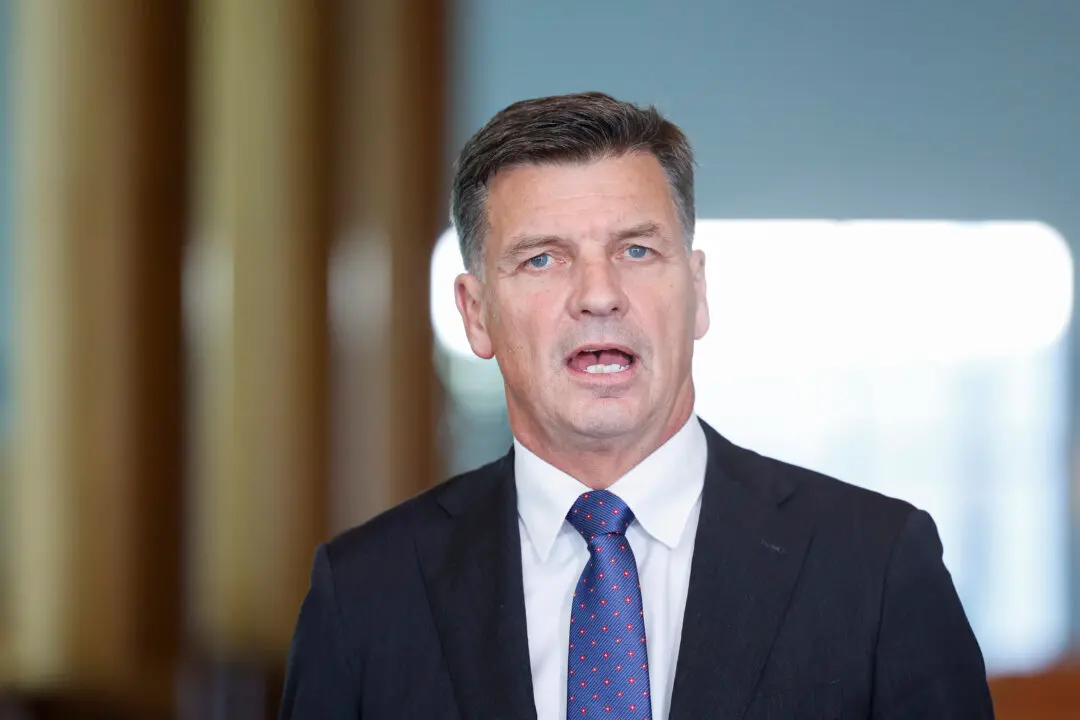
The Queensland LNP government has passed the Energy Roadmap Amendment Act 2025, repealing renewable energy targets and enabling a “more realistic and market-driven approach” to the sector.
Several renewables targets, along with the obligation to report on them, have now been shelved—including legally binding milestone targets such as 70 percent by 2032 and 80 percent by 2035.
Regional Energy Zones-purpose built renewables and storage zones-will be replaced with Renewable Energy Hubs that aims to facilitate more flexibility in operations and encourage private-sector investment.
The Forest Wind Farm Development Act 2020, which allowed developers to access state land, has also been repealed.
Operation lifespans for coal-fired power will also operate to “technical life” and “as needed,” with a $1.6 billion (US$1.07 billion) maintenance package to support coal-fired power.
Coal-fired power stations will no longer be required to close by 2035.

Under the new law, the Energy Industry Council, Queensland Energy System Advisory Board, and Queensland Renewable Energy Jobs Advocate organisations have been dissolved.
Greens Critical of Act
The legislation change has, however, stirred the ire of the left-wing Greens.The party issued a statement calling for the bill to be renamed the “Propping Up Coal and Delaying Renewables Amendment Act 2025.”
Energy Supply ‘Critical’
In April, after the announcement of the bill was made, the Queensland Resources Council praised the state’s move.“It’s critical that Queensland homes and businesses have access to affordable and reliable electricity through the energy transition and the decision to extend the use of coal-fired power and to support gas generation is necessary to achieve that,” CEO Janette Hewson said.
“Whether it’s coal, gas, metals or critical minerals, all the resources found in Queensland are essential for our future energy needs.
“Queensland’s coal and gas are needed to guarantee the reliable baseload electricity supply households and industry need, and replacement capacity must be available for any successful energy transition.”