The concept of using quantum batteries in day-to-day applications has moved a step closer to reality.
A quantum battery would charge almost instantly and hold far more energy than any of today’s options, such as lithium-ion, alkaline, and lead-acid batteries, which operate based on electrochemical reactions that involve the motion of ions between two electrodes.
Most people become familiar with the concept at school, where they might use a lemon or even a potato to generate enough power to make a small bulb glow, though the energy itself comes from the chemical reaction between zinc and copper.
Quantum batteries, on the other hand, are a more difficult concept to grasp, as they propose harnessing the potential of quantum mechanics.
Even the simplest of explanations—that extremely small objects can simultaneously have the characteristics of both particles (tiny pieces of matter) and waves (a disturbance or variation that transfers energy)—are complex enough to baffle many people.
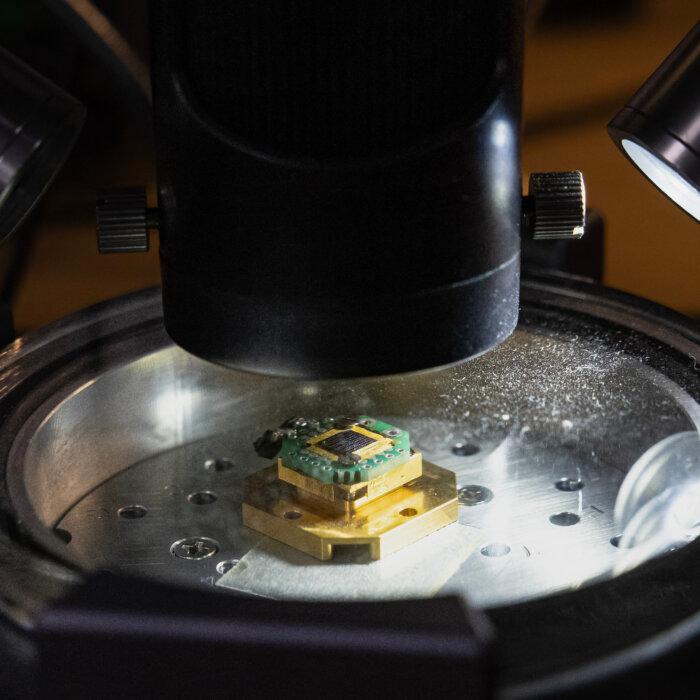
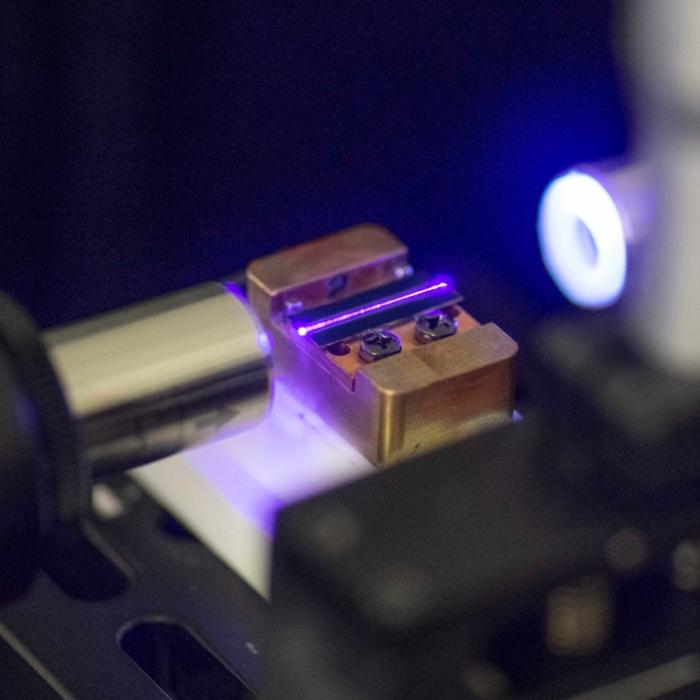
The researchers’ explanation is no more revealing.
“Quantum batteries use quantum superposition and interactions between electrons and light to achieve faster charging times and potentially enhanced storage capacity,” they say.
Still, current experimentation is referred to as the “second quantum revolution.”
Making Sense of Quantum Batteries
The process of actually building a quantum battery begins with the creation of a special type of crystal lattice structure that is designed to manipulate the behaviour of atoms and particles at the quantum level.This lattice is then used to store energy, which is released when it’s needed.
If successfully developed, the quantum battery technology offers immense potential in multiple fields, such as providing more efficient storage for renewable energy, powering next-generation computer systems (including quantum computers), and giving medical implants and sensors a far longer working lifespan.
Electric vehicles, for instance, would no longer have practical distance limitations provided charging points were available—recharging would be almost instant.
They’re also safer than traditional batteries, with considerably reduced risks of explosion or leakage.
They offer the potential for other nations to reduce their reliance on China, which currently produces around 71 percent of the world’s lithium-ion batteries.
Being able to store more energy with faster recharge times is growing in importance. According to the International Energy Agency, each human uses more than 80 gigajoules of energy a year, equivalent to leaving a washing machine continuously running for one year for every person on Earth.
Development Impact
The result of the latest RMIT/CSIRO study has been to significantly extend the life of a quantum battery, achieving a thousandfold improvement on previous technology.However, it’s still a long way from enabling people to discard AAA, AA, and other batteries—the improvement in energy storage has shifted from nanoseconds to microseconds, and the researchers note that “developing quantum batteries in the lab remains challenging.”
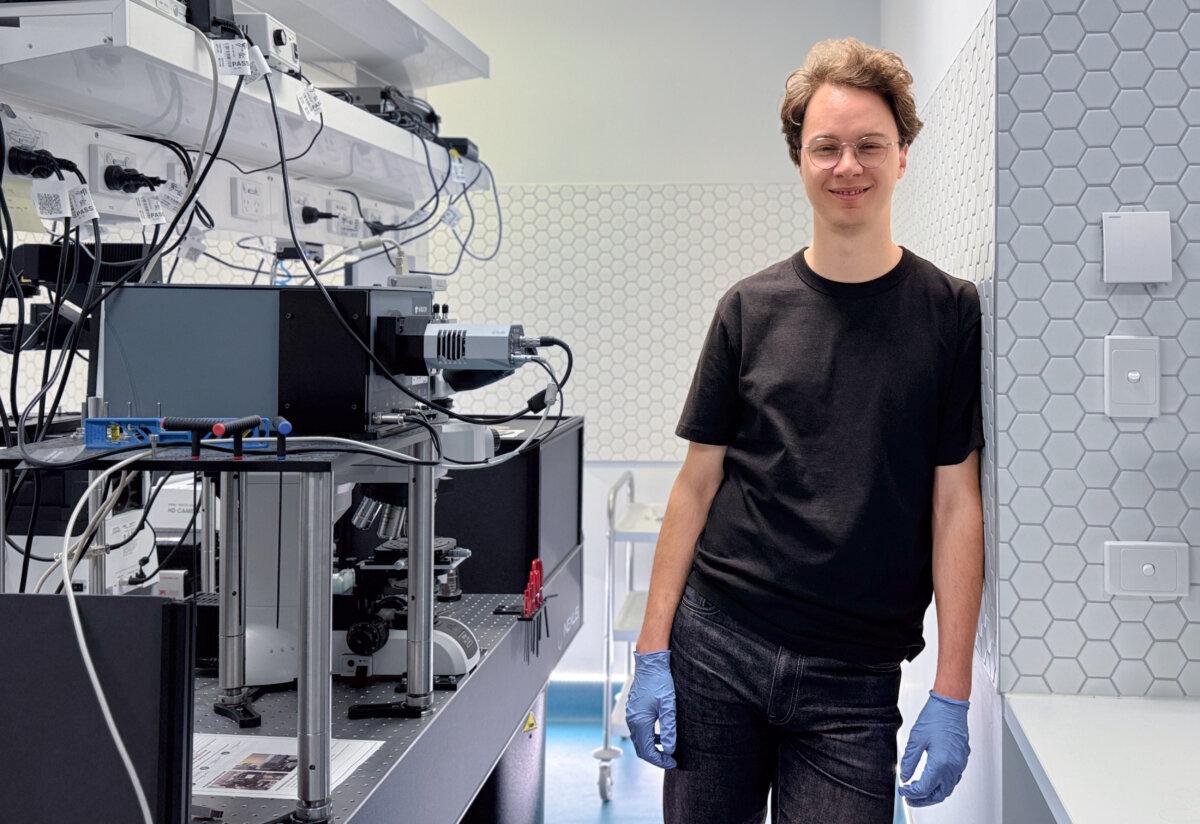
But study co-author and RMIT Ph.D. candidate Daniel Tibben said they were inching closer to a working quantum battery.
“While we’ve addressed a tiny ingredient of the overall piece, our device is already much better at storing energy than its predecessor,” he pointed out.
Previous devices demonstrated impressive charging speeds but struggled with rapid discharge rates, losing stored energy almost as quickly as they charged.
The team says while this might not sound like a long time, the breakthrough proves the concept and builds a strong foundation for future research.
Study co-author and RMIT chemical physicist Professor Daniel Gómez said the researchers have engaged industry partners to collaborate on designing the next iteration of prototypes.