MOOSE JAW, Sask.—Opposition to AI data centres is growing across Western Canada as more projects are proposed, with residents of a southern Saskatchewan community now working to block a proposed venue in their backyard.
Residents of Moose Jaw, Sask., have been mobilizing to oppose a proposed $485 million “AI Health Town,” a 60-hectare (150-acre) multi-building development featuring four AI data centres with a combined capacity of 150 megawatts, as well as greenhouses and health and wellness facilities.
Two petitions are circulating, with organizers aiming to convince city council to reject the proposal. Meanwhile, city administration is working to acquire more information from the developer to address outstanding issues.
Pushback in Moose Jaw
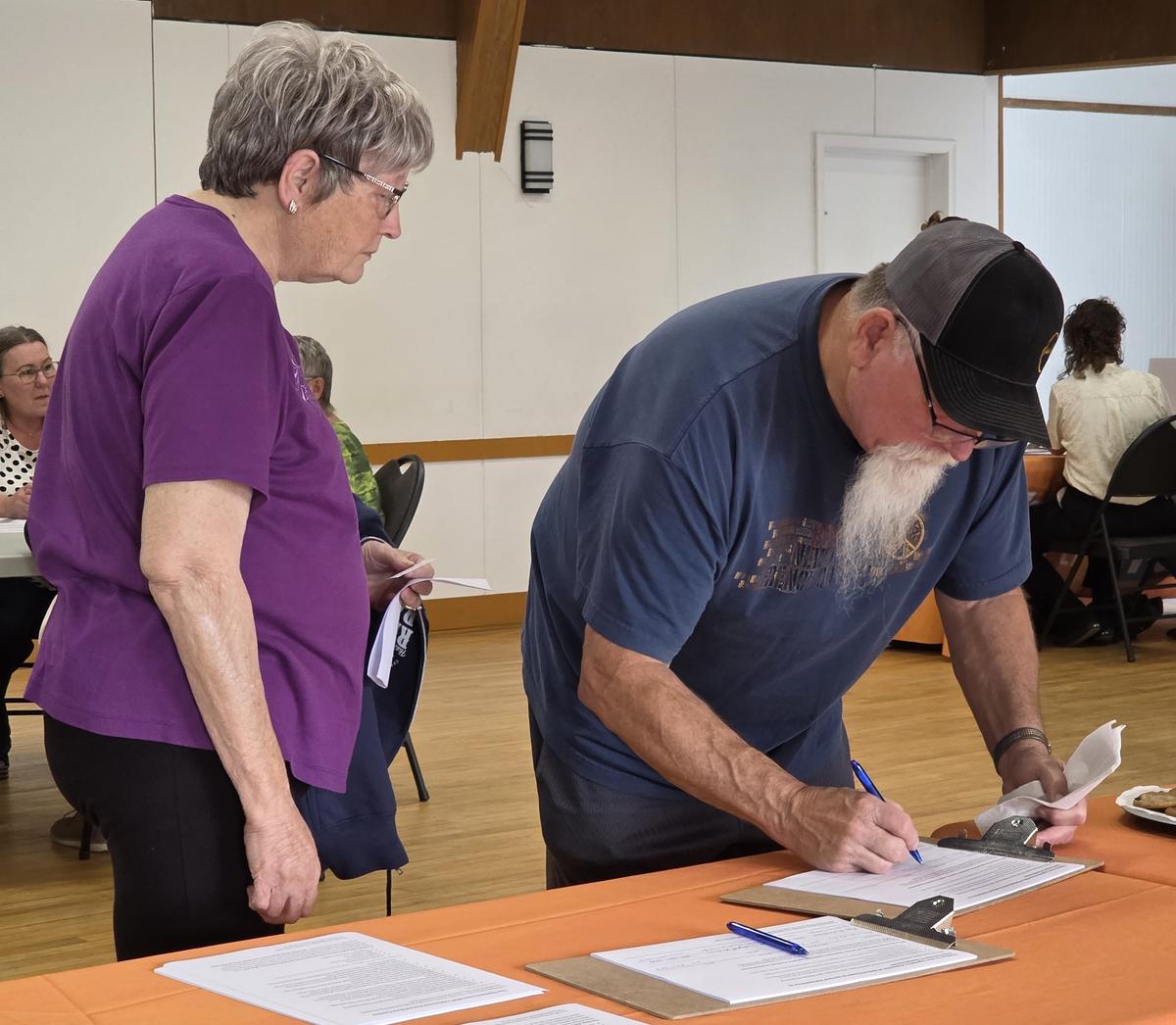
Several dozen people attended an Aug. 11 open house in Moose Jaw organized by the NDP Opposition to hear residents’ concerns and discuss its efforts to push for greater transparency and public consultation on AI data centre projects.Moose Jaw resident Levi Vatamaniuk says the project requires greater transparency and careful consideration of both its short- and long-term effects.

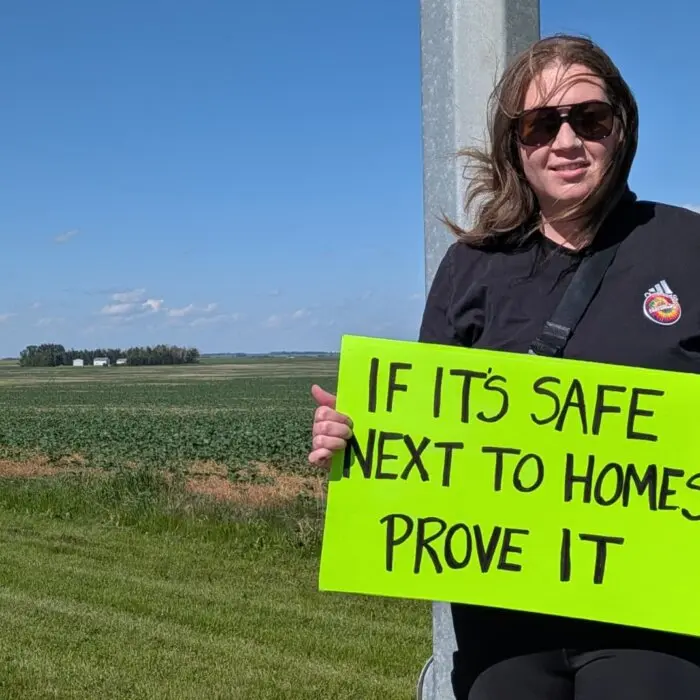

“I think this is a time that we should be thinking a step or two ahead and not just thinking one step ahead,” he said, noting that he has signed both petitions and he wants to see more public accountability.
Vatamaniuk said that, much like the internet, artificial intelligence is not going away, so residents should be asking whether the project can be developed responsibly and whether the proposed location is appropriate. He said residents should also consider how AI will shape society, what jobs it will displace, and whether such technology will create a “utopia or a dystopia.”
He noted that the proposed site is located in Wakamow Valley, which is home to hundreds of plant and animal species and lies alongside the Moose Jaw River. More than 200,000 indigenous artifacts have also been uncovered in the area.
Vatamaniuk said that while the data centre would generate tax revenue and create temporary and long-term jobs, he believed the developer, Aztec AI Health Ltd., should construct the project elsewhere.
The Epoch Times reached out to Aztec for comment but didn’t hear back by publication time. Aztec is a Canadian-based AI data centre and infrastructure developer headquartered in Vancouver.
Environmental Concerns
Kimberley Epp is a member of the Facebook group, “Say No to Moose Jaw A.I. Data Centre.” The group has led a petition that has garnered roughly 1,300 signatures, but needs at least 3,200 before it can be presented to city council.
“We don’t want it here. And this [petition] might be the only way to stop it,” Epp said. “It doesn’t make sense having it anywhere near green spaces, near a protected area. And it would affect the whole city.”
Epp describes herself as a naturalist who moved to the community to enjoy its green spaces. She said she doesn’t want to see Wakamow Valley, which spans more than 200 hectares, or its wildlife adversely affected.
City council approved the developer’s initial concept plan in January 2023, envisioning a residential neighbourhood centred around a “market square” and other amenities—with no data centres. In June 2026, Aztec presented an amended plan that removed the market square and instead focused on AI data centres, greenhouses and indoor agriculture, and health and wellness facilities.
Resident Catherine Reichel said she is concerned that AI data centres consume “mega amounts of power and water,” harm the environment, produce noise pollution, and could negatively affect children and increase anxiety. She also questioned its potential job creation.
“There will not be a lot of people employed in this. So, if they use that as an argument, it’s rubbish,” she told The Epoch Times, adding that the project’s proximity could also lower property values in the city.
Reichel expressed frustration about the lack of publicly available information on the project. She also questioned how much influence the municipality had to stop the project, and where the provincial government stands on this issue.
The Epoch Times contacted the Ministry of Crown Investments Corporation about the project but did not hear back by publication time.
The provincial government has not yet publicly commented on the proposed Moose Jaw AI data centre. In previous public statements it has said data centres must comply with all applicable municipal, provincial, and federal legislation and obtain all required permits and approvals under The Environmental Management and Protection Act, 2010.
Meanwhile, more data centres are being proposed in Alberta, which has attracted projects due to its available energy and streamlined regulatory environment.
Smith argued that Alberta’s “bring your own power” model will protect electricity reliability and affordability by requiring data-centre operators to provide their own power and pay for related infrastructure, while also saying the projects can create jobs, attract investment and generate revenue for the province.
Smith also emphasized Alberta’s available land and energy resources as advantages for attracting data-centre investment, and argues that the province can accommodate the industry while managing its impacts responsibly.