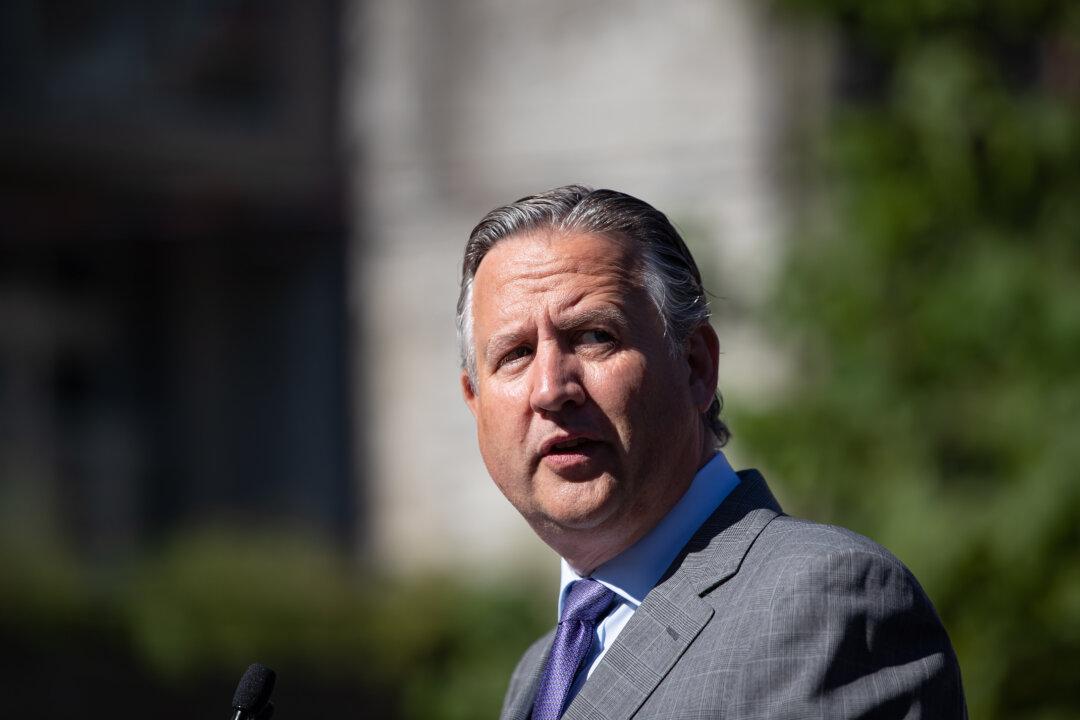
Alberta Premier Danielle Smith said she is expecting the proposal for a pipeline linking Alberta to B.C. to arrive in the coming weeks and is optimistic it will be at the top of Canada’s nation-building agenda.
The House of Commons recently passed Bill C-5, which would fast-track the regulatory process on major infrastructure projects in the national interest. The bill is expected to go before the Senate for approval this week.
The Liberals’ Bill C-5, the One Canadian Economy Act, received Conservative support but faced opposition from the Bloc Québécois, New Democrats, and Green Party. The bill passed the House of Commons on June 20.
Several indigenous groups, including the Chiefs of Ontario and the Assembly of First Nations, say that fast-tracking regulatory approval won’t allow them to be sufficiently consulted. Carney said he will start meeting with indigenous groups this summer to hear their concerns. Conservative MP and House Leader Andrew Scheer said it is not clear what would be done in the event of indigenous opposition to a major project.
Smith said there have been ongoing discussions with major energy companies but did not give details on which firms she expects to make a proposal. According to Smith, ideally the private-sector pipeline would not rely on government funds, unlike the Trans Mountain Pipeline, which ended up being bought by the federal government and expanded at a cost of over $30 billion. The pipeline also faced significant opposition from environmentalist and indigenous groups.

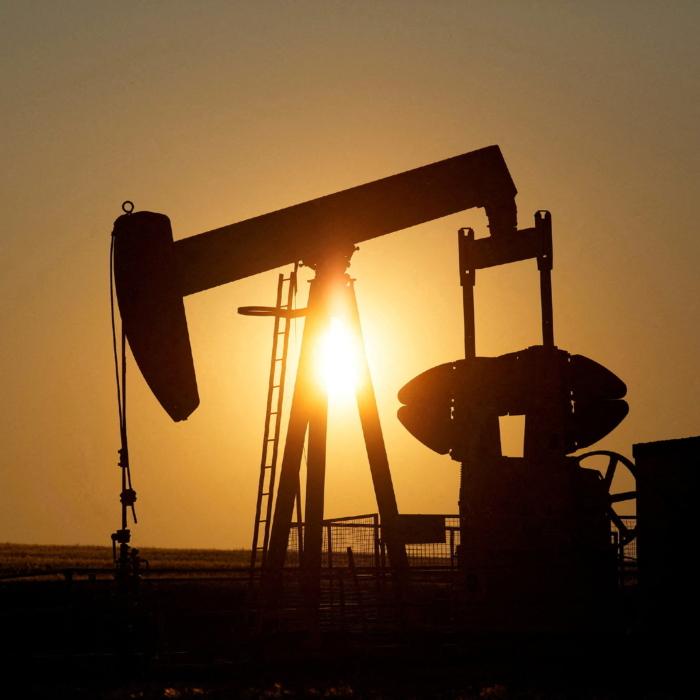
As a result, the federal government faced a number of legal challenges, established the Indigenous Advisory and Monitoring Committee as a place to receive indigenous input, and has engaged in talks with indigenous advocacy groups to sell them a stake in the pipeline.
In terms of bringing Alberta oil to market on the east coast, Smith says a viable option for an east-west pipeline could run through the Port of Churchill, Man., on Hudson Bay to Prince Rupert in northern B.C. Manitoba Premier Wab Kinew seemed open to the idea.
Smith has also agreed to pair any future pipeline with carbon capture and storage projects to offset carbon emissions.
Carney has said he will support building a cross-country pipeline if there is a national consensus. However, vocal cabinet minister Stephen Guilbeault has been a strong opponent of any new pipeline, and Intergovernmental Affairs Minister Dominic LeBlanc also downplayed the importance of a new pipeline. Current Minister of Energy and Natural Resources Tim Hodgson, by contrast, has expressed support for pipelines and Canada’s energy sector, touting his past experience serving on the board of Calgary oilsands producer MEG Energy.
Oil remains Canada’s most valuable export, and the stakes are particularly high for Alberta where oil and gas are the engine of the provincial economy.