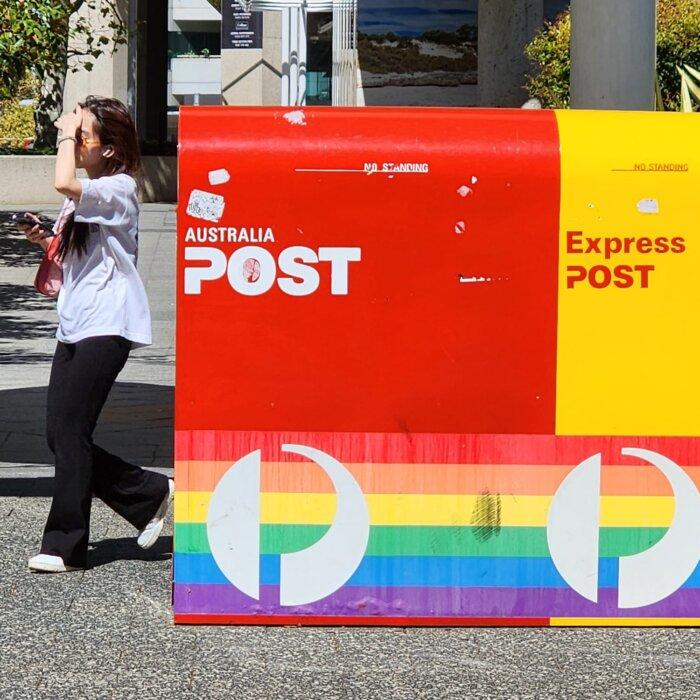
Australia Post is one step closer to increasing the cost of posting a letter by 13.3 percent.
The price increase will take place on July 17 unless Communications Minister Anika Wells steps in and rejects the changes within 30 days of receipt.
In the absence of ministerial intervention, the price to post a small letter will go up from $1.50 to $1.70. Large letters up to 125g will rise from $3 to $3.40, while those between 125g and 250g will increase from $4.50 to $5.10.
The cost of concession stamps and Christmas greeting cards will remain unchanged.
Australian Competition and Consumer Commission (ACCC) did not object to the proposed prices, with Commissioner Anna Brakey saying they understood it meant extra costs for consumers.

The ACCC found that Australia Post was unlikely to recover revenue exceeding costs for reserved postal services, even in light of the price hikes.
It made recommendations to address multiple other concerns that stakeholders had expressed.
“We are especially mindful of the impact price changes can have on vulnerable Australians, and so our decision paper recommends that Australia Post increases the number of concession stamps per customer, which is currently capped at 50 per year,” Brakey said.
The ACCC noted the cost of $1.70 for a single postage stamp was below the median price of $1.93 among Organisation for Economic Co-operation and Development (OECD) countries.
“While Australia Post has been working constructively with the ACCC on these recommendations, in most instances, we expect full implementation to be reached, so that we can conduct rigorous cost-based assessments going forward,” Brakey said.
Australia Post Says Little Impact on Average Household
Australia Post welcomed the news from the ACCC.The postal service said it understood the cost-of-living challenges faced by Australians, which is why concession and seasonal greeting stamp prices will stay the same.
“The [rate] increase will help Australia Post address the rising cost of delivering letters, with letter volumes now at a level not seen since the 1950s,” it said.
Further, Australians would still have “some of the lowest stamp prices among OECD countries.”
“Around 97 percent of letters are sent by government or business customers. Australian households only receive two letters on average each week and letter volumes are expected to halve in the next five years,” Australia Post said.
It said that an average Australian household buys five to six full-rate stamps per year, meaning the price increase would cost them $1.20 more per year.