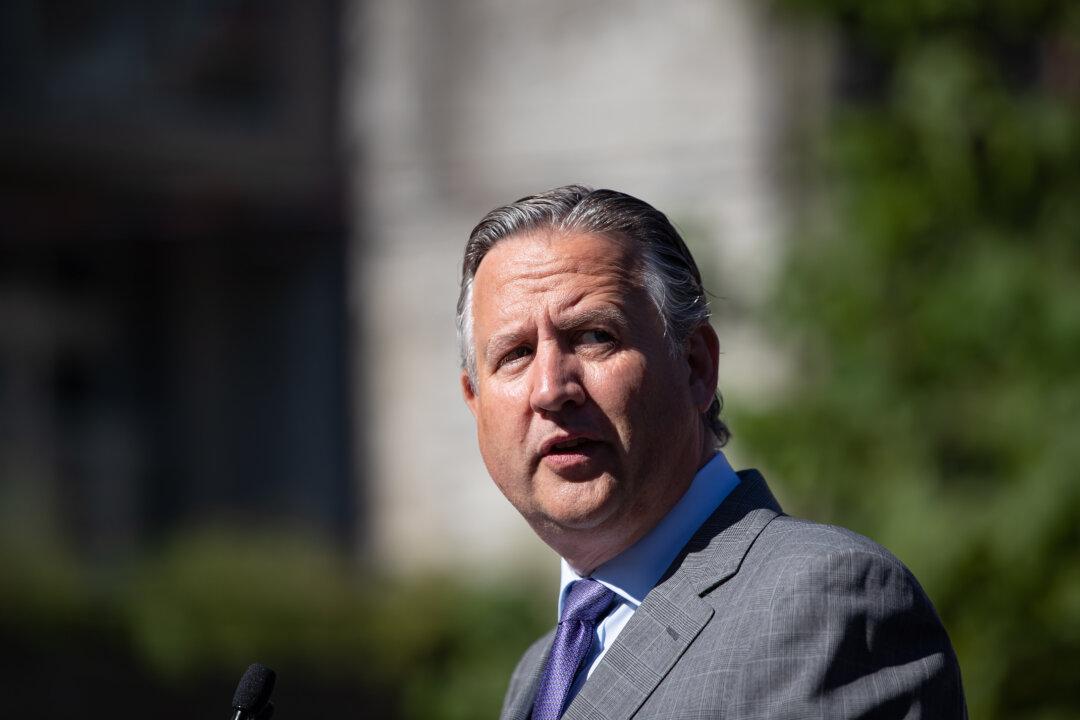
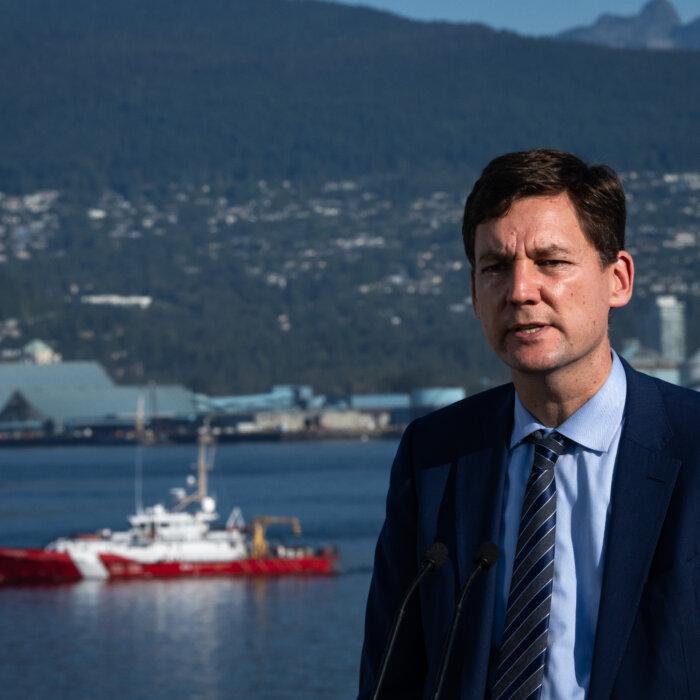
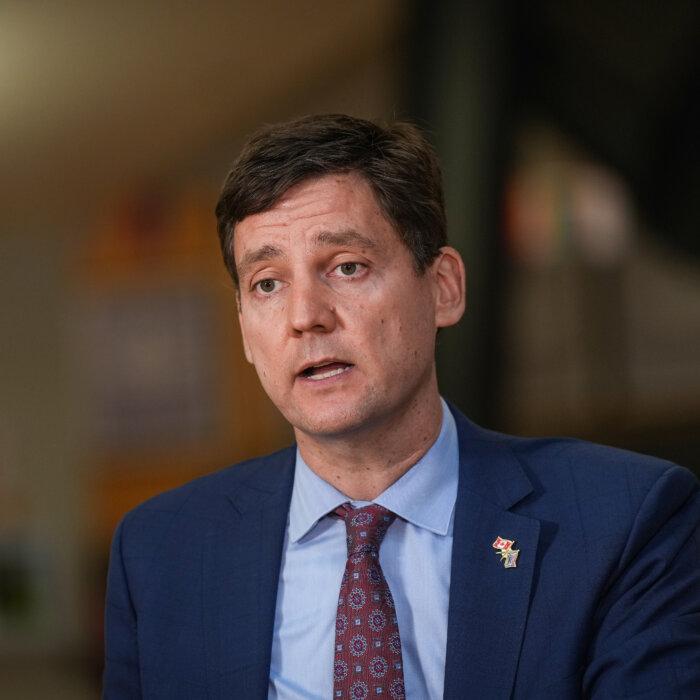
B.C. Premier David Eby says he is concerned that an Alberta–Ottawa energy agreement including the goal of a pipeline to the B.C. coast could become a “distraction” from other projects in his province.
Trilateral Discussion
The Nov. 27 agreement between Ottawa and Alberta promises a “trilateral discussion” with B.C. as well as ensuring any potential pipeline would also benefit B.C. and have indigenous co-ownership.“Canada and Alberta also agree to engage meaningfully with Indigenous Peoples in both Alberta and British Columbia on this project, with the involvement of the B.C. Government for engagement with B.C. First Nations,” the MOU says.
A 2020 decision by the Supreme Court of Canada held that the federal government has legal authority over pipelines that cross provincial boundaries.
Smith said on Nov. 27 that while B.C. will not have the right to block a pipeline, “consultation” will be carried out.
Concerns
Eby said that federal focus on the project could divert attention away from the second phase of construction at the LNG Canada export terminal in Kitimat, B.C., and from $50 billion worth of mining projects that are being enabled through B.C.’s North Coast Transmission Line development.In addition, Eby said he was dismayed that B.C. was not included in negotiations in crafting the MOU and was not given a chance to raise its concerns about measures for responding to a potential oil spill or on refining capacity for the oil.
He said he is concerned about the environmental impacts of a potential oil spill and that lifting the ban would harm goodwill with coastal First Nations, who have agreed to other resource development projects. Several B.C. coastal First Nations have said they are opposed to any potential oil pipeline or oil tankers operating on the coast due to the risk of environmental damage.
Alberta’s Pitch
For her part, Smith was positive about the agreement reached with Ottawa, saying it represents “the first step” to making Canada more prosperous.“I’m very pleased that the prime minister has heard our concerns and responded to them,” Smith said, adding that the agreement will “unleash an incredible amount of investment and allow us to work together on important nation-building projects.”
Carney said that the MOU also represents an important step forward but added that there is more work to be done.
“We have created some of the necessary conditions for this to happen,” Carney said Nov. 27 at a press conference with Smith announcing the MOU, adding that “there is a lot more work to do.”
Legal Options and Fallout
The legal options for B.C. are limited, seeing that the Supreme Court of Canada upheld a ruling by a lower court in 2020 that B.C. had no legal right to restrict oil shipments through the province during disputes over the since-completed Trans Mountain Pipeline Expansion (TMX). Eby acknowledged this Nov. 27, saying the province knows it already lost in court but added that his government’s opposition to the proposed pipeline is on the basis of its lack of First Nations support and what he said is a lack of a business case.“We don’t have to threaten legal action,“ Eby said. ”We lost in court [on TMX]. It’s very clear, we understand that if the federal government wished, they could impose this pipeline on us. That’s not what this is about. What this is about is the fact that this project has no company that’s advancing it, it’s got no money, it’s got no coastal First Nation support.”
If Alberta delivers a proposal for a pipeline to the MPO by July 1 of next year and it is approved and has a private proponent, Carney said construction will only move forward if the project respects B.C. and indigenous interests.
When asked about reports that Guilbeault was unhappy with the agreement earlier that day, before his resignation, Carney said that as prime minister, his responsibility is to protect the country’s interests.
“I’m the prime minister, one has to take decisions in the interests of Alberta, of Canada, and we need to have results, real reduction in greenhouse gas emissions, and this requires investments in Alberta and B.C.,” Carney said in French.