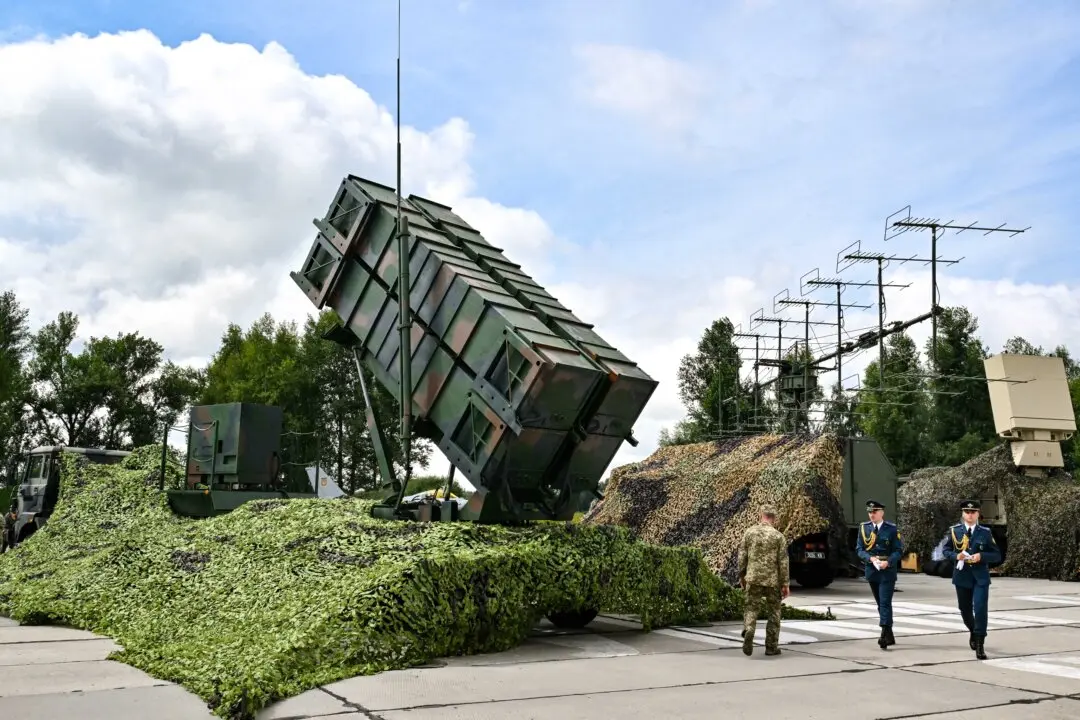
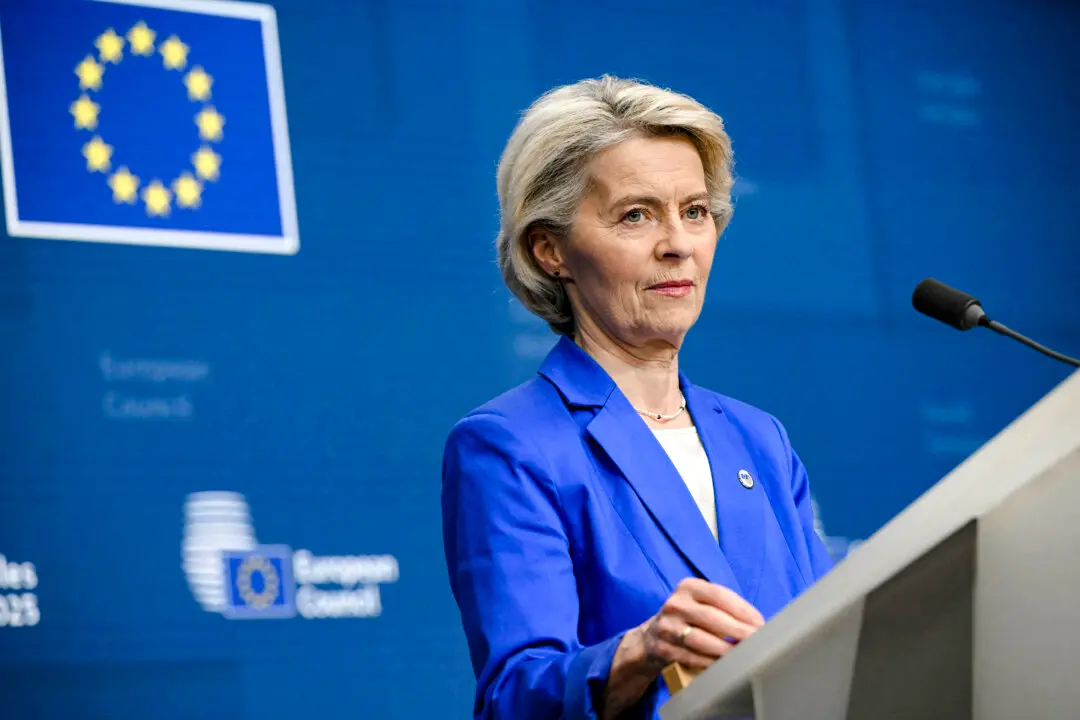
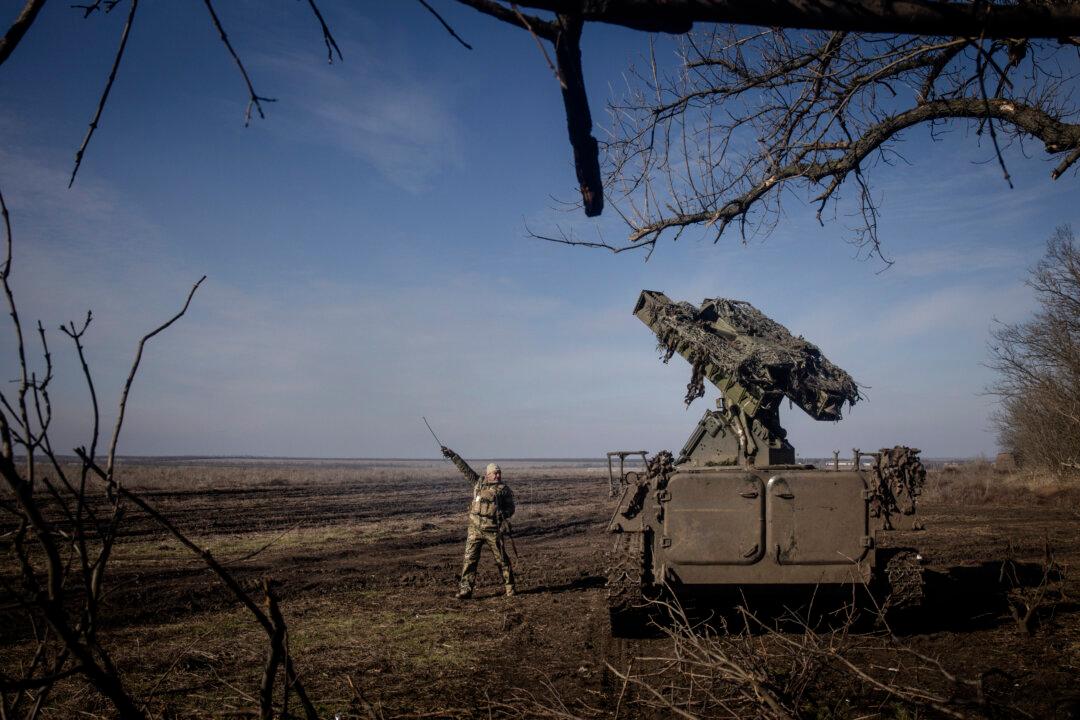
Poland is seeking to charge two Ukrainians accused of working on behalf of Russia with acts of sabotage of a terrorist nature over an explosion that damaged a railway line used to transport aid to Ukraine, prosecutors said on Nov. 19.
“The charges concern the commission of acts of sabotage of a terrorist nature on November 15–16, 2025, on behalf of the intelligence services of the Russian Federation against the Republic of Poland,” prosecutors said.
The suspects are alleged to have damaged railway tracks in Mika in Garwolin County by planting C4 explosive and detonating it on Nov. 15. They are also accused of damaging the traction network in Golab in Pulawy County and planting two specially designed metal elements on the rail, intending to pose a threat to trains.
Prosecutors said that investigators had collated a range of evidence indicating a “high probability” that Oleksandr K. and Yevhenii I. had committed acts of sabotage.
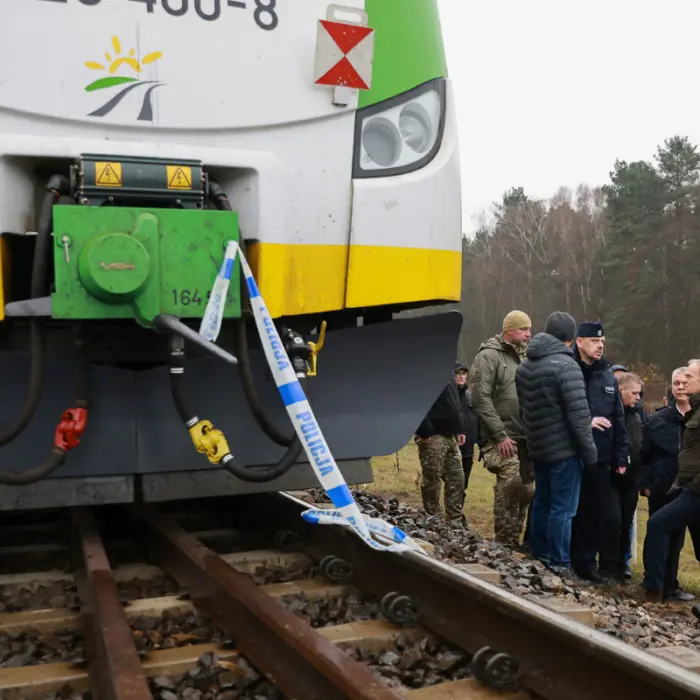
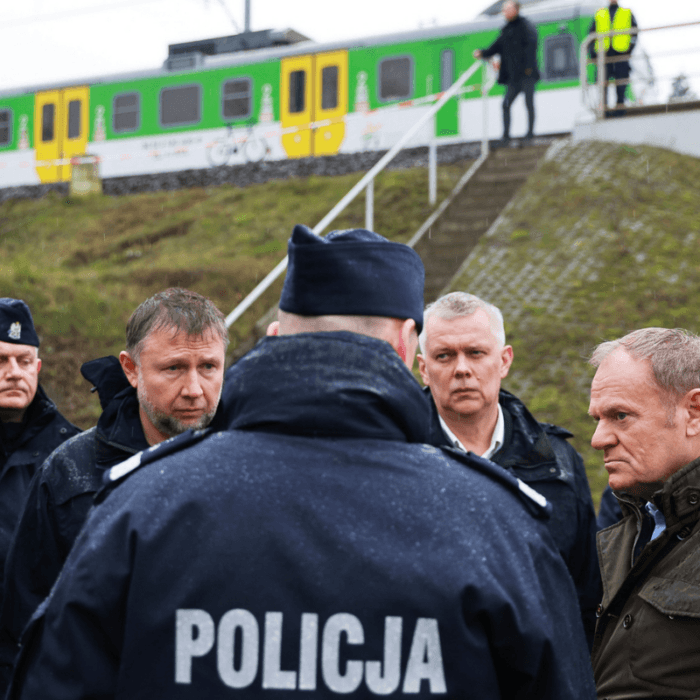
“These actions created an imminent threat of a land transport disaster in the form of train derailments, posing a significant threat to the lives and health of many people and to property,” prosecutors said.
“The perpetrators’ goal was to seriously intimidate many people and influence public opinion, as well as to undermine security, destabilize public order, and increase the sense of insecurity among the public.”
Russia Blamed
While officials were initially reticent to lay blame on any particular group or state for the sabotage, by Nov. 18, Polish Prime Minister Donald Tusk revealed suspicions pointing to the involvement of Ukrainian nationals collaborating with Russian intelligence.In response, the Kremlin said it was not surprised that Poland had accused Russia of involvement in the incident.
“Russia is being accused of all manifestations of the hybrid and direct warfare that is taking place. In Poland, let’s say, everyone is trying to get ahead of the European locomotive in this regard, and Russophobia is, of course, in full bloom there.”
Poland Deploys 10,000 Troops
The Polish government on Nov. 19 announced it would deploy 10,000 troops to defend the country’s critical infrastructure.Dubbed “Operation Horizon,” Polish Defense Minister Wladyslaw Kosiniak-Kamysz said in a press conference that the military, police, and railway security services will work together in what he described as one of the country’s largest operations to secure infrastructure and protect the public.
“Today, many experts say that we are in an era that is neither wartime [nor] peacetime,” Kosiniak-Kamysz said, according to Polish international news network TVP World. “In the era of hybrid threats … we must combine the efforts of all state services.”
Polish Foreign Minister Radek Sikorski announced on Nov. 19 the closure of the last Russian Consulate in response to the sabotage incident.
Sikorski said, “Though it will not be our full response, I have decided to withdraw consent for the operation of the last Russian Consulate in Gdansk.”