Conservative Leader Pierre Poilievre is calling on Prime Minister Mark Carney to sell all the assets held in his blind trust to prevent potential conflicts of interest.
Carney established a blind trust after being sworn in as prime minister in March and the details of how it operates were disclosed on July 11 by the ethics commissioner of Canada.
The disclosure states that Carney and the commissioner reached an agreement on a conflict of interest screen designed to prevent him from making any decisions which might benefit Brookfield Asset Management (BAM) where he was formerly vice chairman, Brookfield Corporation, Stripe where he was on the board of directors, or any company controlled by the parent companies.
The ethics screen also lists Carney’s ownership of shares in more than 560 companies prior to creating a blind trust, including Google parent company Alphabet, Lockheed Martin, Tesla, Philip Morris International, Walmart, and Boeing.
Poilievre said Carney should sell off his assets and transfer them to an independent trustee to guarantee that none of his political choices have an impact on his finances.
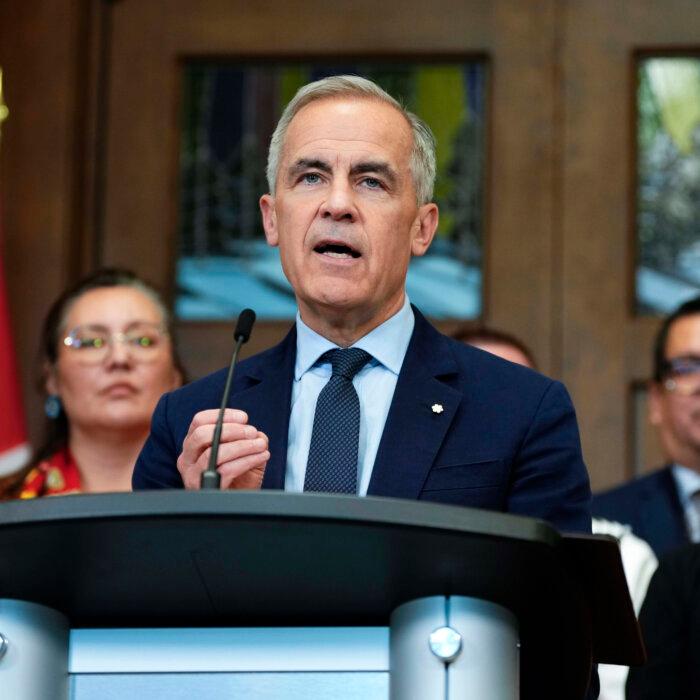
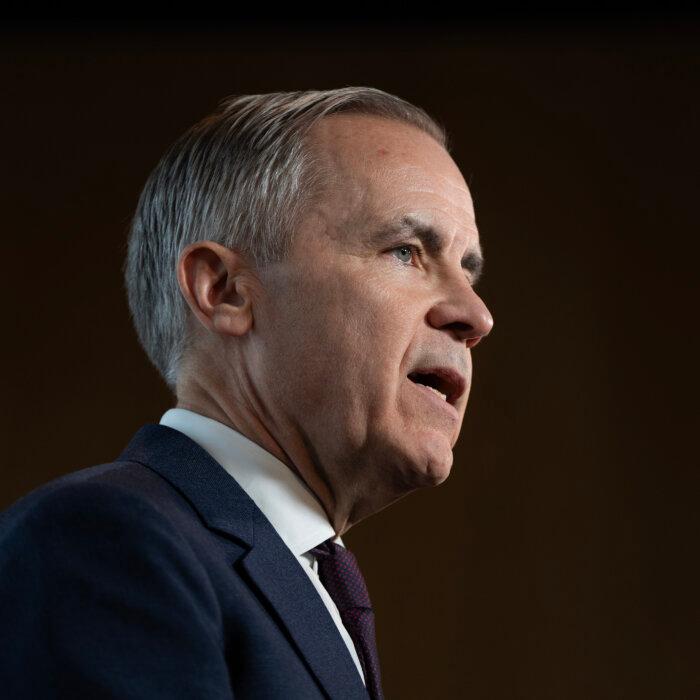
Poilievre said Carney wasn’t being honest during the campaign by stating he was unaware of what was in his blind trust and that he had severed ties with BAM, despite still holding stock options and deferred share units.
Carney has rejected any accusations, saying upon becoming prime minister this past March that he was fully compliant with Canadian law in putting his assets in a blind trust and had no conflict of interest.
“I have left my roles in the private sector at a time of crisis for our country. I’m complying with all the rules,” Carney said.
Carney has said his resignation from his business and United Nations roles prior to seeking office were motivated by being “all in for Canada” and “all in for this leadership.”
The Conservatives want Carney to explain what they say are “contradictions” in his statements to Canadians, according to Poilievre. He added that the party will push for changes to ethics law that would establish these requirements as legal obligations rather than merely as “good practice.”
“We need a prime minister whose only purpose is serving the Canadian people, to reverse the massive damage Liberals have done, to reverse the out of control, immigration, inflation, crime, debt and our spiralling economy,” he added.
Conservatives have demanded Carney release information on all his assets and potential conflicts of interest above and beyond ethics commissioner requirements. They alleged Carney had various conflicts of interest in real estate, green energy, and pension funds.
Poilievre also pointed to a “potential or perceived conflict of interest” by Carney with Canada’s since-rescinded digital services tax, which applies a levy to various U.S. tech companies, including some that Carney holds shares in.
“How can he possibly be involved in developing a budget when all the tax policies could impact on his investments, directly or indirectly?” Poilievre asked. “How could he address things like competition policy when his companies might be impacted?”
“I’m complying with all the rules. Your line of questioning is trying to invent new rules. I’m complying with the rules that the Parliament has laid out,” he said.