Papua New Guinea’s (PNG) budget, presented earlier this week by Treasurer Ian Ling-Stuckey, has raised questions about Australia’s aid.
Australia’s financial assistance will total $707 million (US$458 million) in the current financial year, and support for a PNG NRL franchise will run to another $600 million over 10 years.
Ling-Stuckey told his parliament that “record” spending totalling $11.1 billion would mean a deficit of $545 million and was still “just not enough” to provide sufficient essential services.
Revenue for the coming year is forecast at $10.6 billion. Its budget plans to spend only $97 per person on health—despite an HIV-AIDS epidemic and alarming rates of drug-resistant tuberculosis—and $155 on education.
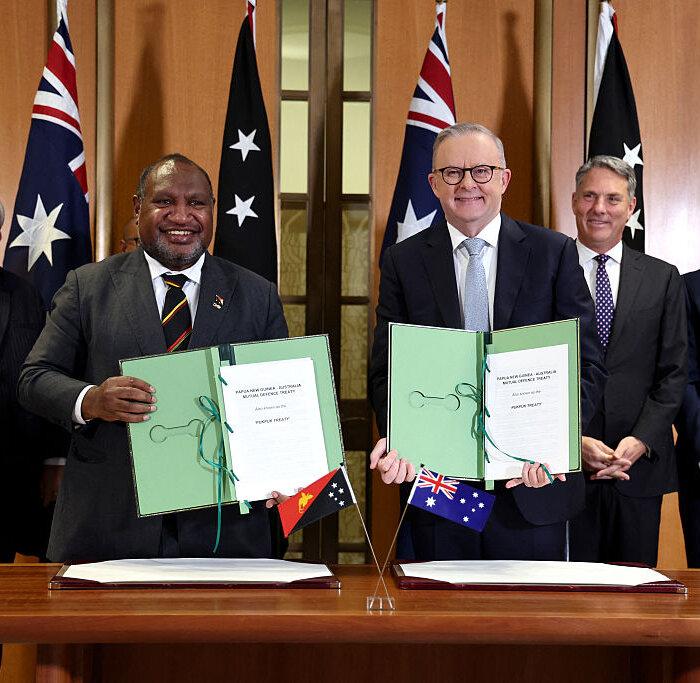
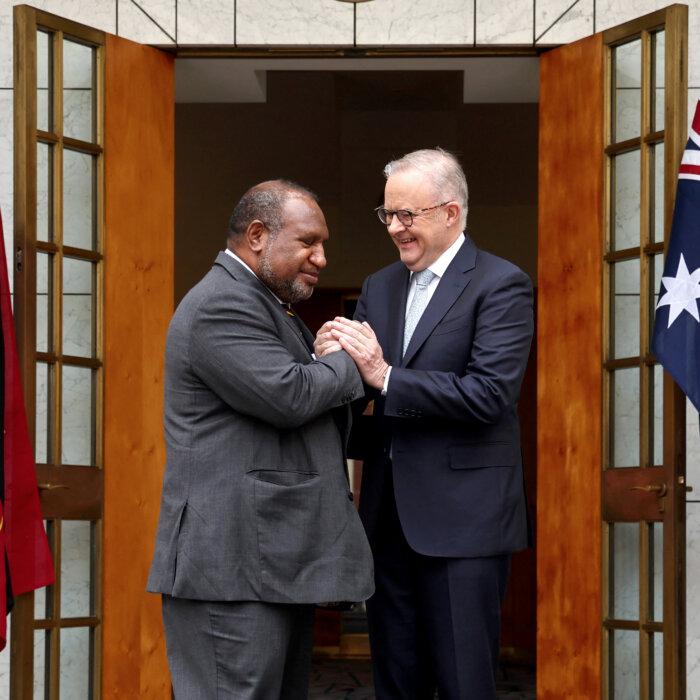
In addition to its foreign aid payments, Australia has provided five “budget support loans” totalling $3.1 billion over the past five years.
But while Ling-Stuckey has nothing in the piggy bank for the basic services, PNG Prime Minister James Marape announced an allocation of $3.18 billion to the country’s Public Investment Program (PIP), which he described as the largest capital investment programme in PNG’s history and part of a deliberate policy push to prioritise national infrastructure under the Connect PNG initiative.
PNG’s spending on the PIP has increased by more than 277 percent over the past eight years, rising from around $880 million in 2018. Marape said the funding will support major upgrades of roads, bridges, wharves, and airports.
“Every new road, every restored bridge, and every reopened economic route is reshaping daily life for our people,” he said.
He added that infrastructure is a major driver of economic transformation, helping reduce business costs, expand rural market access, grow agricultural output, and lift export capacity, describing it as “a legacy-building budget.”
But Deputy Opposition Leader James Nomane said the 2025 budget “assumed buoyant tax and resource revenues, but actual collections fell short due to weaker compliance, underperformance in GST, and delays in resource project flows.”
“The treasurer preens about the Marape government’s fiscal management, but there is a serious credibility gap,” he said.
“This has led to an execution gap in the health and education sectors, which face chronic underfunding despite being prioritised in rhetoric, while politically favoured programmes like Connect PNG continue to receive preferential treatment at the expense of the people of Papua New Guinea.”
He pointed out that debt servicing costs are estimated at 10 to 15 percent of the budget.
“This will crowd out frontline services,” he said. “This is a structural crisis, not a temporary hiccup.”