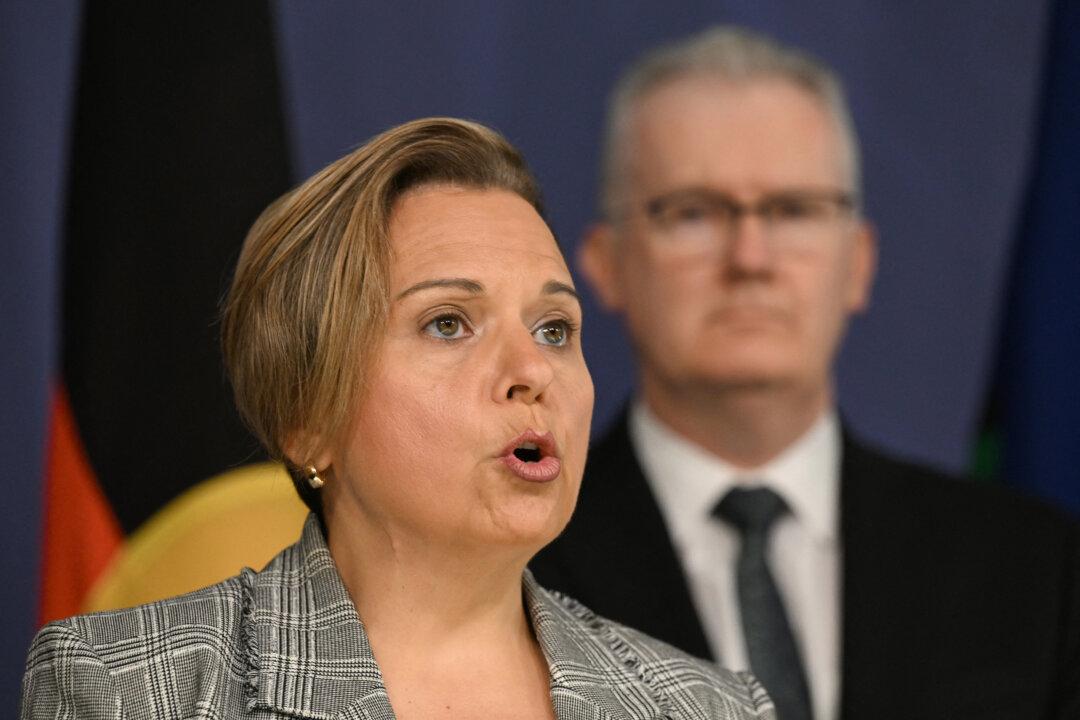
A road-user tax for electric vehicle (EV) drivers is a “sensible” measure to help fund road upkeep as the number of petrol and diesel cars declines, Labor frontbencher Tanya Plibersek says.
Plibersek said while no changes were imminent, states and territories should plan for the long term.
“I don’t think anything’s happening tomorrow, but I do think it’s sensible … for the states and territories to look long term at what they do, to make sure that there’s enough money to build the roads that people want to drive on,” she told Seven’s Sunrise program on Aug. 11.
Shrinking Fuel Revenue a Risk
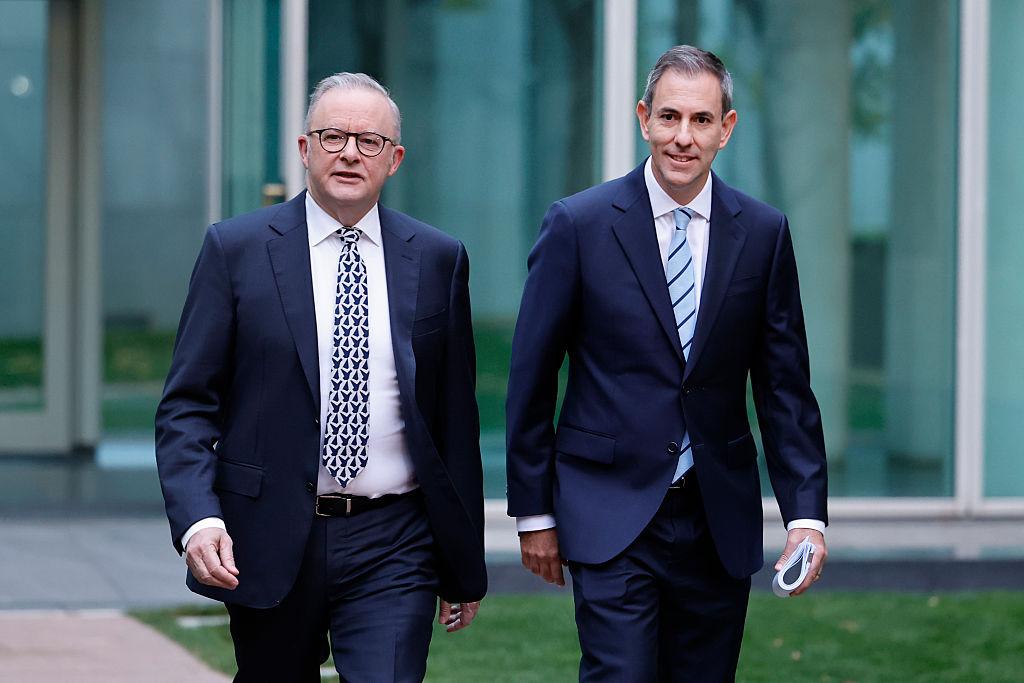
Treasurer Jim Chalmers has previously confirmed he is working with states and territories “on the future of road-user charging” for EVs, describing it as a matter of long-term fiscal planning.Chalmers is scheduled to meet transport industry leaders on Aug. 11 ahead of the government’s productivity roundtable next week, where the issue is likely to be discussed.
The challenge has already tested state policy. Victoria attempted to introduce a two-cent-per-kilometre charge on EVs in 2023, but the High Court struck down the law. New Zealand has adopted a road-user charge for EVs and plans to extend it to petrol vehicles.
Coalition Senator Jane Hume said a broader road tax was necessary to ensure EV owners contributed equally to road upkeep.
“The fuel excise has been a shrinking tax base, and it’s one of the few taxes that’s hypothecated for road maintenance,” she told Sky News Australia.
Joining the debate, National MP Barnaby Joyce suggested Plibersek’s cautious tone was because there were “a lot of EVs in her electorate” and she didn’t want to alienate voters.
He backed the idea of an EV tax, arguing that regional drivers, who overwhelmingly use combustion engines due to “depth and terrain,” were already paying fuel excise that benefits inner-city residents.
Joyce also suggested there was a split between the prime minister and the treasurer on this issue.
“Tanya said, ‘We’re only going to bring in the taxes the prime minister talked about before the election.’ Fine. But that’s not what the treasurer is doing—he’s doing something else. And there’s a bit of a conflict going on there,” he said.
PC Questions EV Subsidies
The debate comes after the Productivity Commission released an interim report on Aug. 5, arguing that existing EV subsidies overlap with the newly implemented New Vehicle Efficiency Standard.It recommends phasing out Fringe Benefits Tax exemptions and other state-based perks for EVs.
“With the national efficiency standard now in place, exemptions and discounts should be wound back,” the report said, adding that funds could be better targeted by removing overlapping support.
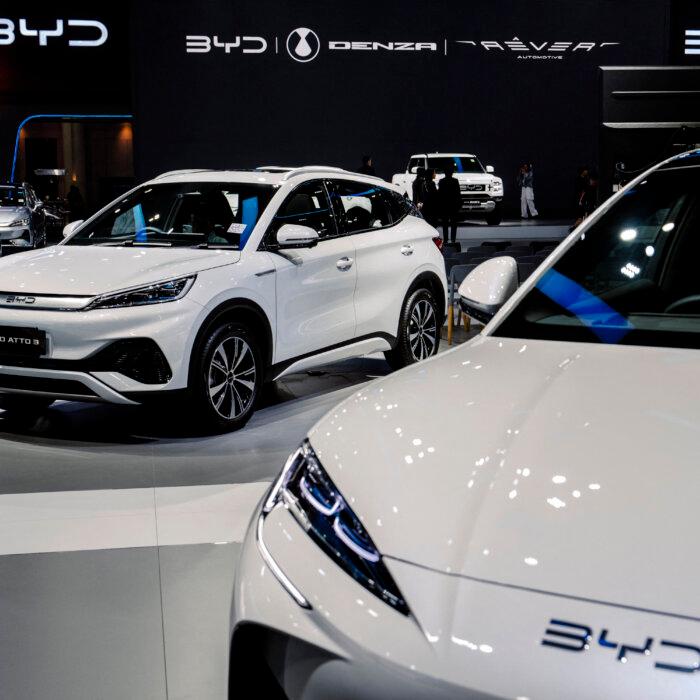
EV sales in Australia have surged since federal and state incentives were introduced in 2022, including stamp duty exemptions and registration discounts.
The number of EV and plug-in hybrid models on the market has also grown by 50 percent.