Philippine President Ferdinand Marcos Jr. on March 24 declared a state of national energy emergency in response to the Middle East conflict’s effects on the country’s energy supply.
“The declaration of a state of national energy emergency will enable the government ... to implement responsive and coordinated measures under existing laws to address the risks posed by disruptions in the global energy supply and the domestic economy,” Marcos said in his executive order.
As a country, the Philippines relies heavily on imported fuel.
According to the Philippine Information Agency, 98 percent of the Philippines’ crude oil importation comes from the Middle East. In addition, 97 percent of liquid petroleum products and 91 percent of liquefied petroleum gas are imported from Asian refineries that are dependent on the Persian Gulf.
The emergency declaration will remain in effect for one year, according to a government statement.
It authorizes the government to procure fuel and petroleum products to ensure timely and sufficient supply and, if necessary, pay part of the contract amount in advance.
“As a net importer of petroleum products, the Philippines remains highly dependent on external sources of fuel supply and is therefore vulnerable to disruptions in global oil production and transportation,” the order reads.
Under the executive order, the Department of Energy is expected to plan for optimization of fuel and energy use, adopt and enforce energy conservation measures, and take action against hoarding, profiteering, and supply manipulation.
Philippine Energy Secretary Sharon Garin on March 24 said at a news briefing that the country had about 45 days of fuel supply based on current consumption levels.
The Philippines is also working to secure waivers and exemptions that will allow it to obtain oil from U.S.-sanctioned countries.
Ambassador of the Philippines to the United States Jose Manuel Romualdez told Reuters, “We are working with the State Department to get waivers or exemptions to purchase oil from U.S.-sanctioned countries.”
When asked whether imports of oil from Venezuela and Iran were part of the discussions, Romualdez said that “all options are being considered.”
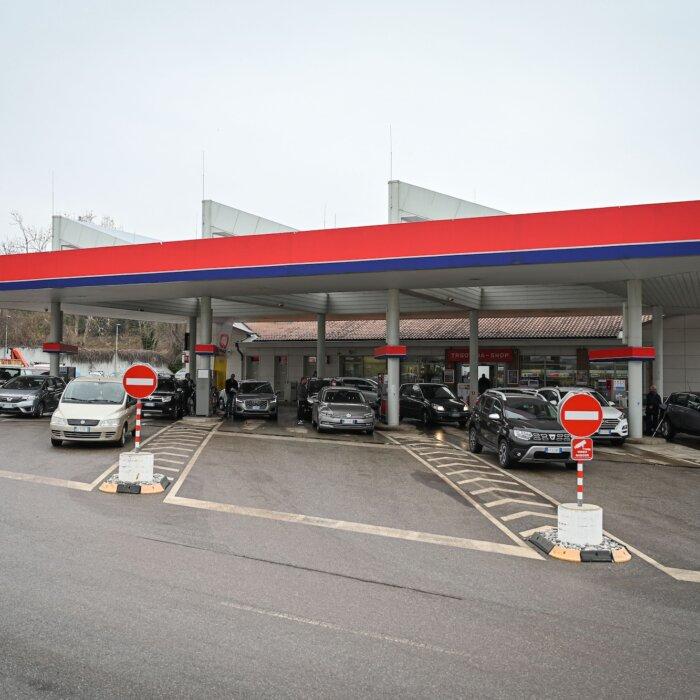
Across Asia, countries including Bangladesh, Pakistan, and South Korea have already introduced measures ranging from capped sales to reduced workweeks and energy-saving drives to manage the strain.
Slovenia and Sri Lanka have introduced fuel rationing.
Sri Lanka began fuel rationing and mandatory QR code distribution for vehicles on March 15, according to the U.S. Embassy in Sri Lanka. Users must obtain a QR code from the government and present the code at the fueling station.
Slovenia deployed the army to help move fuel supplies and became the first European country to ration fuel at the pump amid shortages and surging demand.
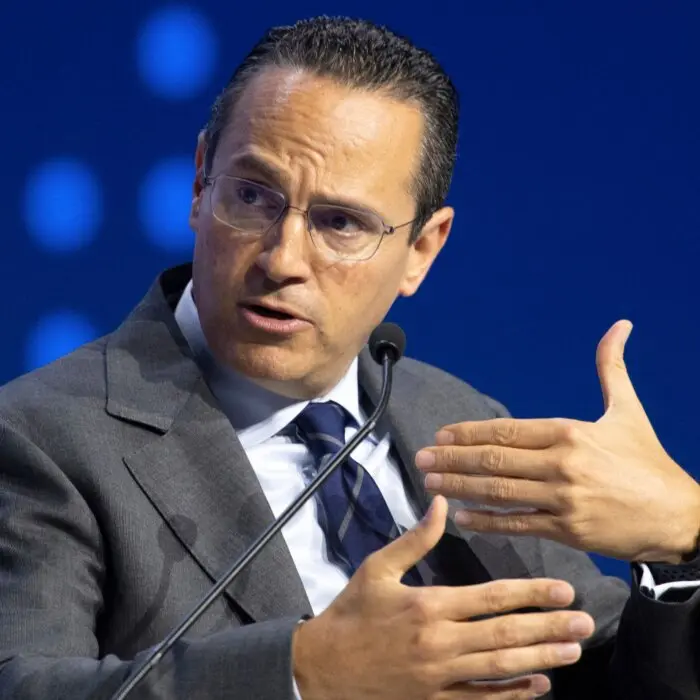
Speaking at CERAWeek by S&P Global, a major energy conference in Houston, Sawan said European governments may need to curb demand to prevent energy shortages, according to the UK newspaper The Telegraph.
“We see South Asia first to get that brunt, that moves to Southeast Asia, Northeast Asia, and then more so into Europe as we get into April,” Sawan said. “So we are trying to work with governments to alert them to the levers they may need to pull—including demand‑side measures, what they need to do around storage, what they need to do around purchasing stock, and so on.”