A Peruvian appeals court has restored the transport regulator’s authority over the Chinese-owned Chancay port, overturning a lower court ruling that had limited state oversight.
The Second Constitutional Chamber of the Lima Superior Court dismissed a constitutional lawsuit, known in Peru as an “amparo”, filed by Cosco Shipping Ports Chancay Perú. The decision reversed a January ruling that had restricted the powers of Peru’s transport infrastructure regulator, Ositran.
According to Ositran, the court found the regulator had acted within its legal authority and that its actions did not violate the company’s constitutional rights.
“The Second Constitutional Chamber of the Lima Superior Court overturned the first-instance ruling that restricted Ositran’s powers over the Chancay Multipurpose Port Terminal and dismissed the constitutional lawsuit filed by Cosco Shipping Ports Chancay Perú S.A.,” the agency said in a statement.
Its authority to regulate, supervise, inspect, and impose sanctions at the port has now been fully restored. The court also ruled that, under Peruvian law, the terminal is public-use transport infrastructure, meaning it remains subject to state oversight despite being privately owned.
In the same statement, the regulator said the court concluded its actions were “a regular exercise of the powers that the law attributes to Ositran” and “did not constitute a certain and imminent threat to fundamental rights.”
The court also found that any disputes over administrative decisions should be resolved through Peru’s ordinary administrative courts, rather than through constitutional proceedings.
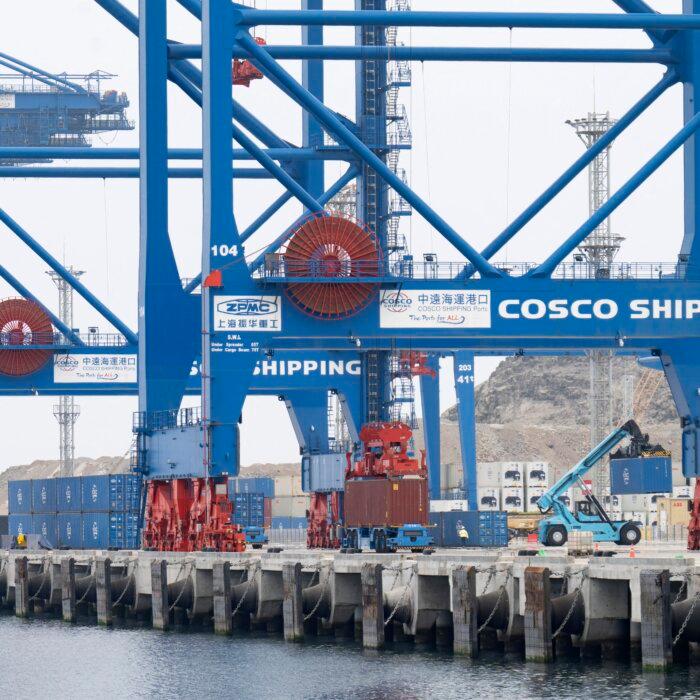
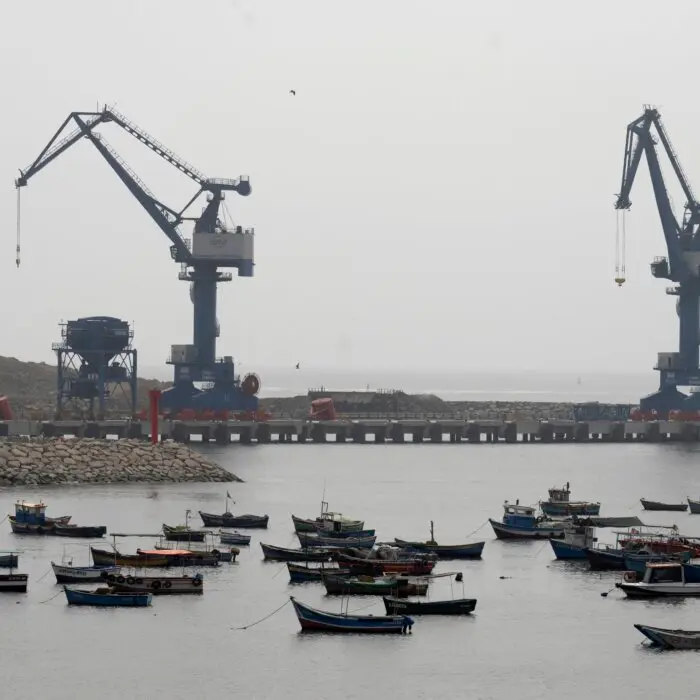
Located about 50 miles (80 kilometers) north of Lima, Chancay was developed with major investment from China’s Cosco Shipping Ports. Since entering full commercial operation in 2025, the deep-water terminal has become one of South America’s main gateways for trade with Asia.
At the center of the dispute was whether a privately financed port serving the public should fall under Ositran’s supervision. Cosco argued that because the project was built without a state concession, the regulator lacked authority over most of its operations.
Regulators countered that ownership does not determine regulatory jurisdiction. Public-use transport infrastructure remains subject to oversight regardless of whether it is state-owned or privately developed, they argued, noting the privately owned port of Pucallpa as an existing example.
Legal proceedings began after Cosco challenged a series of communications issued by Ositran in 2024 and 2025. In January, a lower court partly sided with the company, ordering the regulator to refrain from exercising most of its supervisory powers while the case continued.
Following the ruling, Ositran appealed, saying regulatory oversight protects users by promoting transparency, equal treatment and compliance with laws governing public-use transport infrastructure. Several Peruvian regulators later backed that position, while the government said it would pursue legal avenues to defend the agency’s authority.
In June, a separate court also upheld the role of Peru’s competition authority, Indecopi, in matters relating to market conditions at the port.
Ositran said it respected the ruling and would continue exercising the powers granted to it under the constitution and the law to protect users of public transport infrastructure.
Cosco has indicated it intends to appeal to Peru’s Constitutional Court, although no formal filing has been confirmed.
The Associated Press contributed to this report.