The European Union introduced new steel import limits and customs rules for low-value parcels on July 1 as trade talks with China continue over widening economic tensions.
The measures are part of the EU’s broader effort to protect domestic industries while addressing a record goods trade deficit with China, which reached about €360 billion ($410 billion) in 2025, according to Eurostat.
The European Commission replaced its previous steel safeguard system with a new regime allowing 18.3 million metric tonnes of steel imports annually without tariffs. Imports above those quotas will face a 50 percent duty across 26 steel product categories.
European Commission President Ursula von der Leyen said in a July 1 statement on X that the parcel changes are about “restoring fairness” for businesses and strengthening consumer protection, as the bloc seeks to curb a surge in low-value imports.
The changes also end the long-standing duty exemption for parcels worth less than €150 ($171). A temporary €3 ($3.42) customs charge will apply to each tariff category in a shipment until wider EU customs reforms are expected to take effect in 2028.
The Commission said the changes are designed to improve enforcement, reduce unfair competition and strengthen checks on imported goods, particularly as online shopping volumes have increased sharply in recent years.

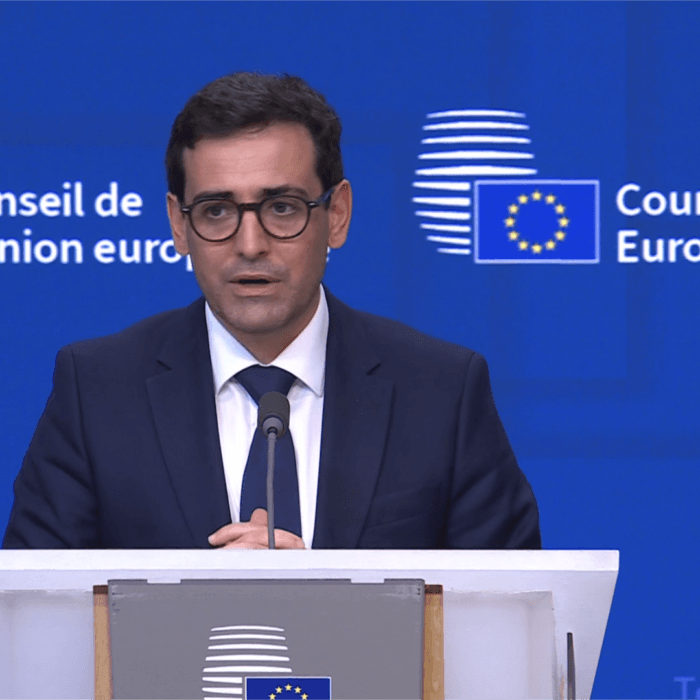
The move came days after EU Trade Commissioner Maroš Šefčovič met Chinese Commerce Minister Wang Wentao in Brussels to launch a new regular trade consultation mechanism between the two sides.
Following the talks, Šefčovič said “the status quo is not an option” as both sides seek to resolve long-running trade disputes. The European Commission said ministers agreed to meet once or twice a year and discuss issues including trade imbalances and export controls.
China’s Ministry of Commerce described the talks as constructive and confirmed that Wang will host Šefčovič in Beijing later this year for further discussions.
The latest measures follow several years of growing friction between Brussels and Beijing. EU officials have repeatedly argued that subsidized Chinese exports and global industrial overcapacity have placed pressure on European manufacturers, particularly in sectors such as steel.
Trade tensions have also widened beyond heavy industry. The rapid growth of low-cost online retailers shipping millions of small parcels into Europe has prompted concerns over customs enforcement, consumer safety, and competition for European businesses.
The temporary parcel charge is intended as an interim measure before the EU introduces a modernized customs framework expected in 2028.
Despite the disputes, both sides have continued to hold regular discussions on trade and investment.
The new consultation mechanism builds on previous high-level economic dialogues, with officials aiming to address differences through structured ministerial meetings while maintaining cooperation in areas of shared interest.
The EU has repeatedly said it remains open to trade but will take measures it considers necessary to protect its industries and ensure fair competition.
Reuters contributed to this report.