Ottawa and Ontario have signed a cooperation agreement aiming to speed up approval timelines and reduce regulatory burden on major projects, including the road to the Ring of Fire region in northern Ontario.
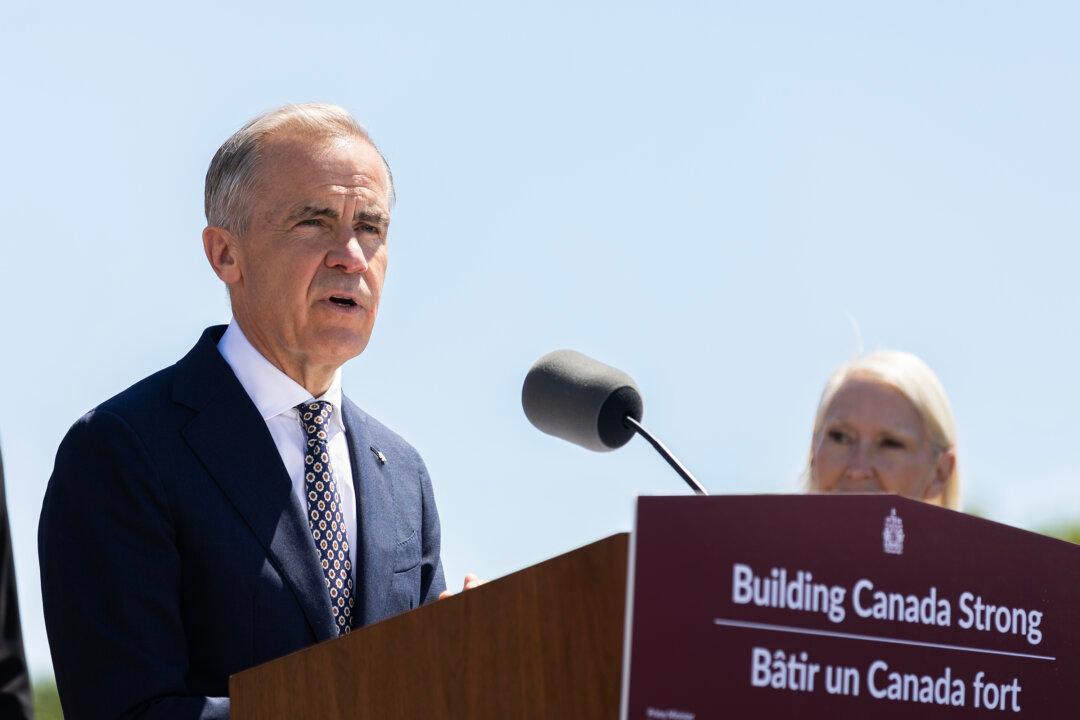
“By working together, we’ll be providing greater certainty to builders so we can turbocharge the construction of the infrastructure Ontario and Canada needs to build our economy strong,” Carney said, adding that the new approach will aim to reduce duplication in the assessment phase to allow projects to be built faster.
When a project is primarily regulated by Ontario, Ottawa will rely on the provincial environmental assessment, while if a project falls under federal jurisdiction, the federal assessment process will be used. In cases where there are shared responsibilities, the two governments will use a coordinated approach, Carney said.
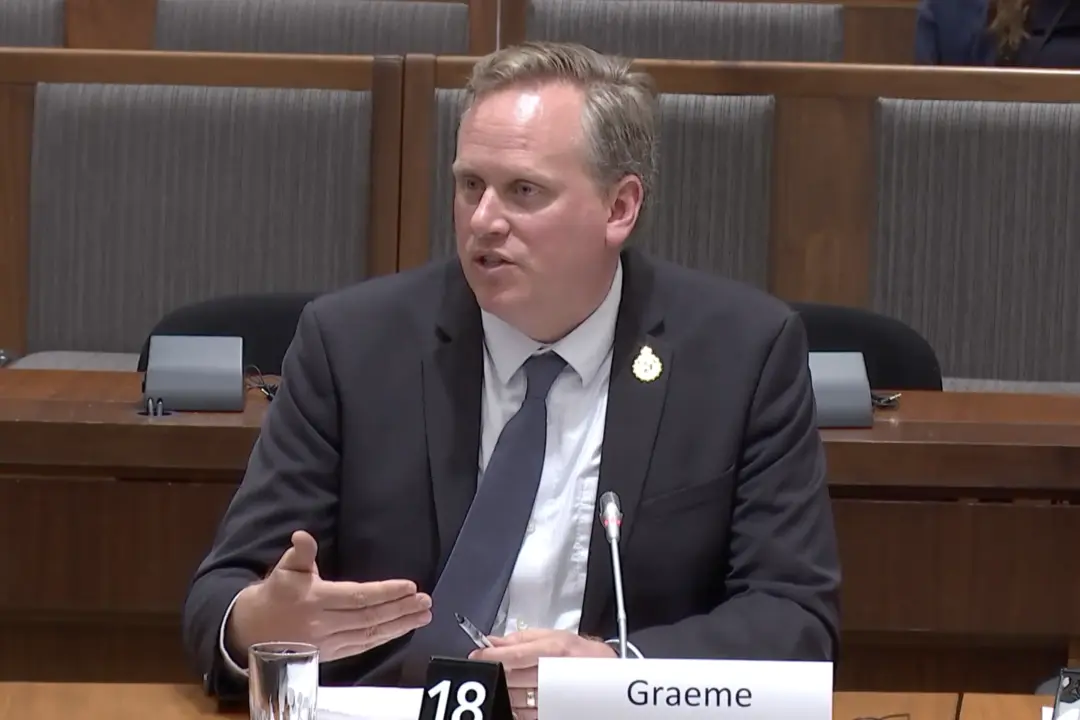
Ford called the announcement “transformational,” saying projects previously required overlapping provincial and federal review will now only require one review. He said this will bring more certainty to investors and project proponents.


“Our agreement is the next step in our government’s extensive work and partnerships with First Nations and northern communities to unlock Ontario’s vast critical mineral reserve and the Ring of Fire,” Ford said.
Ring of Fire
While Ontario’s Ring of Fire region hasn’t been referred to the Major Projects Office yet under either of Carney’s major project announcements, Carney announced on Sept. 11 six “strategies” for projects at earlier stages that require more development, which included the Ring of Fire.Webequie and Marten Falls First Nation are currently conducting environmental assessments on three roads that would connect the provincial highway system to their communities and mining activities in the mineral-rich Ring of Fire region.
Ontario has also signed a deal with Aroland First Nation at the south end of the roads to the Ring of Fire to upgrade an old logging road.
While the area is said to be rich with critical minerals, and some First Nations like Webequie and Marten Falls are on board with Ford’s proposed projects, other nearby First Nations are not supportive.
Some First Nations have also expressed concerns with Ontario’s Bill 5 that gave the province the power to suspend any provincial and municipal laws to speed up the construction of major projects, particularly mines. With the new agreement between Ottawa and Ontario, the province is no longer expected to use the legislation’s powers to speed up construction for the road to the Ring of Fire.
New Brunswick Deal
Ottawa also signed a deal with New Brunswick on Dec. 16, agreeing to implement the “one project, one review” approach for environmental impact assessments for all major projects in the province of New Brunswick.The agreement between Ottawa and New Brunswick could impact major projects in the province such as Northcliff Resources’ Sisson Mine, which was referred to the Major Projects Office on Nov. 13 for approval, as part of the Liberal government’s second round of major projects to be fast-tracked. The mine will produce tungsten used in high-strength steel production, defence, and industrial applications.
Manitoba was the first province to sign a cooperation agreement with the federal government after Ottawa committed to signing agreements with all interested provinces in May, Canada-U.S. Trade Minister Dominic LeBlanc said on Dec. 16.