Ottawa and New Brunswick have signed an agreement to speed up environmental impact assessments for major projects in the province by only requiring a single review.
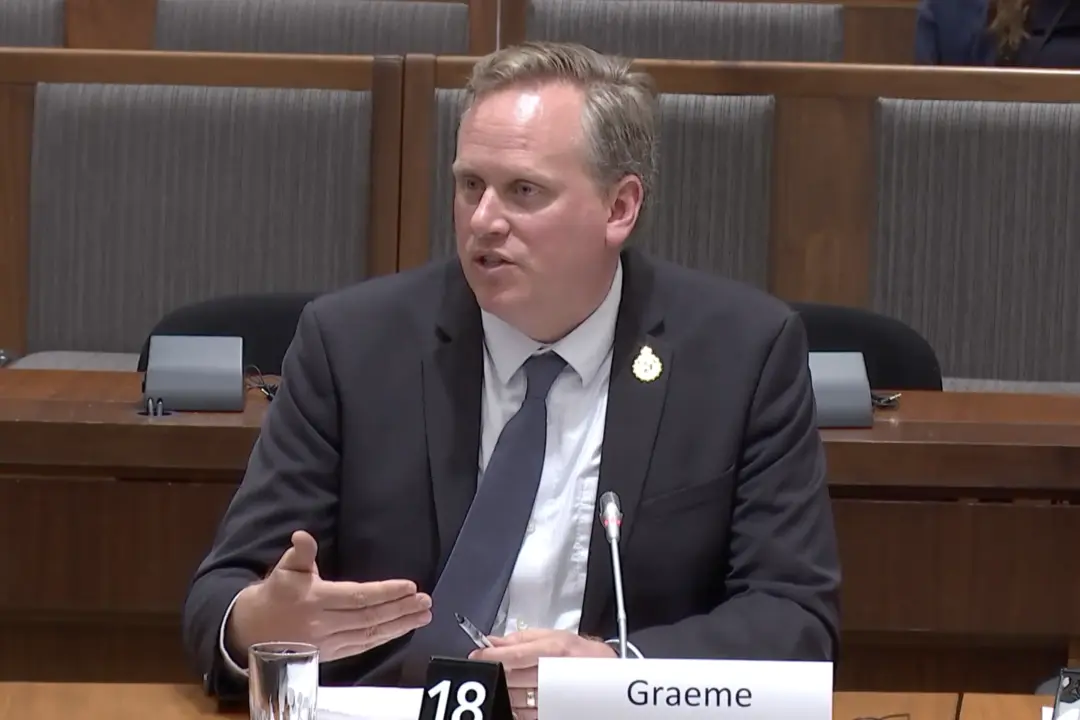
Ottawa will rely on New Brunswick processes “where appropriate” and use other collaborative approaches, such as joint review panels, to achieve a single review, the Impact Assessment Agency said. Holt noted the review panel will consist of local, provincial, and federal agencies.
The agreement will also ensure “meaningful” consultation and collaboration with First Nations throughout the assessment process, the agency said.
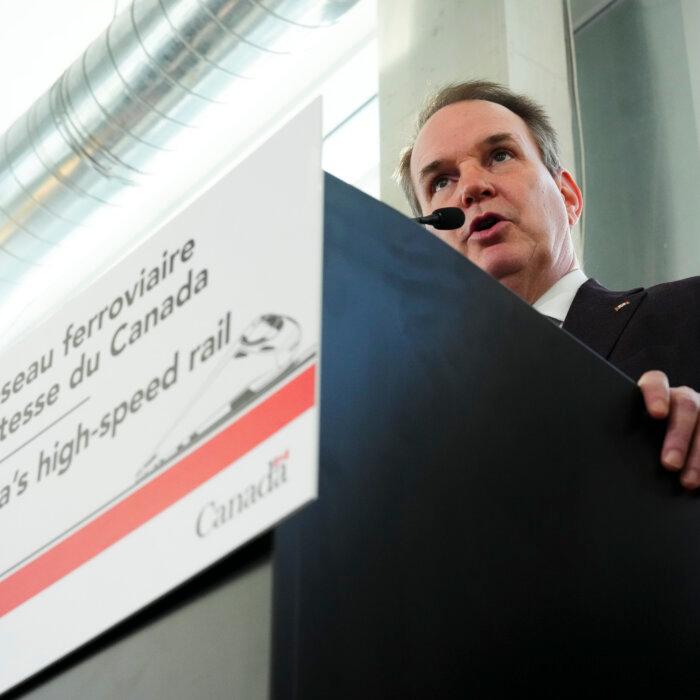
Also speaking at the press conference, Canada-U.S. Trade Minister Dominic LeBlanc said New Brunswick is the first province to sign a cooperation agreement with the federal government since Ottawa committed to signing agreements with all interested provinces in May.

Agreements between Ottawa and the provinces of Prince Edward Island, Ontario, and Manitoba are currently being finalized, while discussions with other provinces are ongoing. Meanwhile, British Columbia signed an impact assessment cooperation agreement with Ottawa in 2019.
When asked by reporters whether the new “one project, one review” approach will still provide the same level of scrutiny compared to requiring separate federal and provincial assessments, Holt said the process her province has in place includes federal agencies, provincial organizations, local organizations, and multiple people reviewing the data and asking questions.
“It’s not just two sets of eyes, it’s actually dozens and dozens of sets of eyes evaluating these projects,” Holt said, adding that the process will involve the same level of stringency. “We are confident that the process is robust. We really appreciate that the federal government has recognized the quality and the strength of the process here in New Brunswick.”
LeBlanc added that with the new approach, the same number of eyes can look at a particular review at the same time, instead of sequentially.
Sisson Mine
Prime Minister Mark Carney announced on Nov. 13 that Northcliff Resources’ Sisson Mine in New Brunswick would be referred to the Major Projects Office for approval as part of the Liberal government’s second round of major projects to be fast-tracked. The mine will produce tungsten used in high-strength steel production, defence, and industrial applications.Reporters asked Holt on Dec. 16 if the Sisson Mine project was delayed due to duplication in the process, and whether the project could have moved forward more quickly if the “one project, one review” approach had been in place at the time.
“I think that project went through a comprehensive EIA process, and both the provincial and federal regulatory assessment process separately,” Holt told reporters. “So there was some duplication of effort, duplication of submission of information and evaluation that happened, but the Sisson project didn’t pause because of that process.”
The project was stalled because of “market conditions and the way that China controls the price” of tungsten, she added.
LeBlanc agreed that the project was delayed due to the commodity price of tungsten being controlled by China.
“China has a dominant position in the global marketplace for this critical mineral,” LeBlanc said. “That’s not in Canada’s national security interest to be dependent on other countries in a disproportionate way, and you can imagine that’s also true for allies in Europe, in the United States, [and] other allies of Canada.”