Two of the agreements relate to “shared decision-making” between Musqueam and Canada over marine management and fisheries. However, the third agreement—the “Rights Recognition Agreement”—is igniting a new wave of uncertainty and confusion.
That agreement recognizes “that Musqueam has Aboriginal rights including title within their traditional territory and establishes a framework for incremental implementation of rights and nation-to-nation relations with Canada.”
That short description has set speculation swirling, with a focus on the wording that follows: “including title.”
In Canada, aboriginal title is a collective property right defined over the decades by courts as an inherent right to land.
In most of the country, aboriginal title has been extinguished by treaties, but the vast majority of B.C. is not covered by these treaties. This means aboriginal title has never been extinguished in the province, other than a slice of the northeast and a portion of Vancouver Island.
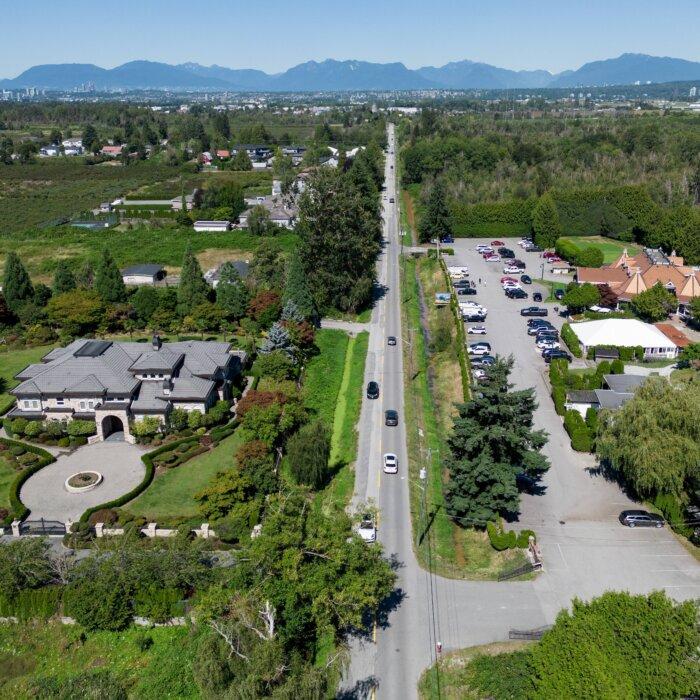
The federal government’s move to weigh in on aboriginal title comes just seven months after the August 2025 B.C. Supreme Court finding that the Cowichan Nation has aboriginal title to roughly 800 acres of land in Richmond.
On Jan. 26, Dzawada’enuxw First Nation drew on precedent set by the Cowichan decision in a suit of its own, claiming ownership of 650 hectares on B.C.’s central coast. Most of that land is privately held by lumber producer Interfor Corp. and the Nature Trust of B.C.
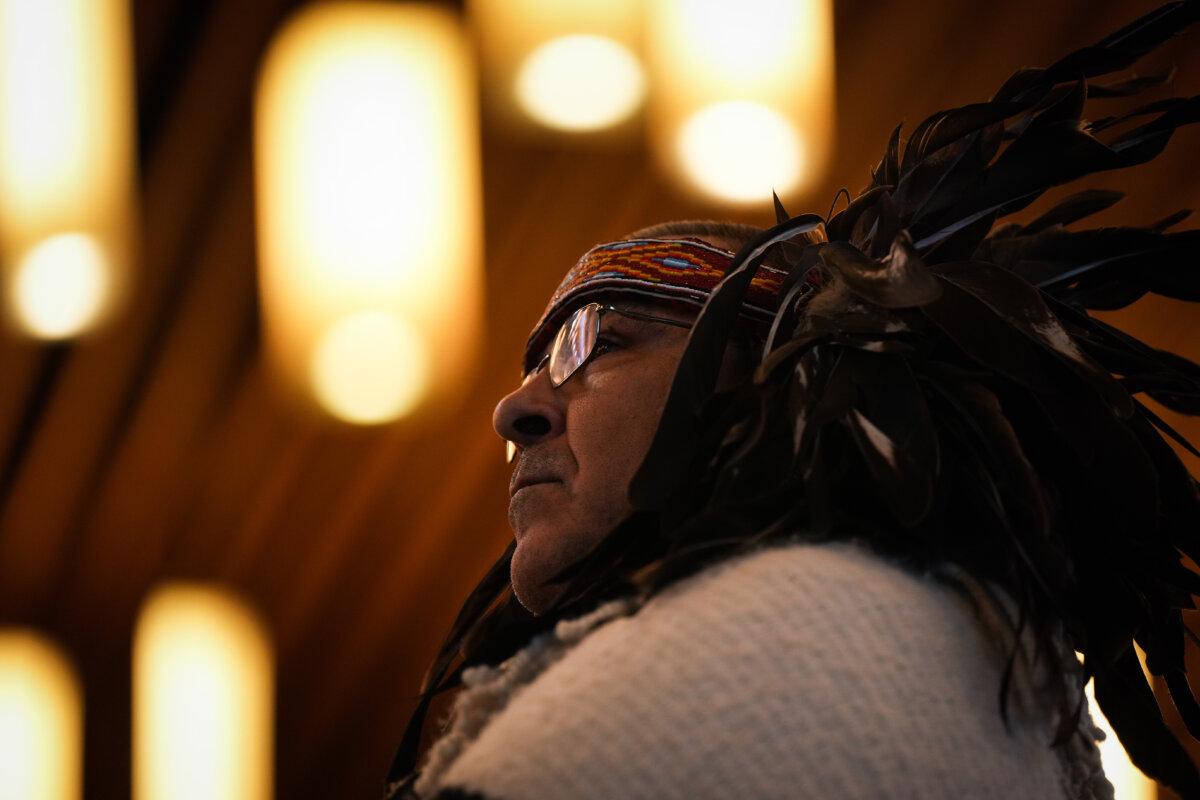
With uncertainty over property rights already at a fever pitch in B.C., and much of the rest of the country watching closely to see how the aboriginal title issue develops, it’s no surprise that reaction to the Canada-Musqueam agreements is intense.
Musqueam Territory
The Musqueam Indian Band’s website states that “portions of Musqueam’s territory are called Vancouver, Burnaby, Richmond, New Westminster, Delta, North Vancouver, West Vancouver, Surrey, UBC Endowment Lands, YVR Airport and Coquitlam.”The B.C. government’s response to the Canada-Musqueam agreements reflects the confusion felt by much of the public.
“I haven’t been briefed yet on the contents of the agreement. I look forward to learning more about what the federal government’s been doing here,” Eby said.
In an apparent reference to the Cowichan case, he said: “We have seen what happens in the past when these agreements are done in secret, behind closed doors. It creates confusion, uncertainty, and division in BC.”
“Conservatives are calling for the immediate release of the full text of the agreements signed with the Musqueam Indian Band, so that Canadians can know what commitments their government has made behind closed doors,” the statement read.
The document helps piece together the meaning in Ottawa’s original Feb. 20 press release, which was short and lacked details.
The beginning of page 19 of the full agreement text reads: “This Agreement does not constitute a treaty or lands claims agreements.” It goes on to state that Ottawa’s agreement with Musqueam “does not create, amend, define, establish, abrogate or derogate from Musqueam’s Rights and Title.”
Agreement
Ottawa seems to have chosen its words in the agreement carefully, saying Musqueam has aboriginal title “within” its traditional territory rather than “to” it. Title “to” the territory would mean the Musqueam could establish title over the entire territory rather than a portion of it.The full text of the document says that the agreement “does not create” title and “does not constitute a treaty or lands claims agreement.”
The Musqueam Indian Band itself is seeking to allay concerns surrounding the agreements.
The band’s statement goes on to quote a statement from Musqueam Chief Wayne Sparrow from December 2025: “Musqueam is not coming for anyone’s private property. Our approach to traditional unceded territory is one of partnership and relationship with our neighbours, not trying to take away our neighbours’ private property.”
“If nothing else, it might be invoked against the Attorney General of Canada in relation to what arguments Canada can make in court cases involving Aboriginal title and private property,” he said, citing the future phases of the Cowichan court case as an example where it could be potentially cited.
He adds that the agreement may imply that negotiations are likely between the Musqueam and the federal government regarding, “what is owing to the Musqueam in light of Musqueam title lands now being in private ownership.”
Title Claims
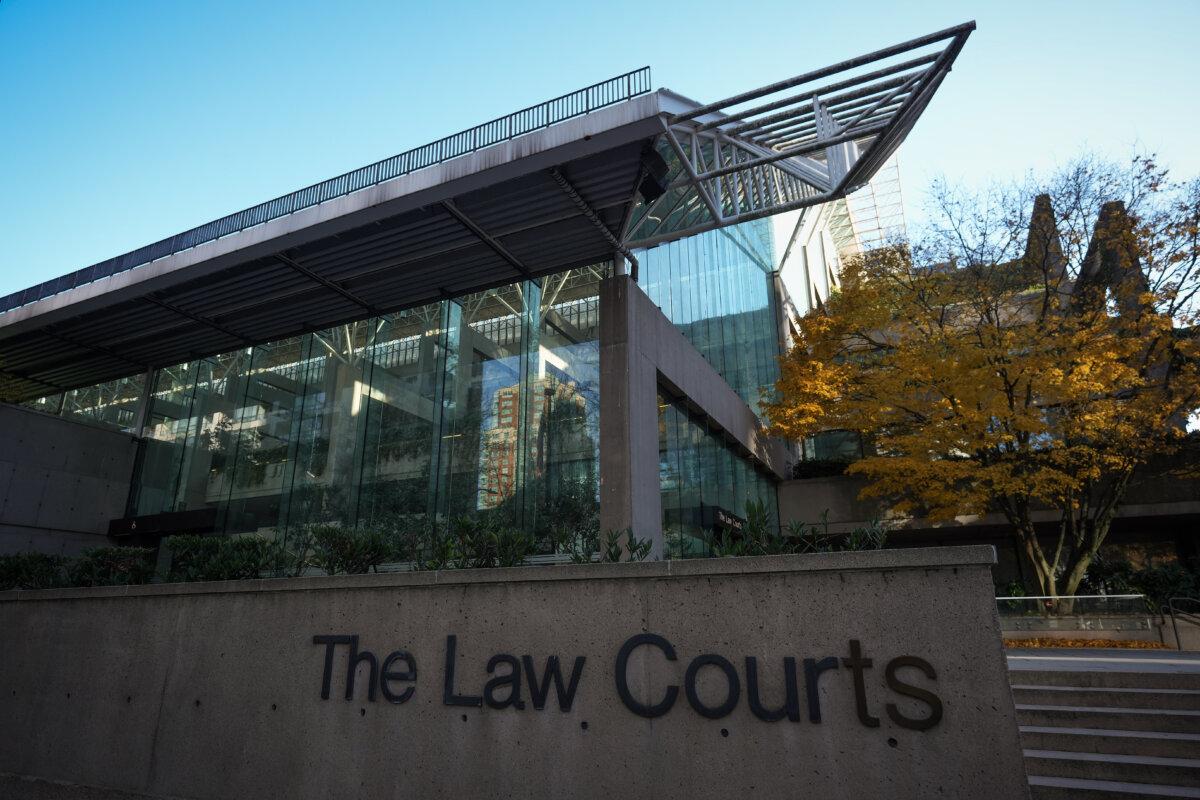
There are two ways that Musqueam could go about title claims if it wanted to pursue the issue: by negotiation, or through the courts.The Cowichan Nation successfully established aboriginal title over 800 acres in Richmond when the B.C. Supreme Court released its decision in Cowichan Tribes v. Canada after 513 days of trial in August 2025.
The “Rising Tide” agreement contained a carveout for private property, which the provincial government says “is not affected by the recognition of Haida Aboriginal title.”
The Haida’s success in negotiating this recognition will be difficult for other First Nations to replicate, because its traditional territory is uniquely unencumbered by overlapping claims from other indigenous groups.
Aboriginal Title
This is a rare situation in a province criss-crossed by often conflicting land claims by more than 200 distinct First Nations.The economic implications of recognizing aboriginal title over a remote area like the Haida Gwaii archipelago are far less dramatic than the potential ramifications of recognizing aboriginal title over Metro Vancouver.
The provincial and federal governments would be taking a big economic risk if they recognize Musqueam title over Metro Vancouver. For this reason, the Musqueam recognition would be hard-pressed to obtain a title recognition through negotiation.
They could potentially seek title through the courts, as the Cowichan did successfully—but there are limitations to this approach.
The Musqueam would need to demonstrate that their ancestors had continuous and exclusive occupation of a specific location in their traditional territory. The Cowichan Nation had initially claimed more than 1,800 acres in Richmond, but the B.C. Supreme Court pared this down, finding sufficient grounds for aboriginal title on just 800 acres.
The Musqueam would also likely face conflicting claims from other First Nations, just as the Cowichan Nation did.
If the Musqueam successfully prove aboriginal title in court or obtain government recognition of title through negotiation, it could unleash significant uncertainty surrounding property rights.
Montrose Properties, a major Richmond landowner, has asked the B.C. Supreme Court to reopen the Cowichan decision, arguing that it should have been a party to the original trial.
Montrose says that multiple projects have fallen through in the wake of the court ruling, including a lender backing out of a “shovel ready” plan to build a warehouse.
British Columbia, home to roughly a third of the total First Nations in Canada, could be dealing with aboriginal title cases for some time to come.