Ontario is seeking bids on a feasibility study for a new East-West energy corridor that will include Alberta-to-Ontario pipelines and a deep-sea port on the coast of James Bay.
Ontario Premier Doug Ford said building infrastructure across the country is necessary to “protect our energy security, find new markets for Canadian energy and resources and create new jobs and opportunities for Canadian workers,” especially amid an uncertain trade relationship with the United States. The new pipelines intend to reduce Canada’s reliance on the United States.
Ontario Infrastructure Minister Kinga Surma said it’s important for Canada to work together across governments to “unlock new markets domestically and protect jobs” in the face of U.S. tariffs, through nation-building projects and partnerships.
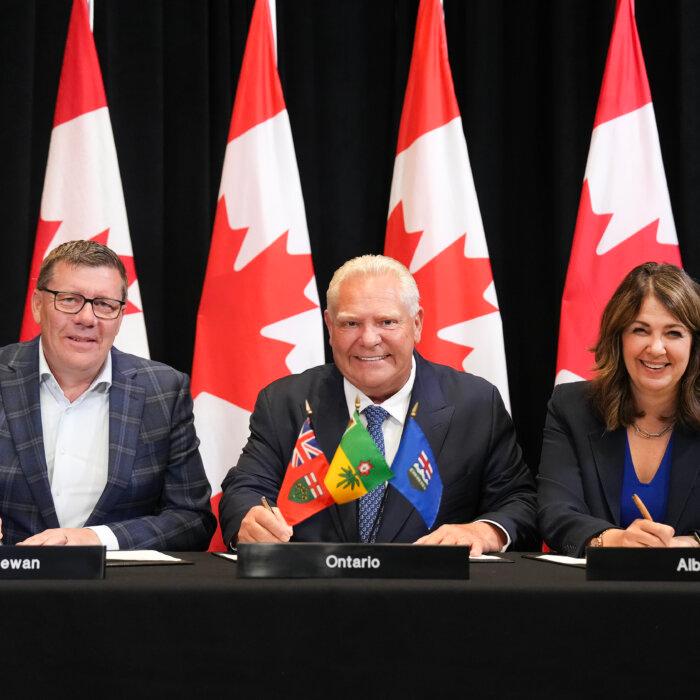
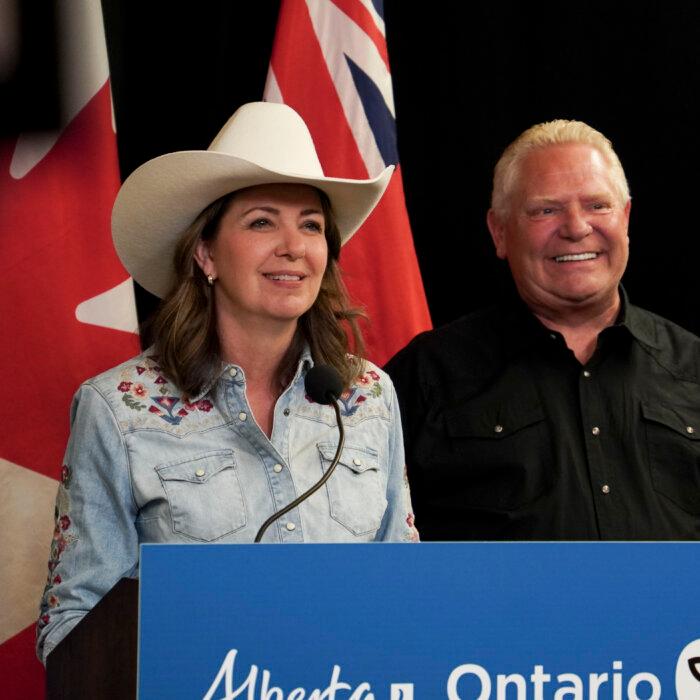
Alberta Premier Danielle Smith said the pipelines will help Alberta oil and gas reach markets across Canada as well as global markets, calling it a potentially “defining moment” for the country.
“Alberta is proud to partner with provinces that share our bold vision for a stronger, more self-reliant Canada,” Smith said in the statement.
Saskatchewan Premier Scott Moe noted that his province exports 70 percent of the goods it produces, making global markets key to strengthening the economy. He echoed the importance of building energy corridors for energy security and jobs for Canadians.
The feasibility study will also look at the practicality of a new port on James Bay, Hudson Bay, and the Great Lakes, and the possibility of a new or expanded refinery along the pipeline route.
Manitoba’s Port of Churchill
While Manitoba signed agreements with four other provinces to reduce trade barriers, the province did not sign the pipeline MOU that Ontario, Alberta, and Saskatchewan signed on July 22. However, Manitoba Premier Wab Kinew has appeared supportive of making the Port of Churchill a key shipping hub.Kinew highlighted the port as an opportunity for the Western provinces to get agricultural, mineral, and energy products to other countries. The premier said he was working with First Nations to see what the “appetite” was for shipping products through the port.
Ford’s recent push for developing the proposed port came amid the new national focus on building major projects, and as the federal government introduced the One Canadian Economy Act, which recently became law. The legislation aims to speed up the development of major projects that are deemed of national interest, including pipelines, ports, and railways