A judge in the Ontario Superior Court of Justice expressed concerns about the trajectory of Canada’s justice system, saying it often prioritizes the well-being of foreign criminals over that of Canadian victims.
Justice Antonio Skarica made the comments in handing down a 28-month prison sentence to a Nigerian national who previously held a valid student visa. Boss Omeire was convicted earlier this year of extorting $50 from a woman and posting an intimate video of her online without her consent after threatening to “decimate” her life.
“Who should get priority: Should it be a foreign-born individual with no current immigration status, who was granted the privilege of attending one of our educational institutions, and used that opportunity to abuse a law-abiding, honest, hardworking but vulnerable Canadian citizen? Asking that question provides the obvious answer.”
He noted that Omeire “intentionally used the intimate image to frighten and psychologically torment the victim in an attempt to strip her of her dignity.”
Omeire first entered Canada in 2014 on a visa to study engineering at the University of Waterloo. By the time he was charged in March 2023, his visa had expired. He was granted bail but later breached his conditions by contacting the victim.
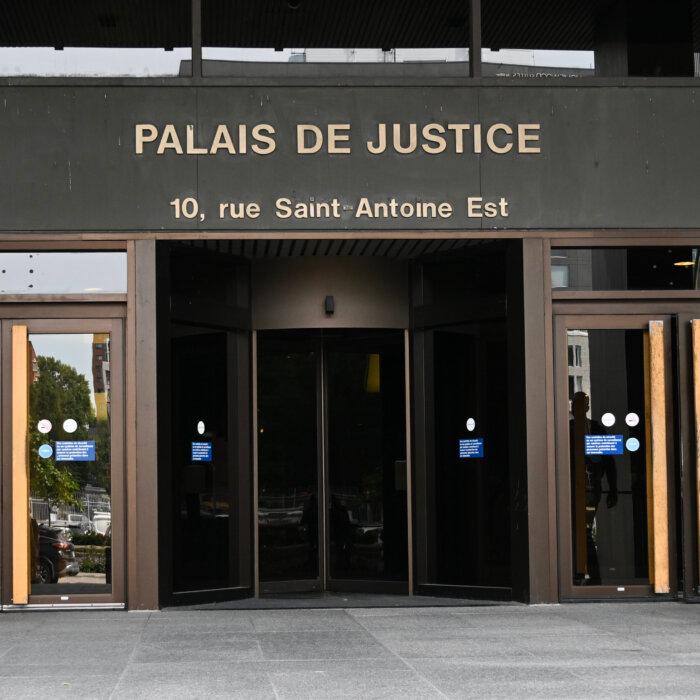

Crown prosecutors were aiming for a sentence of two years less a day, while Omeire’s lawyer sought a shorter sentence but didn’t specify a time. Omeire’s parents, who remain in Nigeria, pressed for a conditional discharge so their son could remain in Canada.
Skarica said Omeire should not have been on bail and should not have been in Canada “at all.” Omeire was convicted of extortion, sharing an intimate image of the victim without her consent, and three counts of breaching his bail conditions. He told the court he regretted his actions.
Omeire and the victim were previously in an intimate relationship and he threatened to publicly share footage of their sexual activity if she didn’t give him $50, while telling her this would ruin her life. The victim paid the money but Omeire shared the video on his private Snapchat story anyway.
Skarica said the related judicial proceedings have fuelled public perception that the country’s justice system is “soft on crime, and further prioritizes the rights of criminals over the rights of victims.”
The issue of non-Canadian offenders receiving lighter sentences to avoid impacting their immigration status or pathway into Canada has drawn national attention in recent years.
Rempel Garner, her party’s immigration critic, mentioned a case where a former international student received a 5.5-month sentence, below the “serious criminality” threshold, for secretly filming female housemates while they used the bathroom.
Justices other than Skarica have recently commented on the current trend of immigration status being considered by courts when considering sentences.
Piché said the sentence should have been between 12 and 21 months, noting Bladimir-Castillo’s risk of reoffending.
“The court cannot help but fear that the artificial creation of a separate sentencing regime for non-citizens and the circumvention of the legislator’s intent exacerbate pre-existing social tensions and could be misused,” the judge said.
The Liberal government has defended its immigration policies, saying it is “taking back control” of the immigration system. Recent tightening of asylum rules came by the adoption of Bill C-12 on border security. The Liberals have also introduced Bill C-14 to tighten bail rules. Meanwhile, Conservatives have pressed for broader immigration and justice reforms.