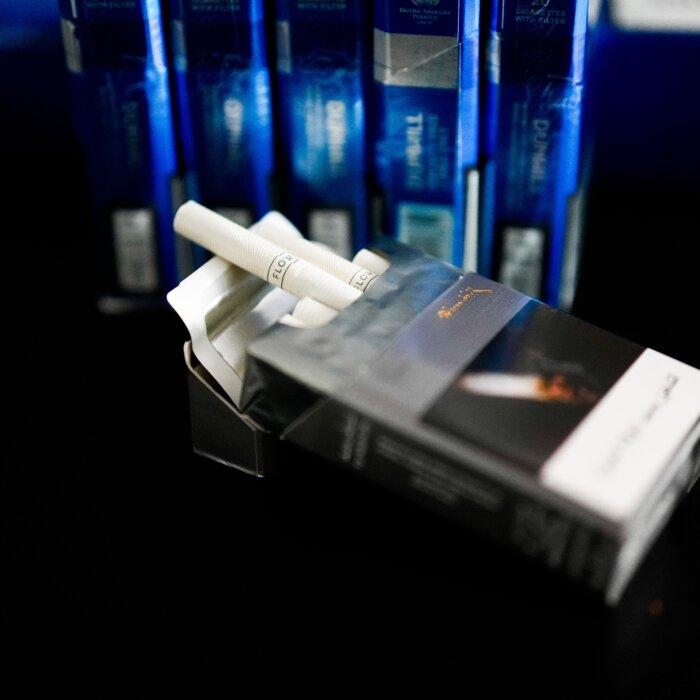
One Nation has pledged to target organised crime by slashing the tobacco excise by 75 percent and pause indexation for three years in a bid to make the black market less lucrative.
Australian governments tax tobacco products to generate revenue and also discourage purchasing—the logic being that higher cigarette costs will chase away buyers.
Authorities go a step further and index the tobacco excise rate to the average weekly earnings of Australians to make sure tobacco products do not become affordable over time.
The excise is expected to rise again from Sept. 1 from $1.52 per standard cigarette to $1.55—over $2,500 per kilogram of tobacco content, according to the Australian Tax Office.
But as tobacco prices increase, the black market for tobacco products has ballooned.
“People are sick of the firebombing, shootings, extortion and killings. They are sick of watching tobacco shops burn, while organised crime takes control of the market,” One Nation leader Pauline Hanson said.
“Victoria Police says there have been 193 tobacco arsons and six homicides directly attributed to the trade.
“Innocent victims have been killed by arsonists who attacked the wrong home. This is not a victimless crime.”
Hanson claims statistics show illicit sources supplied 80 percent of the nicotine consumed in 2025, while total consumption increased from 2017 to 2025.
“Legal tobacco is being replaced by black-market cigarettes,” Hanson said.
“Excise on a packet of 20 [cigarettes] is now about $30.60 and is scheduled to rise again in September.”
“One Nation will cut excise by 75 percent and pause indexation for three years. Passed through in full, a $46.50 legal pack would fall to about $21 or $22,” she said.
“Senate inquiry evidence put illicit packs at roughly $12 to $25. Our plan makes legal tobacco competitive and attacks the gangs’ extraordinary profit margin.”
The party’s cuts would be bolstered by increased border enforcement, closing more shops selling illicit products, and tougher legal penalties for those involved in the illegal trade.
Hanson denies the move would encourage smoking, saying it would restore the rule of law and target the black market.
Support for Excise Cut
“Lowering the price will increase consumption of legal cigarettes,” he said.
“Keeping the price high increases the consumption of illegal ones and provides a platform, and a cash crop, for organised crime.”
Though Phillips expressed concern that major parties would now push the idea of reducing the excise further away due to its association with One Nation.
“It’s far from certain that One Nation isn’t just doing this for votes—and I haven’t seen the specific modelling—but regardless of the motivation, I can’t see any better option than a significant cut in tobacco excise,” he said.
Concerns Raised
The organisation says Australia has some of the lowest smoking rates in the world, a direct result of anti-smoking policies including the excise.
“We will not allow the tobacco industry to reverse 25 years of hard-won evidence-based achievements in policy reform that is responsible for halving smoking rates in Australia,” Cancer Council CEO Jacinta Reddan said, in a statement.
“Calls for cuts to the tobacco excise are not about helping communities, they are part of a coordinated effort by the tobacco industry to protect profits at the expense of public health.
“Even if the tobacco excise was cut altogether, illicit products would remain cheaper, while legal tobacco would become more affordable, tobacco industry profits would skyrocket and smoking rates would increase.”
Greens leader and Senator Larissa Waters opposed One Nation’s plan, saying it would benefit tobacco firms.
“I don’t have a lot of sympathy for Big Tobacco, and I don’t think they should be influencing our politics,” she told reporters.
“Big corporations tend to have an inordinate influence on our politics, and I reckon people are getting shafted here.”