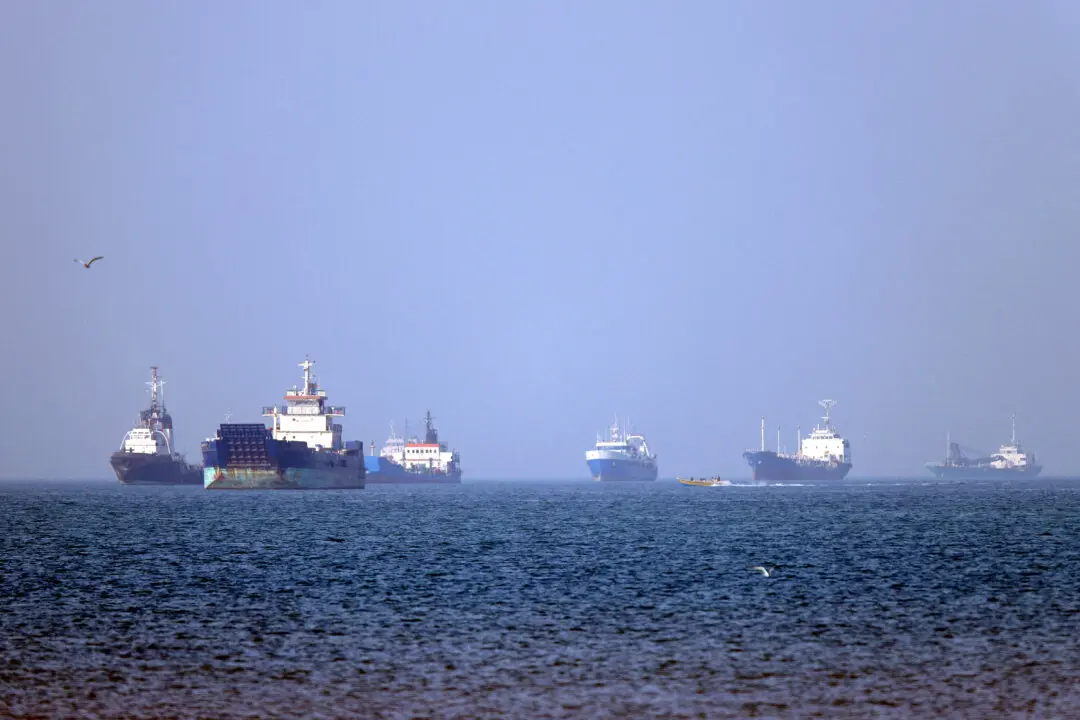
Oil prices climbed to four-week highs on Tuesday as the U.S.–Iran military confrontation ramped up and fresh threats to shipping through the Strait of Hormuz stoked fears of prolonged energy supply disruptions.
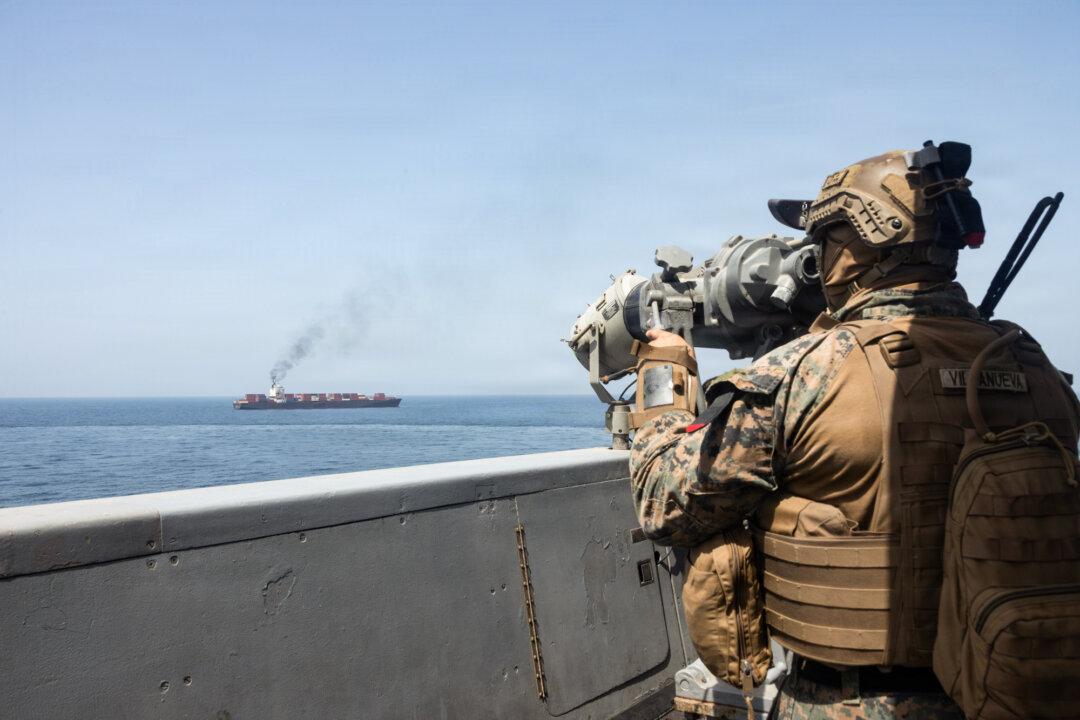
Efforts by the United States to establish a shipping corridor along a southern route near the Omani coast in the Strait of Hormuz and bypass the Iran-controlled northern corridor have been met with Iranian objections—along with attacks on vessels.
U.S. forces have responded to the Iranian strikes on commercial shipping by targeting military infrastructure along the Hormuz coastline.
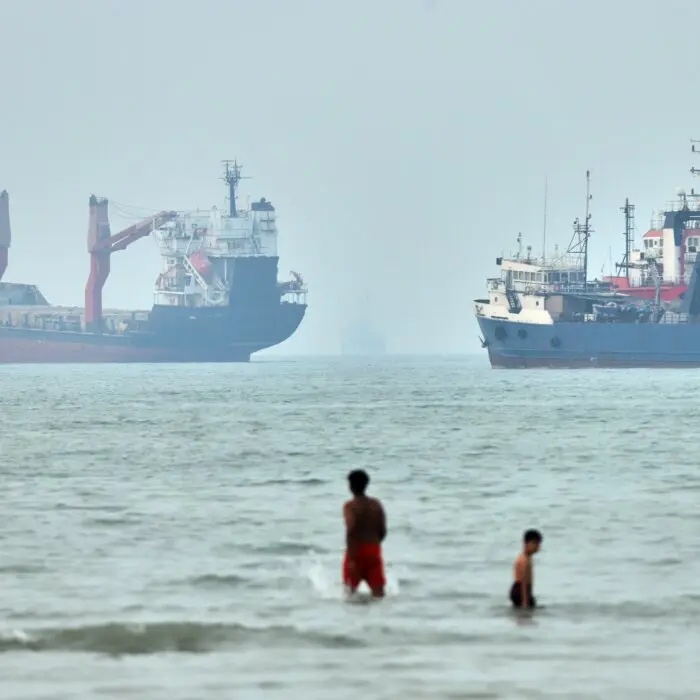
“We’re not going to put up with it. We are just going forward—we’re attacking them tonight,” Trump told reporters in the Oval Office on Monday.
“We’re taking out all their capability for anything having to do with the Strait... What they’re doing is being very foolish, very stupid.”
Trump added that, when all the military activity finally concludes, he believes the United States will end up controlling the Strait of Hormuz, the key maritime chokepoint over which Iran has been asserting control in a bid to pressure Washington into concessions.
The renewed tensions have erased weeks of market optimism that followed a June 17 memorandum of understanding signed by the United States and Iran, which extended a fragile ceasefire, reopened Hormuz to commercial shipping, and created space for negotiations on a broader peace deal to resolve the conflict diplomatically.
“Despite signing the memorandum of understanding and having a deal, this did not last for even a few weeks. So that’s the concern the market is trying to price right now,” ANZ analyst Soni Kumari said.
“What we think is that the peak of the escalation is behind us, but there are upside risks to oil prices if these disruptions continue, and that will keep prices in the $85–$90 range,” she added.
Shipping Disruptions Stoke Supply Fears
The escalation has heightened worries about oil and liquefied natural gas flows through the Strait of Hormuz, which, before the outbreak of war, carried roughly one-fifth of global supplies.Hostilities intensified over the weekend and into Monday as U.S. and Iranian forces exchanged missile and drone strikes, marking a sharp deterioration in relations after the ceasefire agreement unraveled.
The strikes began hours after Trump announced the renewed blockade and warned that countries continuing to do business with Iran would be denied transit through the strait.
“It’s a very strong blockade,” Trump told reporters on Monday.
“We’re going to take out Pickaxe Mountain. Tell the Iranians to be ready,” Trump said during an interview with radio host Hugh Hewitt.
Iran, meanwhile, has defended its recent missile attacks on U.S. military facilities in the Persian Gulf region as legitimate acts of self-defense.
Foreign Ministry spokesman Esmail Baghaei said in a post on X that Tehran’s actions were a lawful response to American aggression and urged the United Nations to condemn countries that allow U.S. forces to use their territory as “launchpads” for attacks.
The deteriorating security situation is already affecting shipping traffic.
Data released on Monday showed that the number of tankers transiting the Strait of Hormuz had fallen to its lowest level in two months, underscoring mounting concerns among shipowners and traders.
The United Arab Emirates said one Indian sailor was killed and eight crew members—six Indians and two Ukrainians—were wounded when the vessels, the Mombasa and the Al Bahiyah, came under attack.
The tankers were traveling through the southern shipping lane near the Omani coast, which, with U.S. naval backing, has been designated as a toll-free route for international shipping.