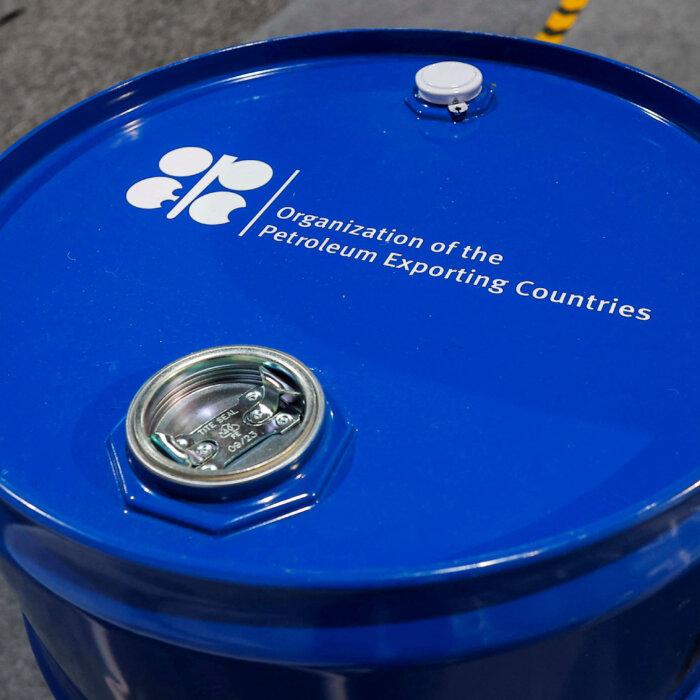
OPEC decided to maintain current production levels into 2026 on fears of a global glut.
OPEC+—a coalition of the Organization of the Petroleum Exporting Countries and 10 non-member, oil-exporting countries that coordinate global oil production—decided Sunday to maintain current production levels.
The production decision aligned with delegates who were concerned about a potential supply glut in the market.
Market reaction to the meeting was muted but positive, with oil trading higher. Brent crude rose 1.27 percent to end at $63.17, while West Texas Intermediate increased half a percent to settle at $59.59 Monday.
However, ongoing political tensions were expected to keep oil prices higher next year, despite the possible glut.
International conflicts in Ukraine and Venezuela played a part in Sunday’s decision, according to energy industry expert Phil Flynn.
By not committing to a revised production strategy, OPEC+ will be able to respond quickly to any geopolitical developments that could unexpectedly restrict the global supply of oil, Flynn noted.
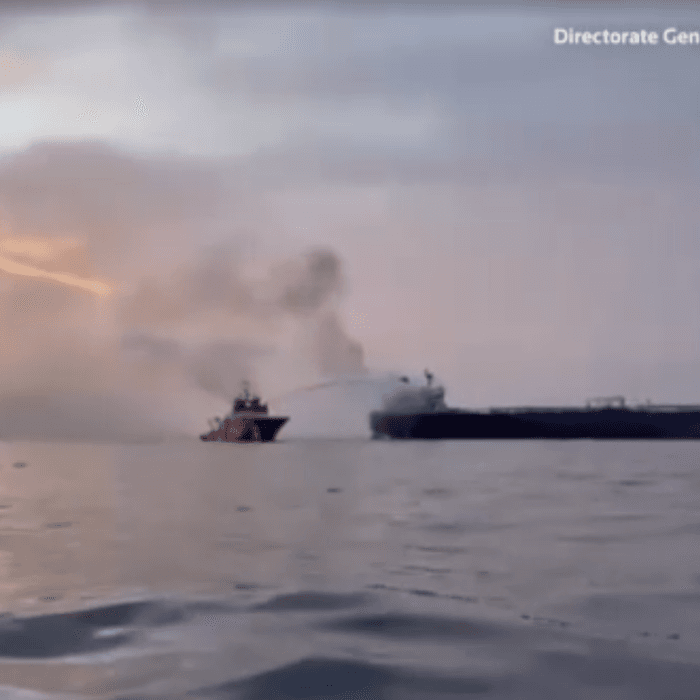
Ukraine has been attacking Russian oil refineries for months with long-range aerial drones.
The Black Sea oil tankers were flying under the flags of Gambia and Benin and were part of Russia’s “shadow fleet.” The ships were part of a group of vessels that helped Russia move oil while avoiding Western sanctions. Each ship can transport oil worth tens of millions of euros to help Russia’s economy and war efforts.
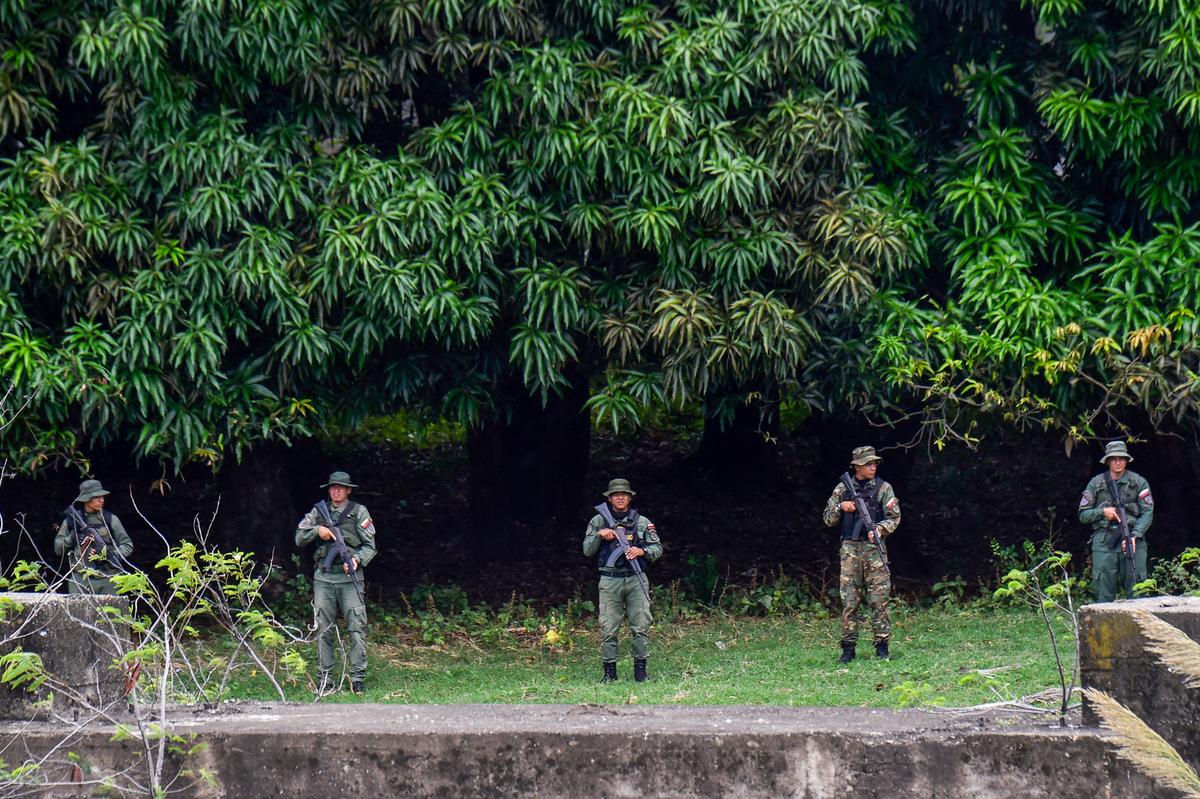
In recent weeks, the U.S. military has deployed one of its largest forces to the Caribbean, including the USS Gerald R. Ford—the world’s most advanced aircraft carrier.
In a press meeting Saturday, Trump said Maduro’s regime was a significant national security threat, accusing it of involvement in drug trafficking and mass migration as well as its ties to Iran, China, and Russia. Maduro has denied these allegations.