The Writers Guild of America (WGA)—representing about 18,000 writers in film, television, news, and digital media nationwide—says the merger would cause specific harm to writers.
The union also claims the merger threatens the economic and creative health of the American entertainment industry.
Eliminating Warner Bros. as a competing studio, and creating a new dominant firm would result in a reduction in quality and variety of theatrical films and television series, the union said.
The WGA also alleges the merger would increase Paramount’s ability to coordinate with other companies and “suppress competition” for writers’ work.
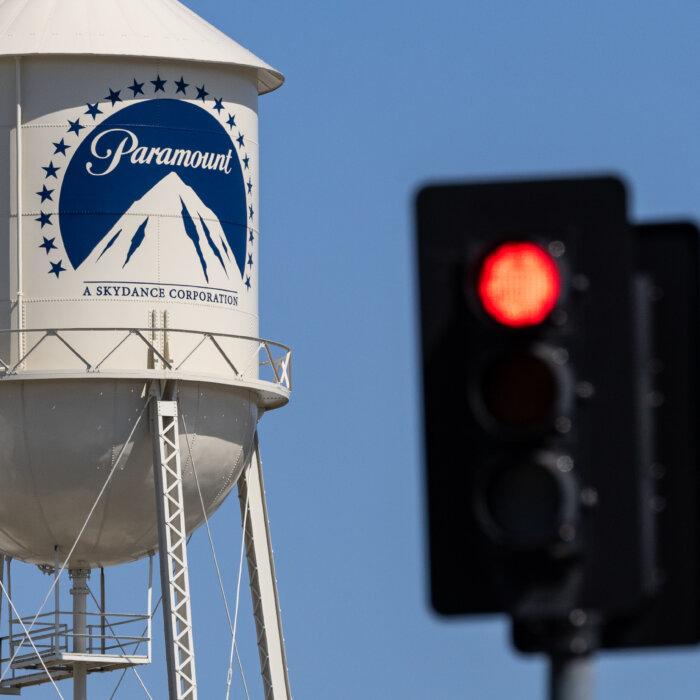
“This would eliminate competition in an already consolidated industry, threatening the livelihoods of entertainment workers and the creative diversity of TV and film,” said WGA-West President Michele Mulroney.
Screenwriter Adam McKay, who wrote “Don’t Look Up, and “Anchorman: The Legend of Ron Burgundy,” and other notable films, said independent studios are becoming rare.
“The remaining studios today are no longer independent creative entities,” McKay wrote as a witness in the complaint. “They are divisions of massive conglomerates with political exposure and financial relationships extending far beyond the entertainment industry.
“Those pressures shape what gets made. In my more than thirty years in this industry, the creative mandate has never been as subordinate to the corporate mandate as it is today,” he added.
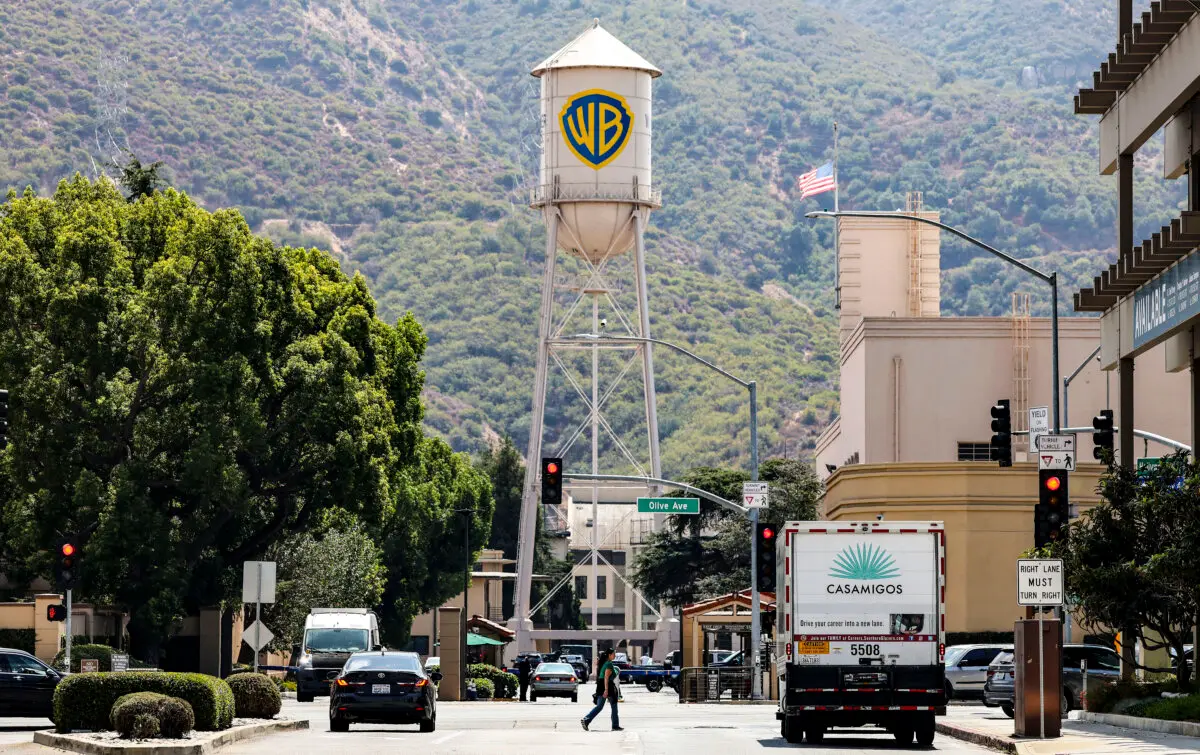
Plaintiffs are asking the judge for an immediate temporary injunction to block the merger while the lawsuit proceeds. The first hearing is scheduled for Friday.
Paramount responded to the antitrust lawsuit filed Monday, saying it was a “misrepresentation of competition in the entertainment industry today.”
The company also said the merger would create “a stronger, well-capitalized, creative-first media company that is better positioned to compete with companies like Netflix that have come to dominate the industry of audiences, premium content, and creative talent.”
Paramount said the company planned to continue to fight against any attempt to derail the deal.