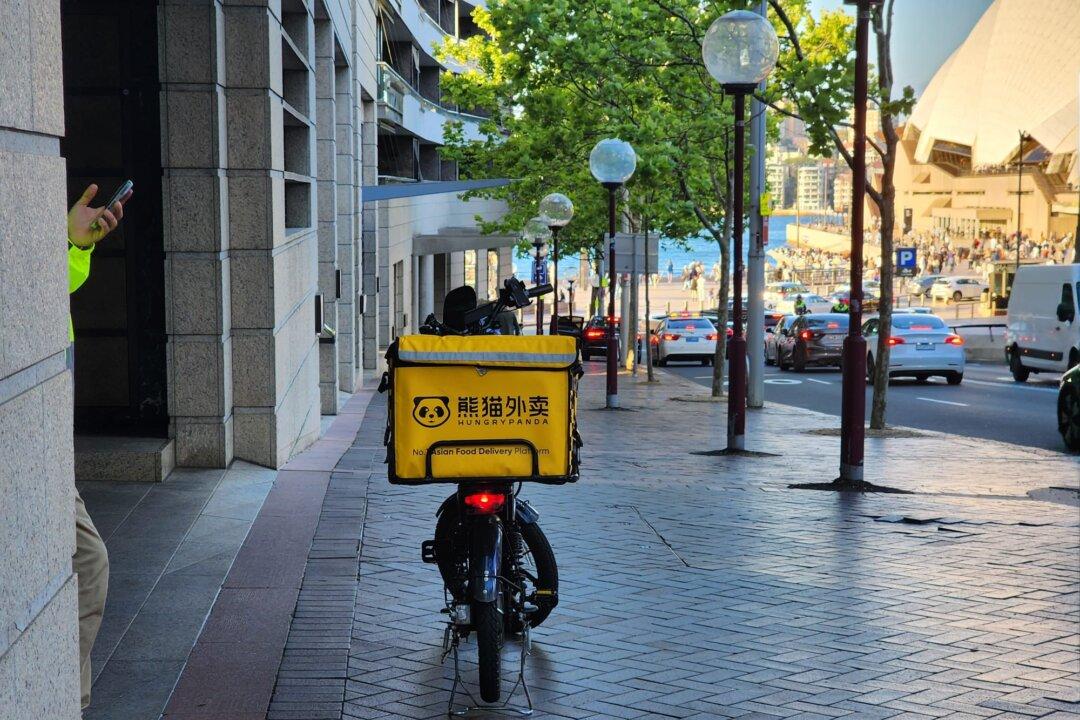
New South Wales (NSW) Labor government has recorded a $10 billion spend with small and medium businesses across the state as part of its commitment to support local jobs.
The figure is up from $8.7 billion in 2021-22 and is almost a quarter of the $42 billion spent on goods, services, and construction.
“In 2023, the Minns Labor Government raised the threshold at which government agencies can directly procure goods or services from small and medium businesses from $150,000 to $250,000,” Minister for Domestic Manufacturing and Government Procurement Courtney Houssos said.
“Following that change, the government awarded more than 1,500 contracts valued between $150,000 and $250,000 to small and medium businesses in 2024. Around 51 percent of goods and services contracts valued between $150,000 and $250,000 went to small businesses.”
NSW is home to 870,000 small businesses, which account for 97 percent of all businesses in the state and employ 1.7 million people.
The Minns Government’s reform package also included reducing red tape and allowing small businesses to provide insurance information after a contract is awarded instead of during the tender process.
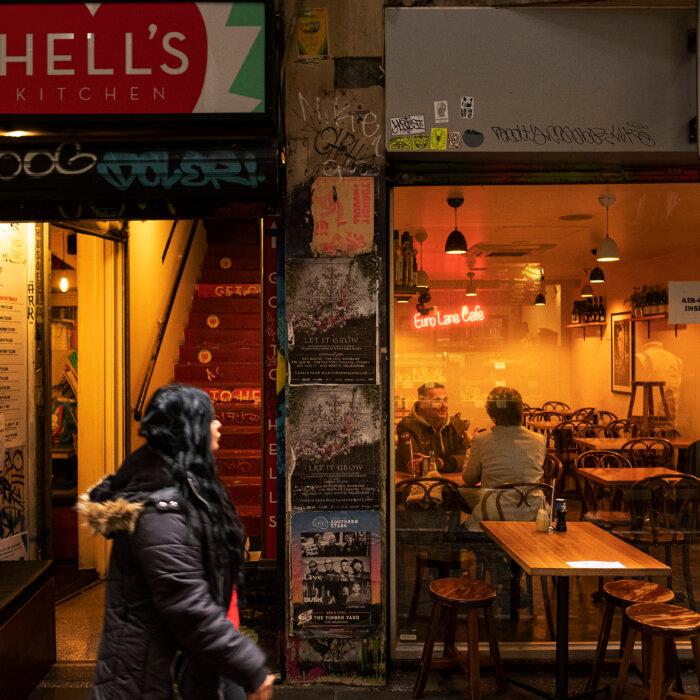
That represented an annual increase of 33 percent and accounted for 0.6 percent of the total number of operating businesses in the 2024 financial year.
Amid the overall elevated trend, insolvencies have slowed down in recent months, with June numbers remaining 10 percent below the November 2024 high.
While CreditorWatch CEO Patrick Coghlan stated that the data suggest Australia might have passed the peak of insolvency, he noted the business environment was still highly uncertain.
“The decline in trade payment defaults is a promising signal that business cash flow pressures may be easing, but with insolvencies still running 33 percent above 2024 financial year levels, and particularly elevated in hospitality and construction, I’m not getting too excited just yet,” Coghlan said.
“The sharp rise in closures across sectors traditionally seen as more stable—like Healthcare and education—underlines the breadth of the economic strain.”
Among all states and territories, the Australian Capital Territory reported the highest rate of business closure at 5.55 percent, followed by New South Wales at 5.3 percent, and Queensland at 5.2 percent.

Houssos said small businesses are the backbone of the state’s economy.
“Our reforms are helping local small and medium businesses win contracts for more of the government’s $42 billion spend—this supports jobs, communities and economic development across NSW,” she said.
“We know that NSW businesses are under pressure. These reforms are helping them grow—and our workers compensation reforms will address the rising cost of doing business. Together, this is a recipe for NSW businesses to thrive.”
Dan Hunter, CEO of Business NSW which serves as a key representative and advocate for businesses in the state, said the state government’s updated procurement rules are helping level the playing field and delivering major benefits to the community.
“Small and medium businesses aren’t asking for handouts—they simply want a fair shot at NSW government spend,” he said.
“Having confidence to buy locally from businesses in regional communities—whether that’s the local accountant, caterer or construction firm—is crucial to ensuring our collective prosperity.
“Local businesses drive significant economic value both regionally and nationally, and for many emerging operators, securing that first government contract can be a turning point.”