The Northwest Territories will not participate in the Liberal government’s firearms buyback program, the territorial government says.
The government said in a statement it has been in ongoing communication with Public Safety Canada (PSC) and has “consistently communicated that it will not administer the program.”
“This includes confirmation that the Royal Canadian Mounted Police (RCMP) in the Northwest Territories will continue to focus on core policing responsibilities to support community safety,” said the Jan. 21 statement.The territorial government said it has encouraged public safety to engage directly with indigenous communities in the territories.
Citing the “unique logistical realities” of the sprawling territory, public safety has said firearms owners will be mailed return kits and “other collection options tailored to northern communities.”
The Northwest Territories is the latest jurisdiction to announce it will not comply with the federal government’s compensation program for recently banned firearms. The provinces of Alberta, Manitoba, and Saskatchewan, as well as the Yukon territory have all said they will not participate in the buyback program.
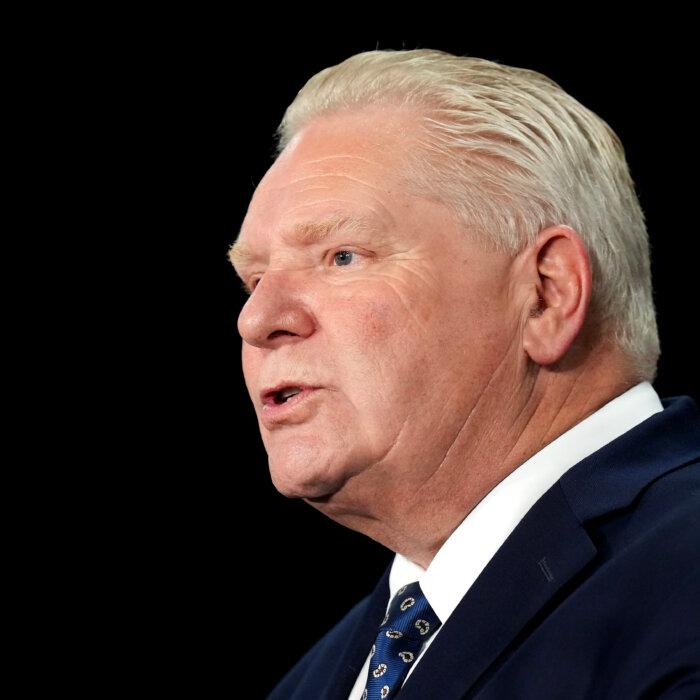
Ontario Premier Doug Ford also said on Jan. 21 that he is opposed to the gun buyback program, saying the program is “wasting money” and that Ottawa should instead protect Canadians by focusing on passing Bill C-48 to introduce stricter bail provisions for repeat and violent offenders and expand sentencing options. The Ontario Provincial Police has also said they will not participate in the program.
Quebec has kept a firearms registry since 2016, and has said it is cooperating with the program and will receive $12.4 million to cover costs for local police to carry out the gun buyback program.
The federal buyback program targets more than 2,500 makes and models of firearms that the government classifies as “assault-style” and now prohibits, offering compensation to owners who turn them in. Federal Public Safety Minister Gary Anandasangaree has said the types of firearms the government is banning will help to limit “the devastating effects of firearms violence.”
Prime Minister Mark Carney has said the buyback program is “not about confiscation” but is about the “voluntary return of firearms for compensation.”
The buyback program’s payout amounts for firearms and firearm parts can range from $150 to $9,945, according to PSC.
PSC has said that while participation in the program is voluntary, those who choose not to participate will still have to dispose of or permanently deactivate their firearms by the end of the amnesty period on Oct. 30, 2026, or they will “risk criminal liability for the illegal possession of a prohibited firearm.”
A 90-day pilot program implemented in Nova Scotia last fall collected 25 firearms from 16 people, which fell short of PSC’s goal of collecting 200 guns. A pilot program to buy back prohibited firearms from businesses led to 12,000 collected firearms and over $22 million given to businesses, according to the RCMP.
Tory Opposition Leader Pierre Poilievre has said the gun buyback program targets “law-abiding” hunters and sport shooters while failing to address the illegal firearms that are most often used in crimes.