As the new financial year kicks in, a raft of changes will kick in for Australian workers, business owners, and families.
From a rise in the minimum wage, Labor’s new super tax, and paid parental leave, here are some of the big changes to keep an eye on.
Minimum Wage Increased to $1,000 Per Week
Business owners will need to fork out more as Australia’s minimum wage bumps up to just over $1,000 a week, an increase of 4.75 percent.It comes below the Australian Council of Trade Unions’ push for a 5 percent increase, but is inflation is expected to reach 4.8 percent over the same period.
The increase will impact around 2.7 million workers.
Labor’s Super Tax Comes into Play
Labor’s contentious super tax will also begin with a higher tax rate for superannuation (retirement) accounts that have over $3 million or $10 million.Normally, income diverted into a super fund is taxed at a flat rate of 15 percent to encourage investment, however, under Labor’s new laws high-earners will need to pay more.
For those with over $3 million in their account, the tax rate will be increased to 30 percent, and for those with $10 million that will be increased to 40 percent.
Change to Super Pay Days
From July 1, employers must pay their workers’ superannuation each payday, instead of quarterly.
Employers will now also calculate super using a new definition called “qualifying earnings,” which combines ordinary pay with other eligible payments into a single category.
Also, the superannuation guarantee will increase from 11.5 percent to 12 percent, meaning employers must pay more into worker super accounts.
Lowest Marginal Tax Rate Lowered Slightly
Taxpayers will be entitled to an offset of around $258 a year as the lowest marginal tax rate—between $18,201 and $45,000—falls from 16 to 15 percent.Workers will also be able to apply for up to $1,000 in work-related expenses before having to provide receipts, though the deduction will only kick in from the next financial year.
Paid Parental Leave Extended
For any child born or adopted from July 1, their family can now get an extra two weeks of parental paid leave, up to 130 days.Centrelink Benefits Rise in Line With Inflation
Family tax benefit payments will now be indexed in line with inflation, meaning the amount paid will increase.Meanwhile, eligibility thresholds for other Centrelink benefits such as the Jobseeker and the disability support pension will be increased with inflation.
Random Text Message Crackdown
New registration rules will begin to kick in for businesses that send branded text messages, meaning they will have to register a sender ID as part of a broader measure to weed out scammers.Fuel Excise Tax Slowly Reintroduced
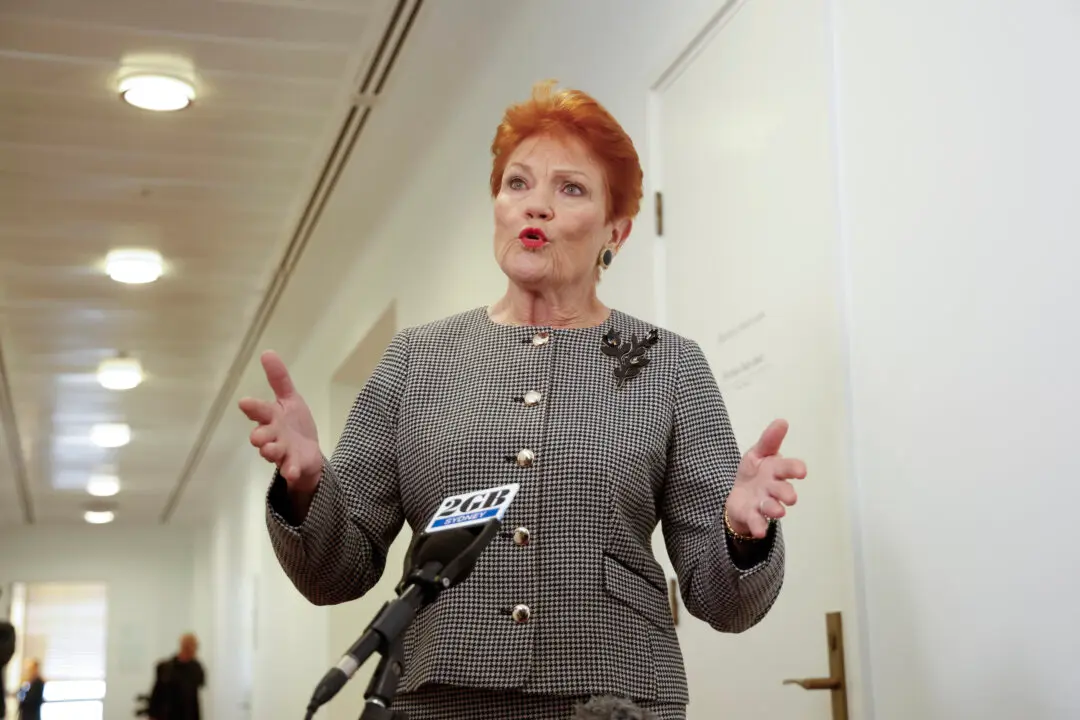
The fuel excise cut, introduced to help mitigate the impact of fuel price spikes after the Iran War broke out, will be gradually reduced, meaning motorists will need to pay an extra 16 cents per litre from July 1.One Nation Leader Pauline Hanson debated the motion in the Senate pushing for it to continue.
“The government’s decision to increase the price of fuel by 16 cents a litre from the first of July will make life harder for everyday Australians and small businesses while also contributing to inflation,” she said on social media.
Power Prices Should Fall
Power bills are expected to fall for most households in New South Wales, Victoria and southeast Queensland due to easing energy costs, according to the Australian Energy Regulator.South Australia is expected to see a small increase because of higher supply and network pressures.
New Supermarket Regulations
New regulations will come in that target supermarket price gouging.The ban will prohibit large retailers from charging prices considered excessive.
More ID Checks Amid Money Laundering Crackdown
From July 1, real estate agents, lawyers, jewellers, accountants and others will be required to perform stricter identity checks and report suspicious transactions under expanded anti-money laundering laws.These form part of the “Tranche 2” reforms aimed at preventing criminals from using property and professional services to launder money or fund terrorism.
Seafood Sourcing Must be Detailed
Restaurants serving seafood will now need to advise customers where their products are sourced.Details of where seafood is caught must be written on menus, boards, or any clear sign in the business.