The EU is an economic-political union currently comprising 27 European countries. Croatia joined most recently, in 2013. The UK left in February 2020, after voting in a 2016 referendum to leave the union.
Countries on the path to joining are Albania, Bosnia and Herzegovina, Georgia, Kosovo, Moldova, Montenegro, North Macedonia, Serbia, Turkey, and Ukraine.
EU foreign policy chief Kaja Kallas described the accession process as involving candidates aligning with the bloc’s foreign and security policies, committing to supporting free media, “cleaning up corruption,” and “cementing the rule of law.”
Ukraine Pressed on Corruption
The EU’s 2025 enlargement report includes scores on the progress made by countries aiming to join the bloc, as well as individual country reports.
Kallas said the scorecards were “largely positive” for Albania, Moldova, Montenegro, and Ukraine, “mixed” for Bosnia and Herzegovina, Kosovo, North Macedonia, Serbia, and Turkey, and “negative” for Georgia.
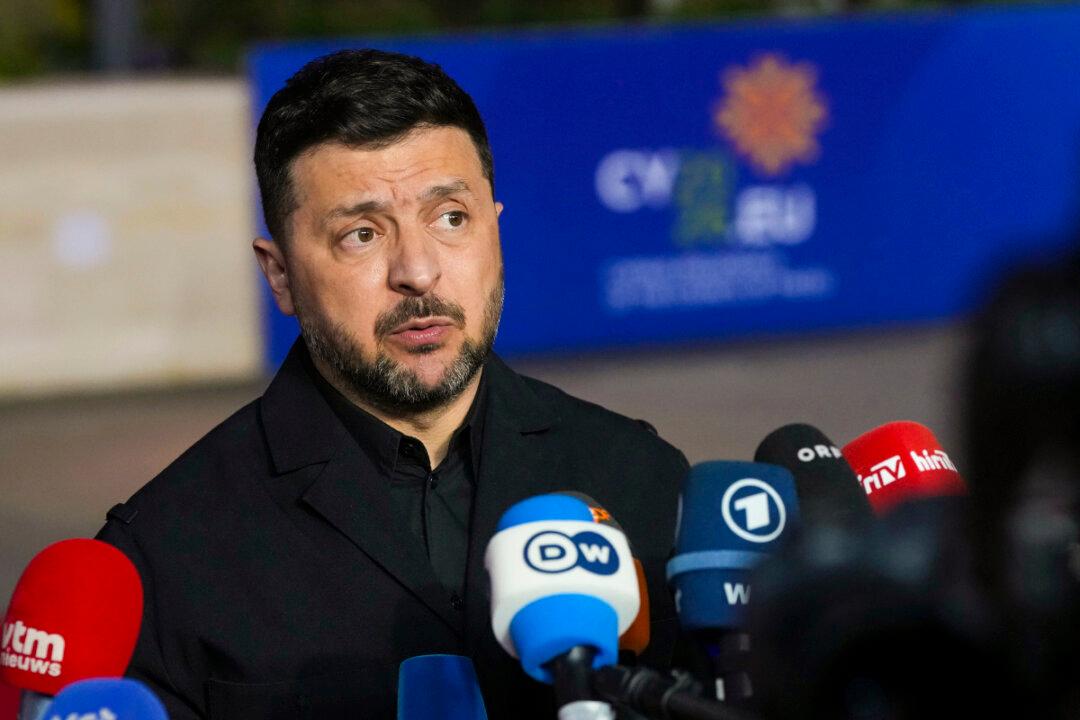
In its summary of main conclusions, the EU’s executive branch said that Ukraine had made progress on key reforms and has “adopted roadmaps on the rule of law, public administration, and the functioning of democratic institutions, as well as an action plan on national minorities, which the Commission assessed positively.”
The commission also said Ukraine needed to do more to tackle corruption. In its report, it highlighted the adoption of a contentious law in July that dismantled “important safeguards for the independence” of Ukraine’s anti-corruption institutions.
“These amendments would have severely weakened Ukraine’s anticorruption framework,” the commission said.
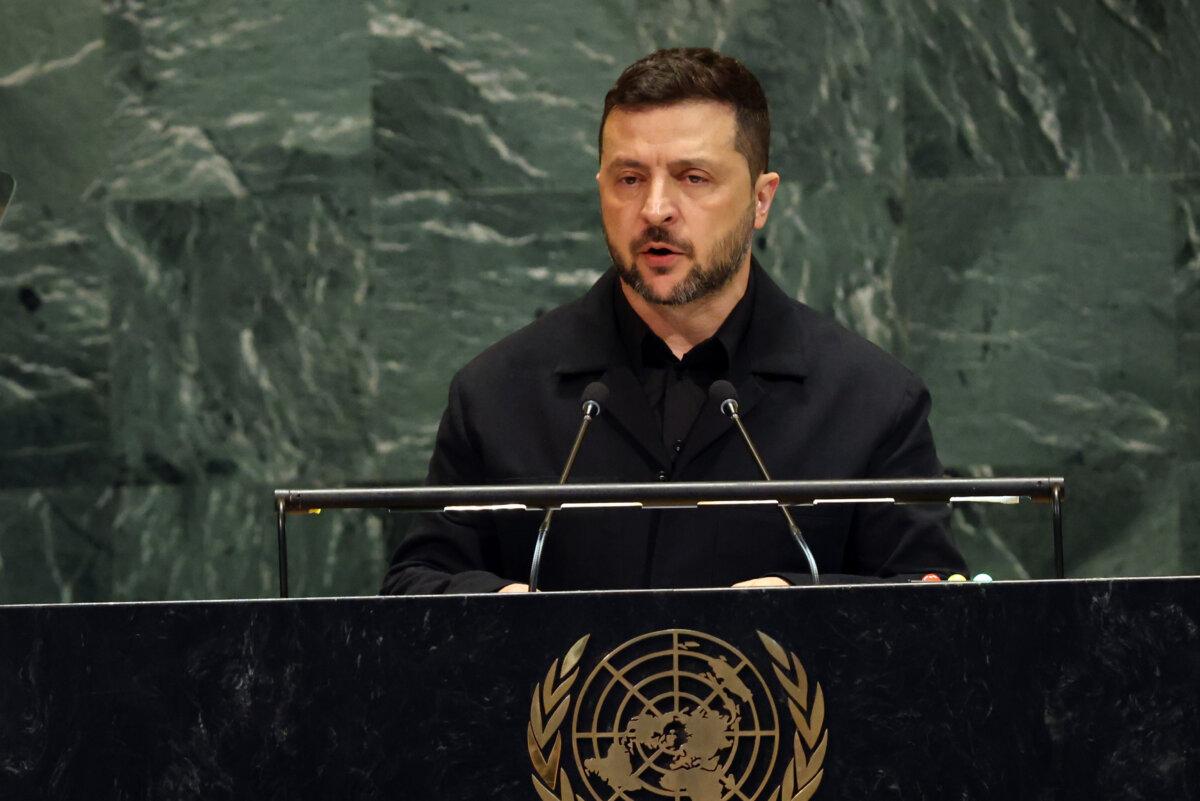
“Ukraine should advance its anti-corruption framework and prevent any backsliding on its notable reform achievements,” the commission said in its report.
‘Candidate Country in Name Only’
Georgia was the only country whose progress was considered to have been negative.The summary said that in 2024, the European Council had concluded that Georgia’s accession process was “de facto halted” and that since then, the situation “has sharply deteriorated, with serious democratic backsliding marked by a rapid erosion of the rule of law and severe restrictions on fundamental rights.”
“Georgia has no viable path to the EU at this stage unless conditions change dramatically. It is now a candidate country in name only,” Kallas said.
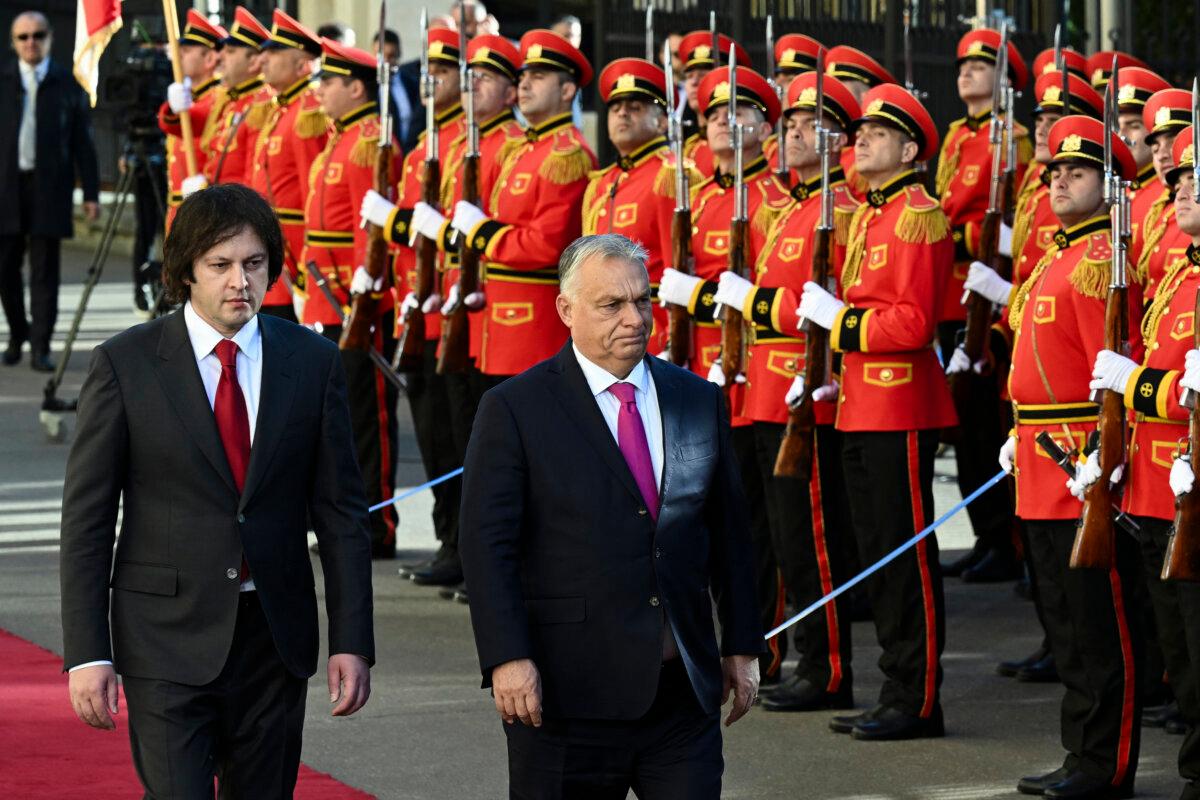
The EU has criticized Georgia over the past year. In 2024, the European Parliament adopted a resolution stating that the country’s October 2024 parliamentary election was neither fair nor free.
On Nov. 28, Georgian Prime Minister Irakli Kobakhidze said his government was suspending EU accession talks for four years, prompting protests across the country.
“It is concerning that the enlargement report is used to articulate groundless negative assessments on Georgia and to spread further political speculations,” the ministry said. “We condemn all attempts directed towards using the issue of EU accession as a political instrument, which harm the relations between the EU and Georgia.”
The ministry added that Tbilisi remains fully committed to the association agreement it signed with the bloc and will continue in its goal of “further aligning the country with the European standards.”