For six years, four firearms owned by Saskatoon resident Wayde Squires have been locked away in storage, caught in legal limbo while the courts decide whether they will ultimately be illegal.
Squires says the situation has been frustrating, but he’s also concerned about how the government would approach compensation if the guns are seized through its Assault-Style Firearms Compensation Program.
If the firearms ban is upheld, disputes remain over how owners will be compensated for surrendering their firearms. Saskatchewan amended its firearms legislation last year to require fair market valuations before prohibited firearms are transferred to the federal government.
“As far as being affected, my firearms are worthless because they’re sitting there doing nothing,” Squires told The Epoch Times. “They’ve been sitting there for six years doing nothing and locked up.”
The Saskatchewan government says the changes allow gun owners to continue possessing and storing their lawfully acquired, but now prohibited, firearms until they receive compensation reflecting the appraised value of their property. The legislation does not shield owners from prosecution for any firearms offences.
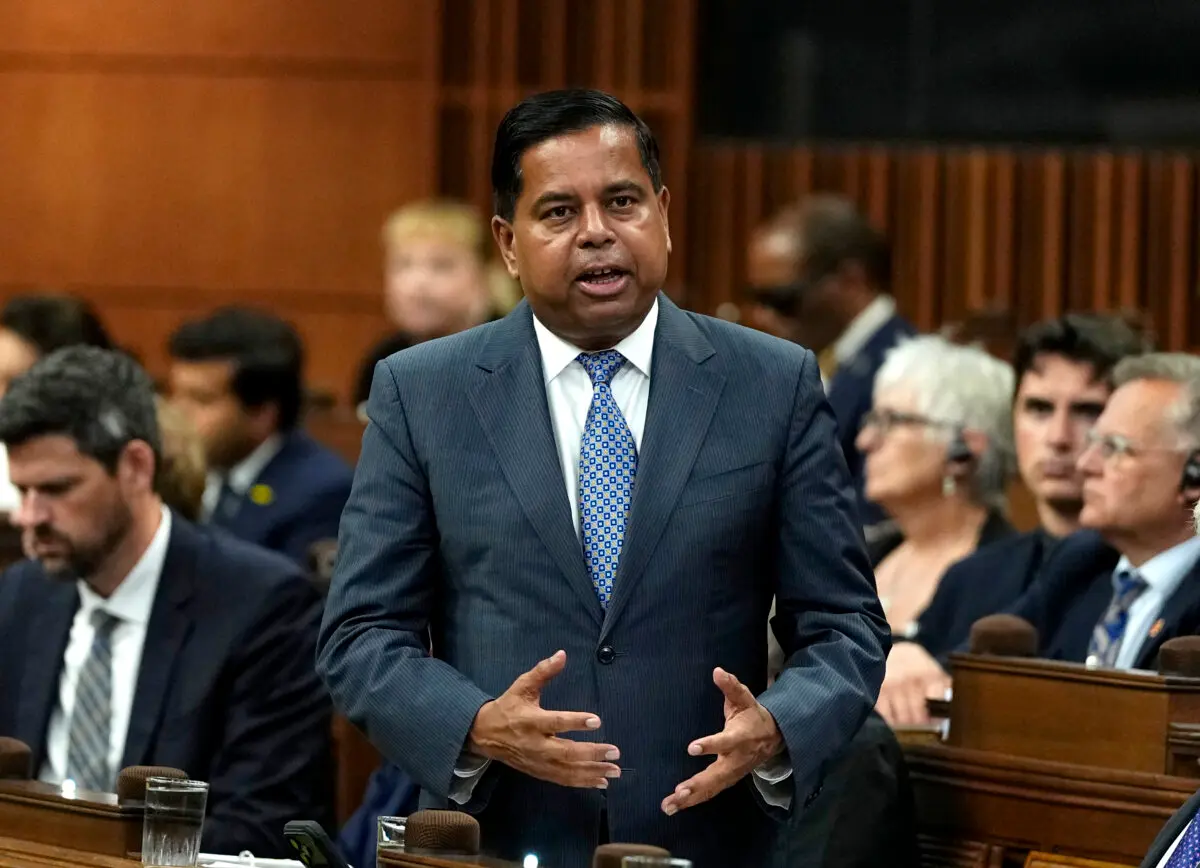
Federal Public Safety Minister Gary Anandasangaree called the gun buyback program a success as it entered its early stages.
“We were able to correct a number of issues that people had identified, both on the online portal and in other means,” he said in January after a pilot program was launched.
The government has extended its amnesty period to 90 days after the Supreme Court’s ruling.
Compensation Dispute
Rod Giltaca, CEO of the Canadian Coalition for Firearm Rights, said those legislative changes opened the door to challenge the government’s compensation model if Ottawa wins in the Supreme Court and maintains its buyback program.“We’re using the new legislation that Saskatchewan has brought in to hold the federal government to a promise they have made for more than five years,” Giltaca said in an interview. “That promise is to compensate licensed gun owners ... fully and fairly for the property they’ve made illegal.”
Saskatchewan Justice Minister and Attorney General Tim McLeod said the amendments were intended to ensure owners are fairly compensated if Ottawa proceeds with confiscating prohibited firearms.
“Under federal legislation and the national buyback program, farmers, hunters, and sport-shooting enthusiasts are being forced to either accept little or no compensation, or they must deactivate or destroy their legally purchased property at a loss to avoid facing criminal charges,” McLeod said in a statement.
Giltaca argues the $742 million Ottawa has budgeted for the buyback program is based on a fraction of the prohibited firearms in circulation. He also said the program does not account for accessories or ammunition that owners have purchased for their firearms.
He also criticized the compensation process, saying owners are not guaranteed payment before surrendering their firearms.
“Compensation is not guaranteed. You won’t know until you’ve physically turned in your firearm,” he said.
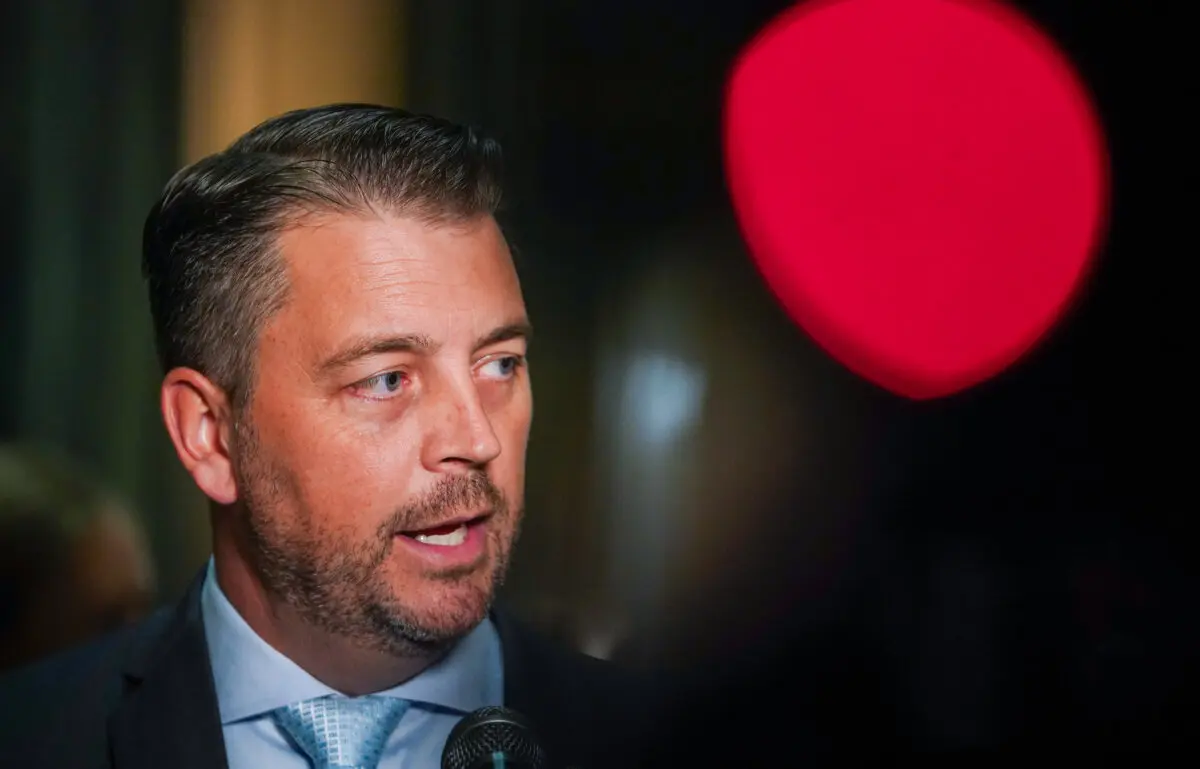
Squires, who also serves as the executive director with the Saskatoon Wildlife Federation, said one firearms owner he knows turned in a firearm worth about $1,500 and received only $2 in compensation.
A Collector’s Item
Squires said the federal compensation program also fails to account for money many owners have invested in firearm-specific accessories, such as aftermarket triggers, barrels, and handguards.He said one of his own prohibited firearms—a 1976 Colt SP-1—has become a collector’s item over the years.
“It’s a historic-looking firearm, more of a vintage cut with a fixed stock and a fixed triangular fore-end,” Squires said. “It has an identity problem because it looks like an M16, but it isn’t.”
Federal Response
When contacted for comment, Public Safety Canada said it was not aware of the new class action lawsuit. The federal Department of Justice also told The Epoch Times that it has not yet been served with the lawsuit. “Once that happens, we will review to determine next steps,” a spokesperson said.Public Safety Canada said the prohibition of the more than 2,500 makes and models of “assault-style firearms” is a key part of the government’s effort to reduce firearm-related violence.
“The significant risk that these firearms pose to public safety outweighs any justification for their continued use and availability in Canada,” a spokesperson said.
The department adds that while participating in the gun buyback program is voluntary, “compliance with the law is not.”
The current amnesty period ends 90 days after the Supreme Court decision if it sides with the government, or after the legal action is dropped.