The NDP is set to receive $670,000 in parliamentary funding, even though the party lost its official status last year.
The funding was granted through a rule change in a document that outlines pay for MPs and funding for the year, reducing the benchmark for a party to receive House officer funding from 12 seats to six, which is the current number of MPs in the NDP caucus. The change was first reported by Politico Canada.
Without official party status, NDP MPs can’t participate in committees and its questions to the government only take place at the end of question period, giving the party less visibility in parliamentary proceedings.

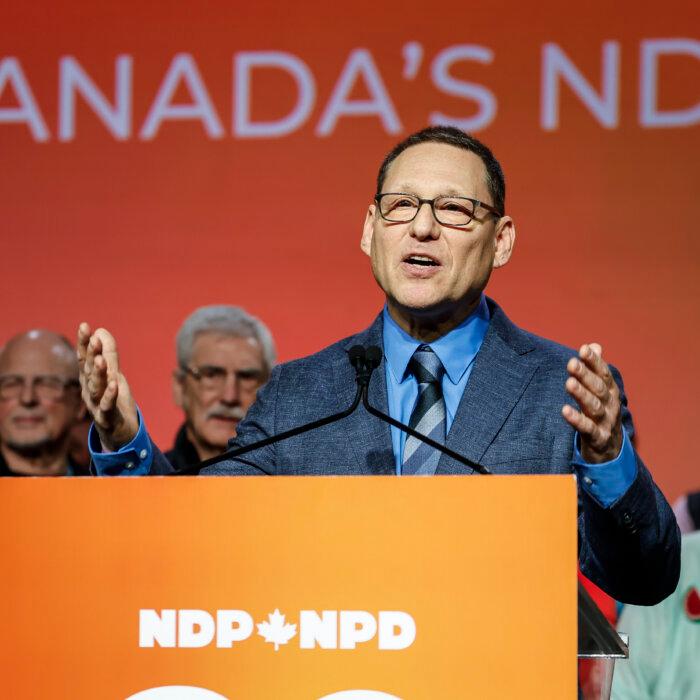
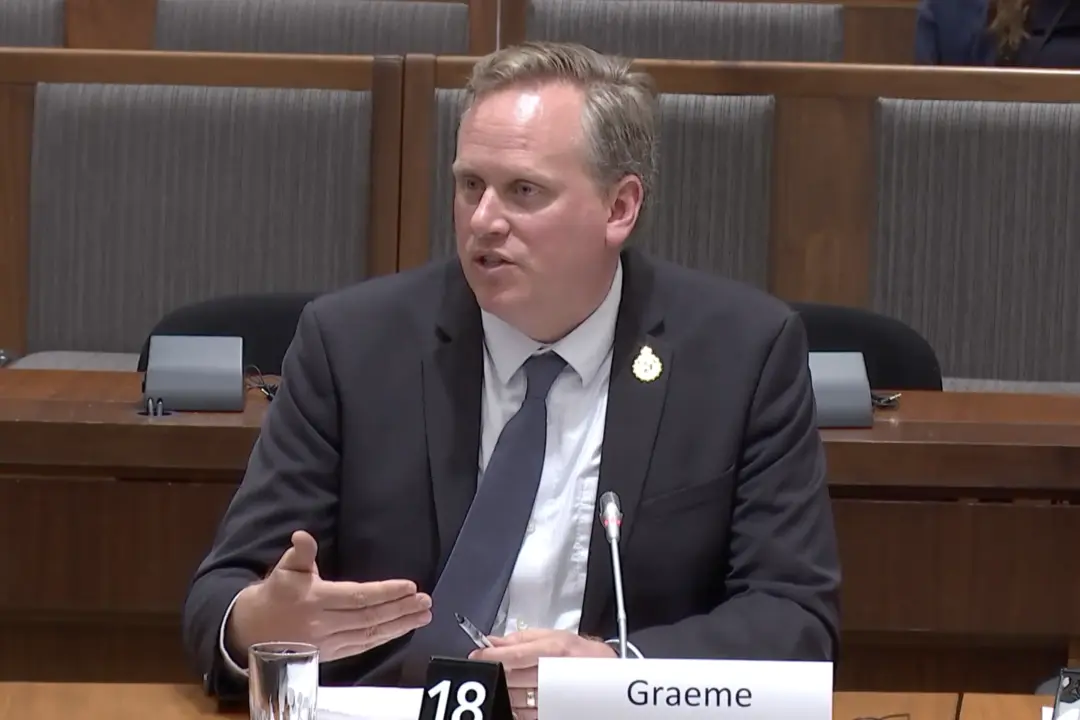
NDP parliamentary leader Don Davies says the funding will be used to hire research and support staff to help the caucus carry out its parliamentary duties.
He had advocated for the NDP to get an exemption to the funding rule last year, after the loss of seats.
Davies says the funding is based on how many MPs were elected at the start of Parliament, so it will not be lost if Quebec NDP MP Alexandre Boulerice leaves the federal party to join the Quebec Solidaire ahead of Quebec’s general election this fall.
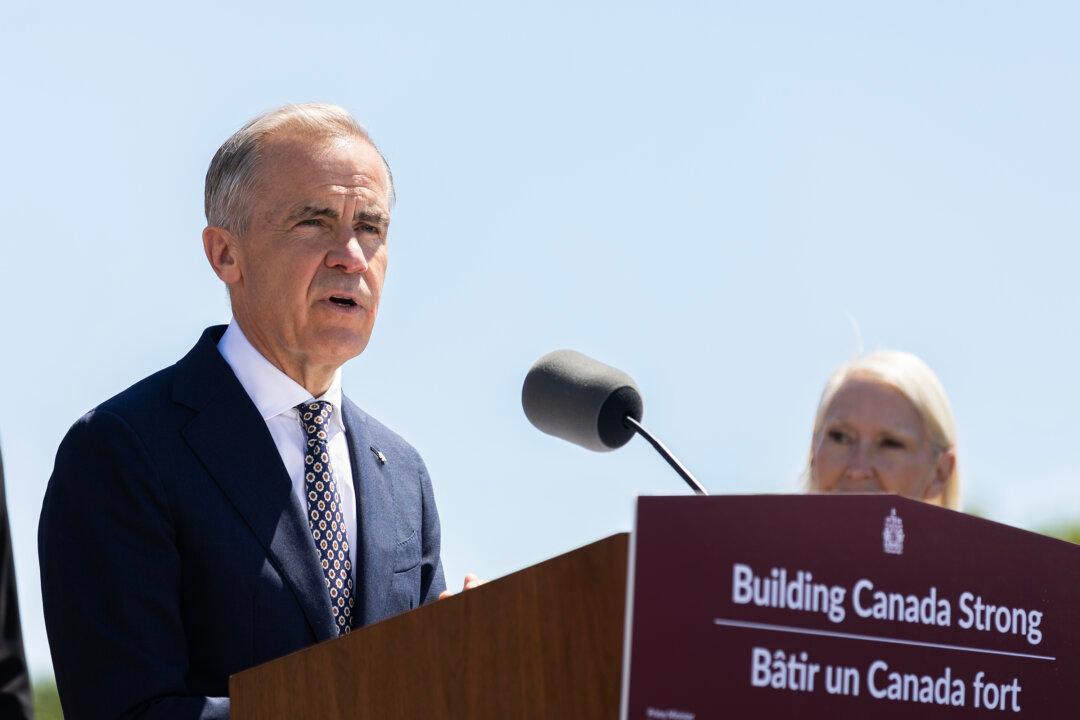
Government House Leader Steven MacKinnon confirmed the reinstatement of parliamentary funds for the NDP while speaking to reporters on April 15. He said the decision was made by the Board of Internal Economy, of which he is a member.
“All parties on the Board of Internal Economy opted to reallocate,” MacKinnon said. “I want to stress there’s no new funding involved here, and there was a reallocation that indeed gives some resources to the New Democrats.”
“The money is coming from the allocation to the Parliament of Canada,” he added. “So again, no new money.”
MacKinnon told reporters that the conversation around reinstating funding for the NDP began after the federal election last year. He noted Davies had meetings with all parties on the matter.
“After many discussions between Bloc Québécois, the Conservatives, and ourselves, we came to an agreement which satisfies everyone,” MacKinnon said in French.
The funding, including the $669,780 allotted to the NDP, is based on the number of members elected, the document says.