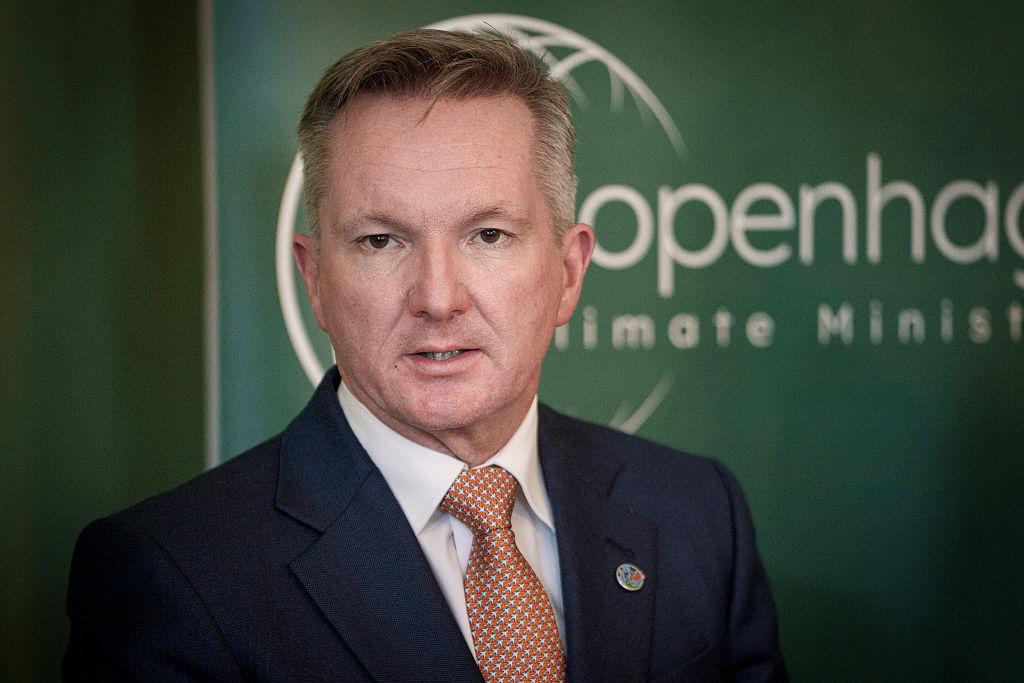
A pricing dispute over multiple sclerosis (MS) medicines has been resolved after the federal health minister confirmed that the medicines will remain on the Pharmaceutical Benefits Scheme (PBS).
Following several days of uncertainty, Federal Health Minister Mark Butler announced that Ocrevus, along with other MS medicines, Kesimpta and Lemtrada, would remain on the PBS while the government undertakes a review of high-efficacy MS treatments and how they are assessed.
Manufacturer Calls Current Pricing System ‘Archaic’
In a statement provided to The Epoch Times, Roche Australia described the current pricing framework as “archaic,” warning that it risked forcing the removal of Ocrevus from the PBS.


“The cut, should it stand, would make it impossible to keep Ocrevus on the PBS and would lead to the Australian Government removing Ocrevus from the PBS,” Roche Australia General Manager Nic Horridge said on July 13.
He said the proposed price reduction would have disrupted treatment for thousands of Australians living with multiple sclerosis.
Under the PBS’s reference pricing framework, medicines considered to provide comparable therapeutic outcomes may be benchmarked against one another for reimbursement purposes.
Roche said the Department of Health had sought a “substantial price cut” for Ocrevus to remain on the PBS. While the government has not publicly disclosed the size of the proposed reduction, media reports estimated it to be up to 50 percent.
The manufacturer argued the reduction was commercially unworkable and would ultimately result in Ocrevus being removed from the PBS rather than remaining available at a lower subsidised price.
“Archaic pricing structures risk disrupting the continuity of treatment for thousands of MS patients,” Horridge said.
“Many patients would be required to start a new medicine which may not work as well for them, or cause them to face financial hardship to continue optimal treatment.”

Government Signals Broader Review, Opinions Mixed
Following advice from the Pharmaceutical Benefits Advisory Committee (PBAC), the Albanese government said the medicines would retain their PBS listings while a broader rapid review of high-efficacy MS treatments is undertaken.
The review of MS drugs is expected to be completed by December.
Speaking after the decision, Horridge welcomed the outcome but questioned the need for another review.
“It’s disappointing to hear that the Pharmaceutical Benefits Advisory Committee has recommended yet another review of high efficacy MS treatments,” he said.
“Based on the extensive and ongoing positive clinical evidence Roche submitted to the PBAC, it’s unclear as to what this review will achieve.”
He said patients wanted certainty rather than further assessment.
“Patients living with MS don’t need another review, they want confidence that they will continue to have access to these medicines.”
MS Australia, the nation’s advocacy organisation for multiple sclerosis, welcomed the review, saying it is an opportunity to advocate for affordable treatments and represent the interests of MS patients.
“We will continue working with government, clinicians and the MS community to help ensure decisions about MS medicines reflect the latest evidence and the needs of people living with MS, and secure access to a broad range of high-efficacy MS treatments.”
Broader Reform Agenda Around Pricing
The review, which started in October 2022 and completed in May 2024, made 50 recommendations to modernise the way medicines are evaluated for public funding.
A key priority is the Pharmaceutical Benefits Advisory Committee’s comparator selection process. It works by assessing new medicines against a current therapy to use as a comparator when determining its price.
The choice of comparator can ultimately influence the price at which a medicine is listed on the PBS.
“I have heard from industry that after many years of that system operating, we do need to make sure that it’s fit for purpose into the future.”
“We’ve seen the withdrawal of breast cancer and endometriosis drugs from the PBS; we’ve seen other drugs if they’re not in the process of potentially being withdrawn, being the subject of this sort of quite different posture on pricing from pharmaceutical companies.”
Butler said the review was not the only factor behind the recent dispute, pointing to broader changes in the global pharmaceutical market.
“I accept in the meantime not just as a result of that health technology assessment review but also as a result of what the U.S. administration has done around medicine pricing, there is significant disruption, frankly, happening to medicine pricing across the world and Australia is not immune from that,” he said.
“Pharmaceutical companies are taking, frankly, a more proactive approach to their pricing because they’re concerned about potential impacts in the U.S. market, which is such a big market for them.”