With older Canadians comprising the bulk of the majority, 52 percent of those polled across the country say they don’t believe they live on stolen indigenous land. Meanwhile, 27 percent think they do, while 21 percent either declined to answer or said they didn’t know.
When contacted for comment, UBC’s spokesperson Erik Rolfsen told The Epoch Times, “The university is not commenting since the matter is before the courts.”
Conducted by Leger Marketing for the Association for Canadian Studies, the survey indicates that a majority of respondents rejected the statement “I live on stolen Indigenous land.” The data break down into widely varying views depending on factors such as age, province, rural or urban residency, city, indigenous status, homeowners versus renters, employment status, and immigrants versus non-immigrants.
By age group, Canadians aged 65 and above formed the greatest percentage (65 percent) of those who answered “no,” they don’t live on stolen land, while only 15 percent answered “yes.” Those aged 55–64 comprised the second-largest “no” majority, at 59 percent, with 22 percent saying “yes.”
The trend of Canadians saying “yes,” they do live on stolen land, increases as age decreases, the poll indicates. The age group 44–54 saw 51 percent answering “no” and 26 percent saying “yes.”
Those aged 25–34 produced a draw, with 39 percent answering “no” and the same percentage saying “yes.” For the youngest group, 18–24, 41 percent said “yes” and 37 percent said “no.”
Opinions also varied across provinces, with Alberta voicing the loudest rejection that the land they were living on was stolen, with 60 percent answering “no” and 24 percent saying “yes.” Atlantic Canada was the region least likely to reject the idea that they live on stolen indigenous land, with just 44 percent saying “no” and 29 percent saying “yes.”
Views also differed in rural areas versus urban or suburban areas, with rural residents least likely to think they live on stolen indigenous lands. Among them, 56 percent said “no” and 24 percent said “yes.” For suburbanites, 50 percent said “no” and 29 percent “yes,” For urban dwellers, 46 percent said “no” while 34 percent said “yes.”
Across six cities, Calgary had the strongest rejection, with 69 percent saying “no” and 20 percent “yes.” The lowest rejection percentage came from Edmonton (41 percent said “no”) while the second-lowest rejection percentage was from the Greater Toronto Area (43 percent).
Student and employment status also played a role. Half of the students polled said “yes” while 30.9 percent said “no.” The unemployed also formed a “yes” majority of 37.4 percent, with 31.9 percent answering “no.”
Employed persons tended to disagree that they live on stolen land. Among full-time workers, 45.5 percent said “no” and 35.2 percent said “yes.” For part-time workers, 42.7 percent said “no” and 29.8 percent said “yes.”
Immigrants formed a slightly smaller “no” majority of 44 percent, with 28 percent saying “yes,” while 51 percent of non-immigrants said “no” and 30 percent said “yes.”
Indigenous populations tended to flip the script compared to non-indigenous groups. Among First Nations, Métis, and Inuk/Inuit combined, a full 53 percent said “yes,” they live on stolen lands. Only 36 percent said “no,” while 11 percent declined to answer. Non-indigenous individuals responded roughly in the reverse: 50 percent said“ no,” 29 percent said “yes,” and 21 percent chose not to answer.
Lawsuit
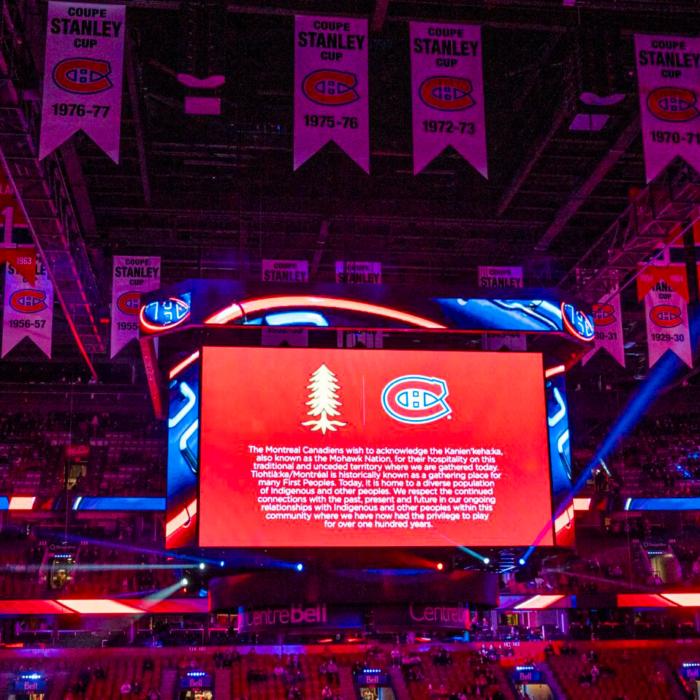
The term “unceded” was recently used in a speech from the throne during King Charles’s visit to Canada in May. He opened with the statement: “I would like to acknowledge that we are gathered on the unceded territory of the Algonquin Anishinaabeg people. This land acknowledgement is a recognition of shared history as a nation.”In the litigation against UBC, however, the plaintiffs said the declaration that land is unceded “is often considered synonymous or closely affiliated in meaning with the assertion that the territory of Canada is ‘stolen land’ and that the speaker, at least to some degree, and in this respect, does not recognize Canada as a lawful or legitimate state.”
“The UBC Administration has no business espousing political ideologies based in critical theory or any other political ideology,” said CCF counsel Josh Dehaas in the release.
“The job of the UBC administration is to ensure that the university is a place where students and faculty can follow the evidence wherever it may lead, rather than being told what to believe by administrators.”
“An appropriate way of following Musqueam protocol and honouring and showing respect to Musqueam is to acknowledge, at the beginning of an event, the presence of UBC’s Vancouver campus on Musqueam territory.”