Belarusian President Alexander Lukashenko said on July 6 that his country will not join the war in Ukraine, but vowed the nation would be defiant in the face of aggression.
“The Belarusian people endured unimaginable trials during the years of fascist occupation and reject war at the genetic level,” Lukashenko said in a speech to military graduates in Minsk, Belarusian state media outlet Belta reported.
“We are peaceful people, we do not want to fight, but we have no intention of bowing our heads before an enemy either,” he added.
He went on to say that the country doesn’t “need war” and that it is “bad” that there is currently a conflict going on in Ukraine.
“We are proponents of peaceful resolution of issues. But the international ‘party of war’ does not want this,” he said, adding that it is ”clear that the heirs of the Third Reich are tormented by phantom pains from the past military failures of their grandfathers and great-grandfathers.”
“The thirst for revenge gives them no rest,” he said.
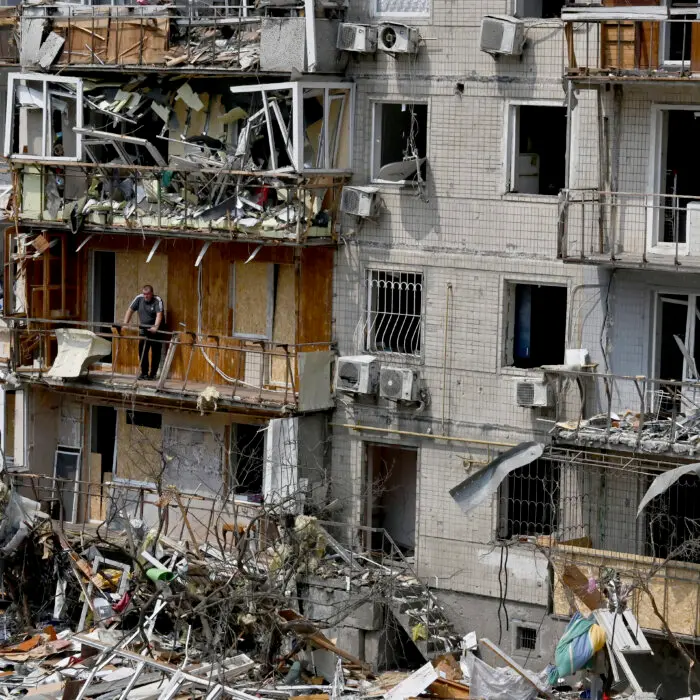
Elaborating on who the “party of war” was, Lukashenko said that “while hypocritically declaring its commitment to peace, the European Union has openly embarked on a path of militarization, which practically means NATO.”
“Billions are being spent on the procurement of offensive strike weapons. At the same time, absurd hysteria is being fanned around a sham ‘threat from the East,’” he said.
Lukashenko told the military graduates that “certain Western politicians are simply irritated by our autonomy and independence, our alliance with Russia, and our commitment to a peaceful settlement of the conflict in Ukraine,“ adding that ”no one is going to send you into this slaughter.”
Belarus is closely allied with Moscow and shares borders with Russia and Ukraine, as well as the three NATO states of Poland, Lithuania, and Latvia.
Although Lukashenko has not sent Belarusian troops to fight alongside Russia, he did allow Russian President Vladimir Putin to use the country as a launchpad to invade Ukraine and later agreed to let Russia station tactical nuclear missiles on its territory.
Belarus also conducts frequent joint military exercises with Russia and allows Moscow to use its bases and training grounds.
The denial came in response to a June 24 report by The Wall Street Journal claiming that Moscow wanted to use its neighbor as a springboard to step up attacks on Kyiv, and that the Kremlin was threatening to cut financial support to Minsk if it did not agree.
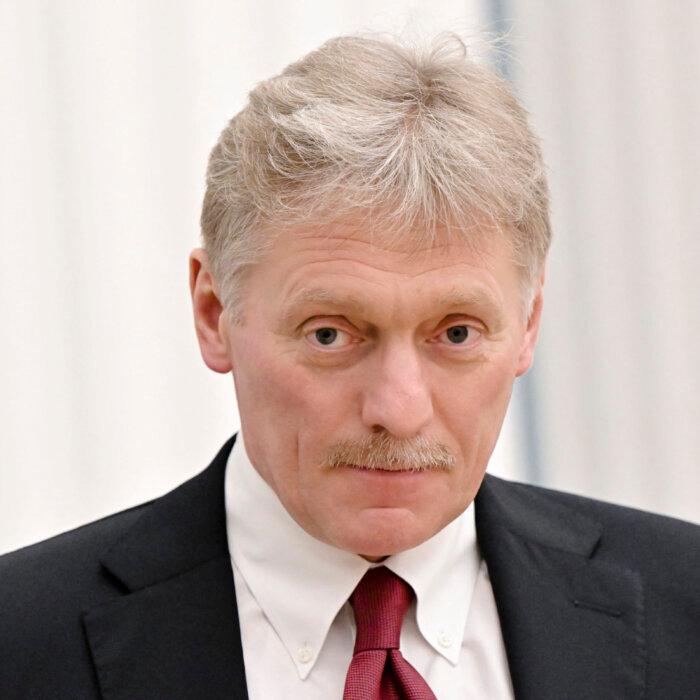
When asked about the report during a news briefing on June 25, Kremlin spokesman Dmitry Peskov described it as “completely untrue,” according to Russian state news agency TASS.
“We have the Union State and a broad range of joint projects on the agenda,” Peskov said. “We have the most advanced form of integration with Belarus, and Belarus remains our closest ally.”
The “Union State” is a supranational organization formed by Russia and Belarus to deepen political, economic, and military integration between the two nations.
Ukrainian President Volodymyr Zelenskyy has repeatedly said he believes Moscow wants to get Minsk more involved in its attack.
“Important work lies ahead in Ankara. We expect a strong and productive NATO Summit. Decisions are needed now that will provide greater protection for our people, more capabilities for our defense, and even stronger security cooperation between Ukraine, Europe, and the United States,” Zelenskyy said in a July 7 post on X.
Trump departed Joint Base Andrews late in the evening of July 6 for the summit.
During the summit, hosted by Turkish President Recep Tayyip Erdogan, leaders are expected to review progress on the alliance’s defense spending commitments and burden-sharing goals.
Trump is expected to arrive in Ankara on the afternoon of July 7 and will be welcomed by Erdogan with a state arrival ceremony and honor guard review.
The two leaders are set to hold a bilateral meeting before joining the NATO leaders’ social dinner, White House spokeswoman Anna Kelly told reporters during a call previewing the summit.
Trump is also scheduled to hold bilateral meetings with Zelenskyy and Syrian President Ahmed al-Sharaa on the sidelines, Kelly said.
This year’s summit comes amid continued pressure from the Trump administration for allies, particularly in Europe, to increase defense spending and assume a greater share of the alliance’s security responsibilities.
U.S. Ambassador to NATO Matthew Whitaker told reporters during the preview call that the “United States remains a proud NATO member,” but added that Washington has “responsibilities elsewhere in the world as the world’s only superpower.
“This Ankara summit is really the time for our allies to step up,” Whitaker added.