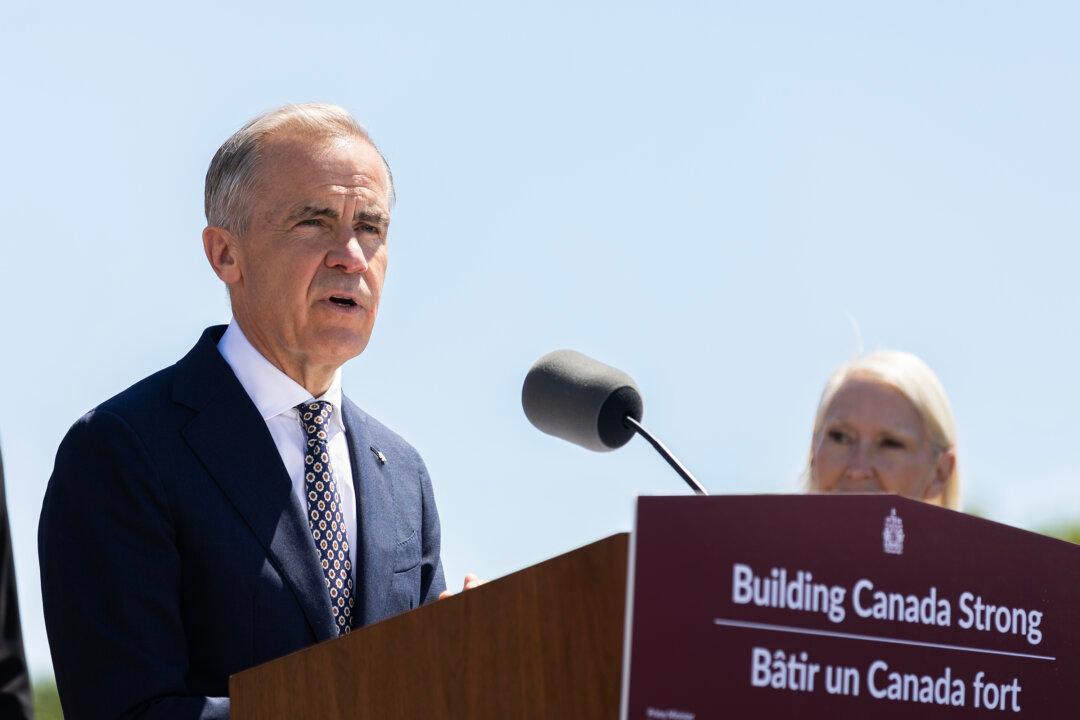
The Liberal government has tabled legislation aiming to protect victims of intimate partner and sexual violence, while expanding measures to protect children from predators.
“We have an opportunity to better protect kids who are at risk of exploitation, and to address very real concerns about violence against women, including violence that could be fatal,” Justice Minister Sean Fraser said during a Dec. 9 press conference.
The bill would also criminalize coercive control to support intervention before intimate partner violence becomes lethal. The justice department said abuse often escalates through patterns of control prior to the onset of physical violence.
The introduction of a new offence would allow the justice system to “intervene before a relationship becomes violent, and before violence becomes fatal,” Fraser said.
The legislation would modify sexual violence protections by prohibiting the distribution of non-consensual sexual ‘deepfakes,’ increasing penalties for distributing intimate images without consent, and increasing penalties for sexual assault on summary conviction.
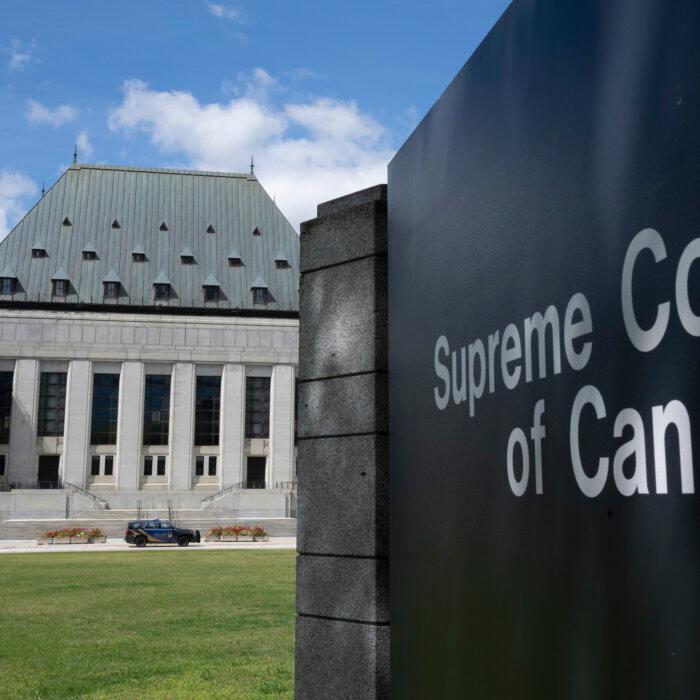

The legislation also aims to strengthen mandatory minimum penalties of imprisonment for those who possess or access child sexual abuse and exploitation material. This would include restoring roughly a dozen mandatory minimum prison sentences for a range of child sexual offences that were previously struck down by courts. Fraser said the restoration would be executed in accordance with Supreme Court of Canada directives.
Child-Related Offences
The legislation proposes more stringent measures to address online sexual exploitation and child luring, including the criminalization of threats to share child sexual abuse and exploitation materials.The legislation would also extend the limitation period for the prosecution of offences under the Mandatory Reporting Act from two to five years, thereby enabling authorities to pursue predators who sexually exploit children abroad. Online platforms would also be required to preserve data for one year instead of 21 days.
The legislation would create a new offence of recruiting youth into crime and increase the severity of sentencing laws to prevent them from being exploited into criminal activity.
Fraser said the bill would streamline the procedure for citing evidence in sexual assault trials, while also encouraging the courts to explore remedies beyond simply staying proceedings.
Fraser said he was not comfortable with the threat of a case being dismissed for delay, “knowing the consequence would be the survivor of sexual violence may have their perpetrator go free despite having committed the crime.”