The Supreme Court of Canada has ruled that mandatory minimum sentences for possessing or accessing child pornography are unconstitutional.
The Crown brought the case to the Supreme Court, arguing that sentences must reflect the reprehensible nature of the offences. Prosecutors said the sentences also need to reflect the harm done to victims, their families, and society.
The Supreme Court said that although the sentences contribute to denunciation and deterrence, they do not allow for judges’ discretion to impose sentences other than imprisonment.
The Supreme Court judges wrote that “it must be recognized that these offences can be committed in different ways, under different circumstances and by different offenders.”
The decision said the offence can cover “a very wide range of circumstances”—from a “well-organized offender” that has “accumulated thousands of files” to a “young 18‑year‑old offender who, one day, keeps and views a file showing a 17‑year‑old victim that was sent to the offender without them having requested it.”

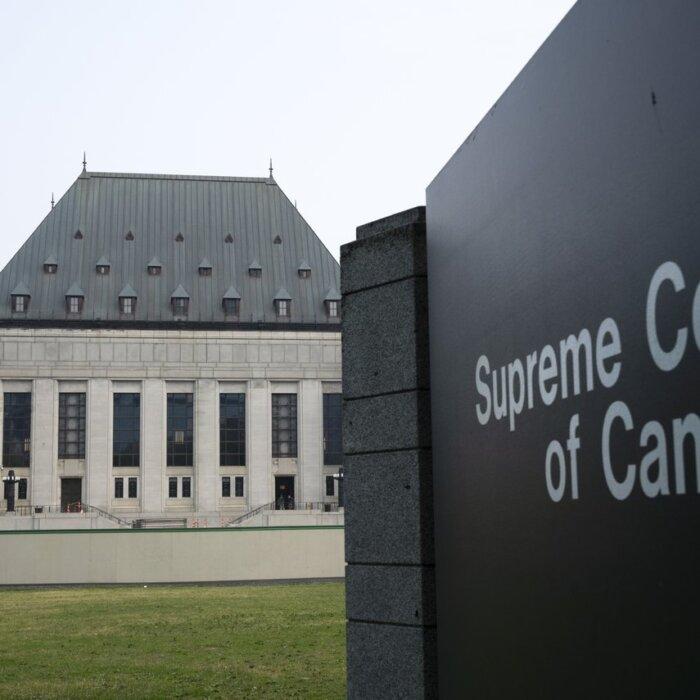
The decision affirms a Quebec Court of Appeal ruling, which said the mandatory sentences violated the Charter right against cruel or unusual punishment.
Dissenting Opinion
In the dissenting opinion included in the Oct. 31 decision, the other four justices—Richard Wagner, Suzanne Côté, Malcolm Rowe, and Michelle O’Bonsawin—said the appeal should be allowed.They argued that it had not been shown that the minimum sentences for child pornography crimes “constitute cruel and unusual punishment.”
“The censure of society and the law must be reflected consistently and rigorously in the sentences imposed on offenders who are guilty of sexual offences against minors,” they wrote.
“Through the imposition of more severe sentences, the justice system expresses society’s deep and rightful indignation.”
They also said that a sentence that is excessive “does not cross the constitutional line.”
“A sentence that is merely disproportionate also does not cross the constitutional line; it must be so grossly disproportionate that Canadians would find it abhorrent or intolerable,” the dissent said, adding that in order to cross the constitutional line, the sentence must be severe enough to “shock the conscience of Canadians.”
Politicians Respond
Conservative Leader Pierre Poilievre responded to the Supreme Court decision in a social media post, saying that if he was the prime minister, he would invoke the notwithstanding clause of the Charter to overrule the decision.Alberta Premier Danielle Smith also reacted to the court decision, calling it “outrageous.”
Smith called on the federal government to “immediately” invoke the notwithstanding clause to “overturn this ruling” and to “ensure the protection of our children.”
Ontario Premier Doug Ford also called on the federal government to invoke the notwithstanding clause to overturn the decision.
Conservative Party of B.C. Leader John Rustad called on the province’s Premier David Eby to “immediately” direct Crown prosecutors to “pursue the harshest possible sentences” in child exploitation cases.
The office of Justice Minister Sean Fraser said that his department is currently reviewing the court’s decision.
“Crimes that exploit or abuse children are among the most serious and reprehensible in our society,“ spokesperson Lola Dandybaeva said in an email. ”Plain and simple: child abusers should face the toughest penalties Canadian law allows.”
Dandybaeva said the government plans to introduce “new measures” in the coming months to “better protect children from horrific crimes.”