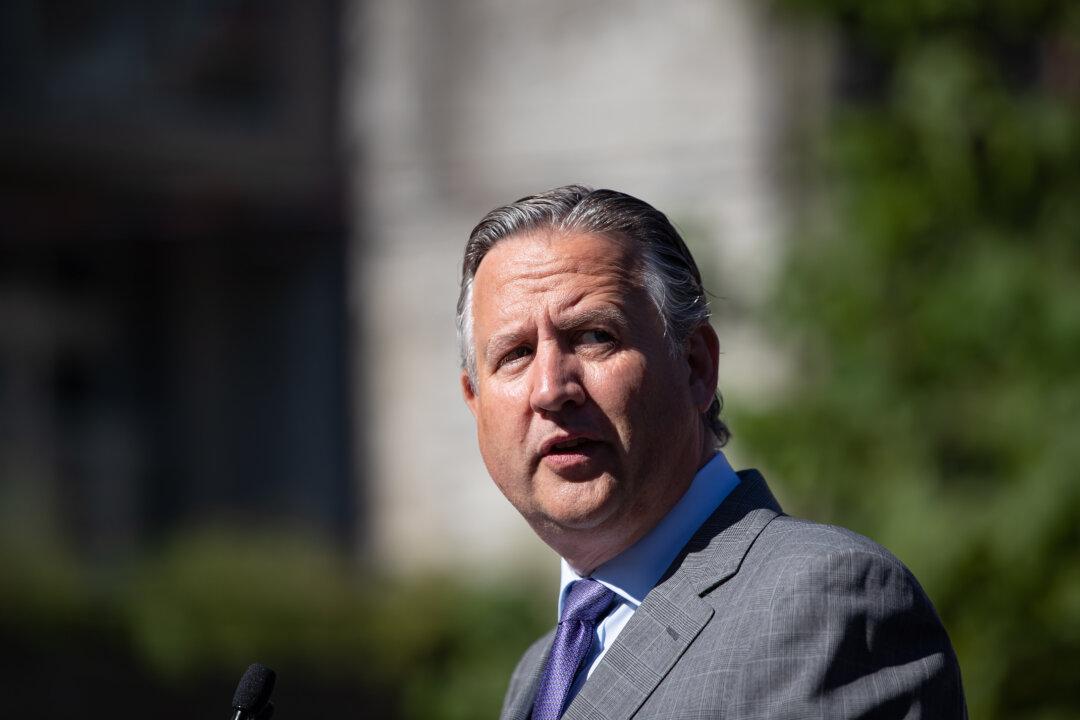
Finance Minister François-Philippe Champagne says the government will present an economic update at the end of this month, with the update expected to show how Canada’s fiscal position has shifted since the 2025 budget was tabled last fall.
Larger Deficits
The Parliamentary Budget Officer has cautioned that further spending commitments from Ottawa could cause larger deficits if economic growth turns out to be weaker than projected.New Policies
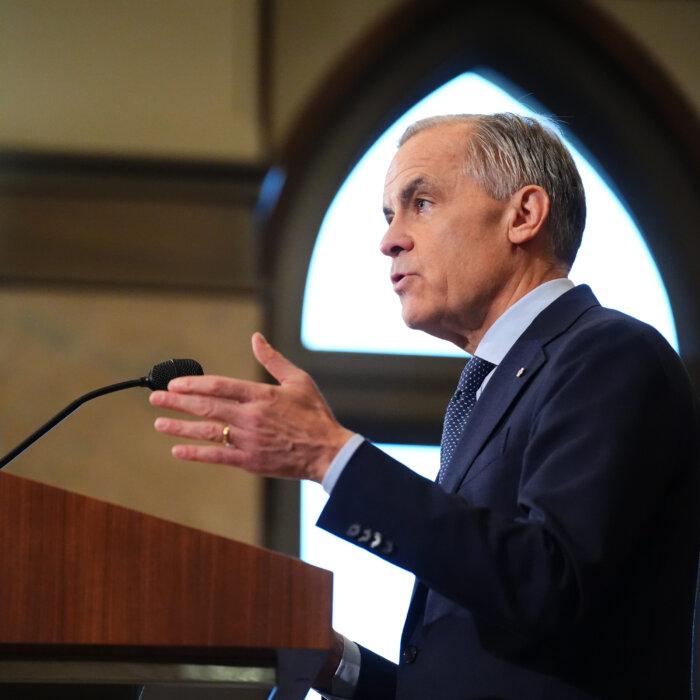
The spring economic update will also take into account several policy measures put in place since last fall’s update, including a planned increase to the GST credit for lower-middle and low-income Canadians and an upcoming temporary waiver of the federal fuel excise tax. The waiver takes effect April 20 and is set to run until Sept. 7.The fuel excise tax relief amounts to roughly 10 cents less per litre of gas and four cents less per litre for diesel. It was presented by Carney on April 14 as an aid to “build a stronger economy, a more affordable economy,” as well as reduce operating costs for truckers and businesses in various sectors including agriculture, food, construction, and delivery services.
Global Uncertainty
The upcoming spring economic update announced by Champagne comes amid economic uncertainty worsened by the war in Iran, which has caused trade disruptions, oil price hikes, and inflation.
Fuel prices have increased significantly in Canada since the war began at the end of February, with Natural Resources Canada estimating that the average gas price in Canada has gone up by about 50 cents per litre over the past two months.
Conflict in the Middle East has sent energy prices surging, putting a pinch on consumers at the gas pumps and threatening to push inflation higher in the coming months.Higher global prices on gasoline also tend to boost federal tax revenues and lift economic activity in oil-producing regions of the country, including in Alberta and Saskatchewan.
The Bank of Canada said in a January report that global uncertainty and geopolitical tensions are a key risk for Canada’s economic outlook going forward.
GDP Growth
Carney said on April 14 that Canada’s GDP shrank in the fourth quarter of 2025, but showed signals of rebounding in the first two months of this year. He also mentioned forecasts from the International Monetary Fund released earlier on April 14 that he said show Canada is the “second-fastest growing economy in the G7.”The IMF said the 1.7 percent rise in Canada’s real GDP last year amounts to roughly half the rate of the global average and falls short of the 2.1 percent growth in real GDP experienced last year in the United States.
The Canadian Press contributed to this report.