The predominantly Kurdish Syrian Democratic Forces (SDF), on Jan. 30, announced a new cease-fire agreement with Syria’s de facto interim government following recent weeks of clashes across the country.
Syria’s new government came to power in December 2024, following years of civil war against the country’s former leader, Bashar al-Assad.
The country’s new interim president—Ahmad al-Sharaa—has since tried to unify the war-torn country under his leadership, and has pressed for the Kurds to fold their forces into the army of the new Syrian government. But the Kurds have remained skeptical of the integration process, and Syria has seen sporadic bouts of fighting in the year since Sharaa’s forces swept into Damascus.
Past cease-fire agreements in Syria—including an agreement announced on Jan. 18—have faltered under the weight of these continuing clashes between the SDF and the new government.
In their Friday press statement, the SDF said this latest cease-fire deal will see military forces withdraw from some areas of recent fighting, while allowing the security forces of the Syrian Ministry of Interior to enter into Kurdish strongholds in al-Hasakah and Qamishli.
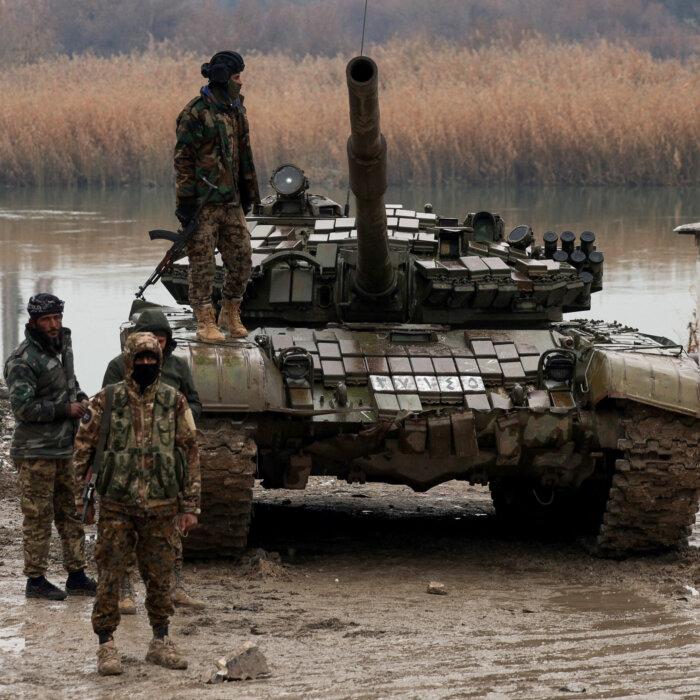
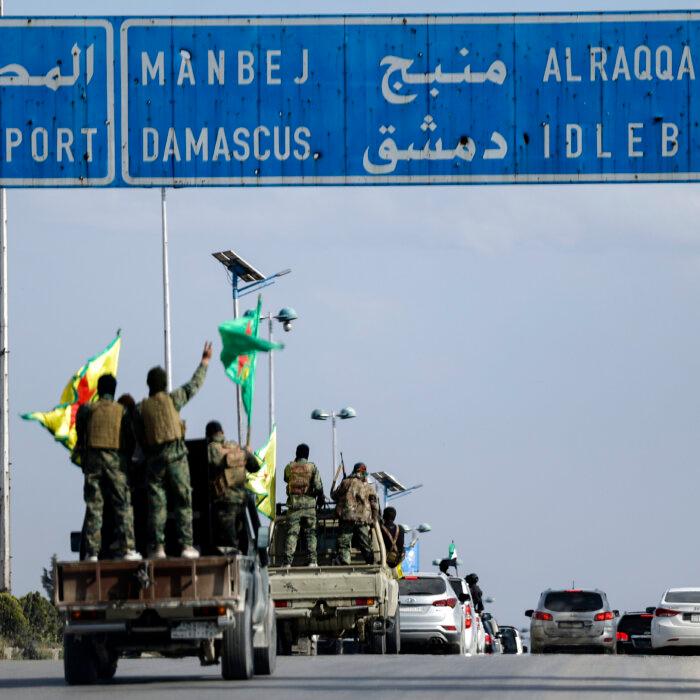
Beyond military integration, both parties said this new agreement will also allow for “self-administration institutions” within the new Syrian governance framework.
“An agreement has also been reached on the settlement of civil and educational rights for the Kurdish people, and guaranteeing the return of the displaced to their areas,” the SDF added.
The deal upholds provisions to recognize Kurdish as a national language within Syria, and allows for its teaching and preservation within Kurdish areas of the country.
For the Syrian government, Barrack said the agreement “demonstrates a steadfast dedication to genuine national partnership and inclusive governance.”
Barrack said the provisions of the agreement also “correct longstanding injustices, affirm the Kurds’ integral place within the Syrian nation, and open pathways for their full participation in shaping a secure, prosperous, and inclusive future.”
The U.S. envoy also noted a new decree Sharaa issued, reversing past policies that had deprived Kurds of their citizenship rights.
“Together, these developments pave the way for rebuilding institutions, restoring trust, attracting the investment essential for reconstruction, and securing lasting peace for all Syrians,” he said.