Mixed Messaging
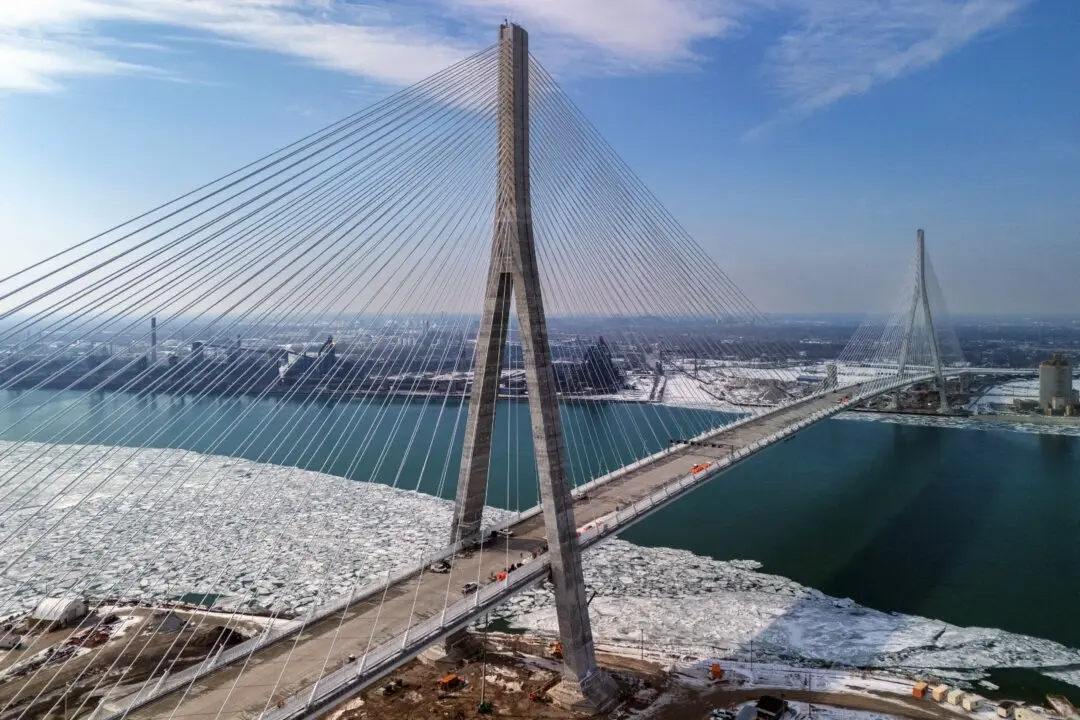
The full text of the agreement, posted online on July 21, said Canada will share 50 percent of the bridge’s net revenue during its first 15 years of operation with an economic development fund that is “solely controlled” by the U.S. government.The document defines net revenue as “all revenues collected with respect to the bridge,” minus the operating costs. The agreement does not mention interest costs or repayment of the construction debt of the $6.4 billion bridge, which the Canadian government paid for.
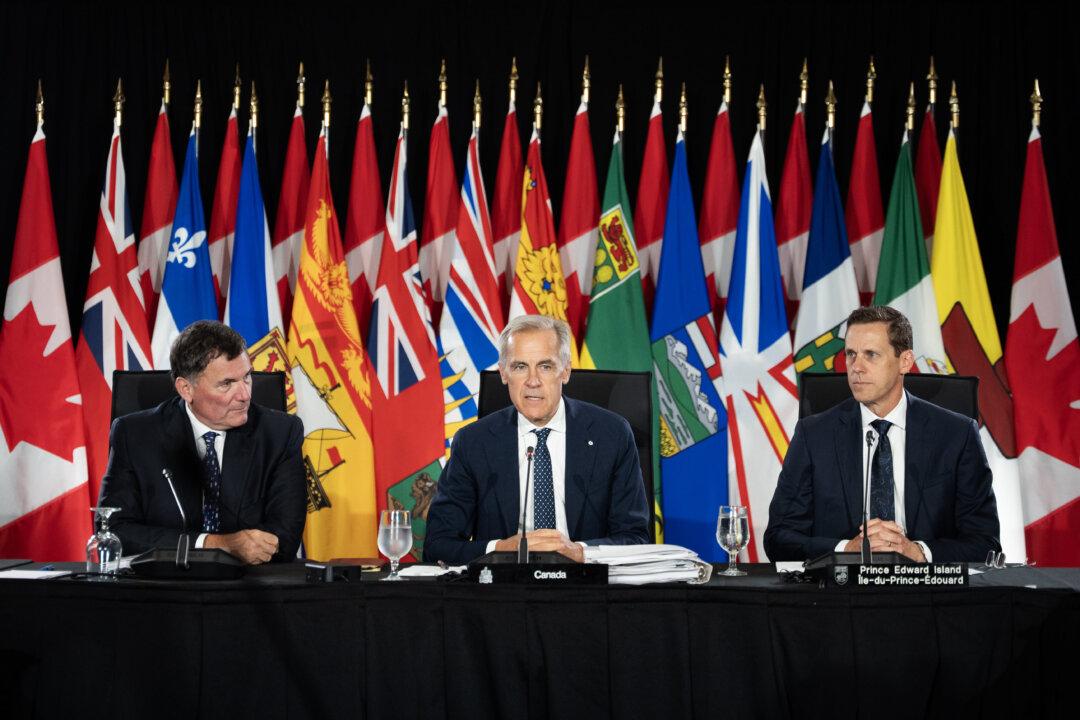
This differs from comments Prime Minister Mark Carney made on July 12, when he said the “net profits” would be 50–50 with Washington after Canada was repaid its debts.
The prime minister later told reporters on July 16 that Ottawa would split revenues with the United States over the first 15 years “after operational costs,” with expenses including staffing, maintenance, and snow removal. He reiterated that the sharing of toll revenue would not happen until Canada’s debt is repaid.
On July 23, Carney was asked by a reporter if he had told a “lie” about the details of the agreement, and said he had referenced the terms of the deal “perhaps imperfectly.” Carney said he had been referring to the original deal with Michigan that has no sharing of tolls until Canada’s debt is repaid, while “in parallel” there is a 15-year agreement for payments to Washington based on net revenues after operating expenses.
How the Deal Differs From the Original One
The original 2012 agreement on the bridge stated that 100 percent of the tolls collected from it would go to the Canadian government, given that the country had agreed to front the full cost of construction for the bridge. After Canada has fully recouped the costs after several decades, half of the toll revenue would go to the state of Michigan.
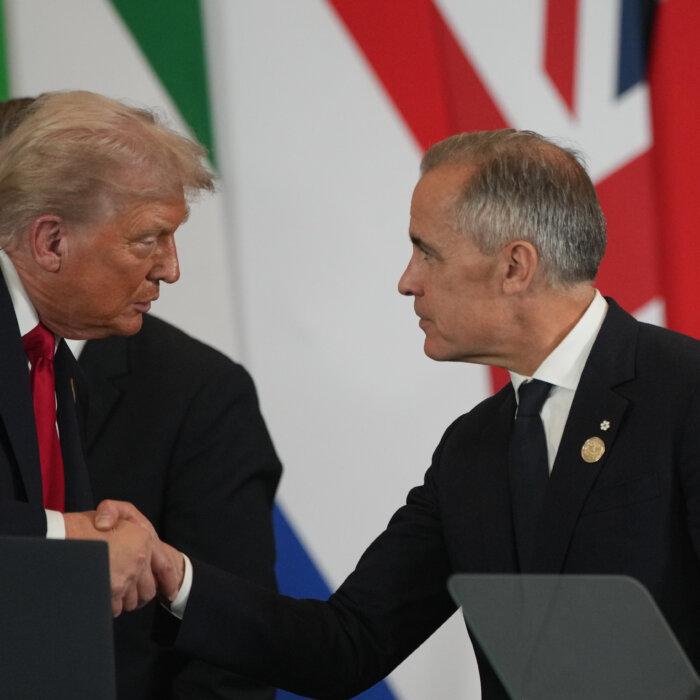
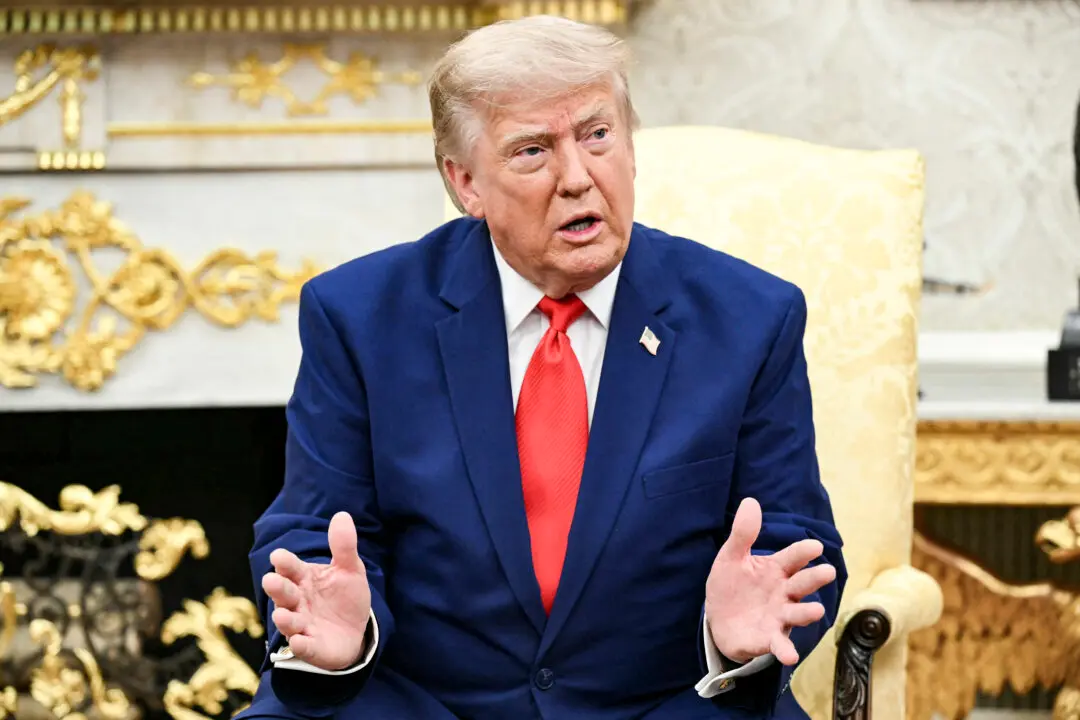
U.S. President Trump first threatened to delay the opening of the bridge in February, saying his country should be compensated for “everything we have given [Canada].” Then in June, Carney said the United States had requested that the bridge’s opening be delayed as they worked through “what issues they have.”
The two countries came to an agreement on July 10 to open the bridge, with Canada set to receive just 50 percent of the bridge’s toll profits over the first 15 years, with the other 50 percent going toward an economic development fund for the region that is controlled by Washington.
Controversy With Ambassador Bridge Owners
The Windsor-Detroit corridor in Ontario is an important area for trade between Canada and the United States. Commercial traffic between the two countries has lessened on the Ambassador Bridge while increasing on the Blue Water Bridge in Sarnia, Ont., where the tolls are lower.The commercial tolls on the Ambassador Bridge come in at $28 per axle, while the Blue Water Bridge charges $7 per axle. The Gordie Howe Bridge will charge $12 per axle, making it a direct strong competitor with the privately owned Ambassador Bridge.
Reactions
The Conservative Party had been critical of the Liberal government for not sharing the full bridge agreement with Canadians“Just profit sharing on a bridge 100% built with our tax dollars. The opposite of what you said. How do we trust anything else you say about dealing with the U.S.?” Poilievre said on social media.
Ontario Premier Doug Ford said he believed Carney had done an “excellent job getting this deal done, getting $300 billion of goods across the border to create more opportunities, more jobs.”
U.S. Ambassador to Canada Pete Hoekstra said the agreement was revisited because the project was delayed and came in over budget, requiring the original terms to be reconsidered. He also said the new bridge is diverting revenue from the existing privately owned bridge rather than generating entirely new revenue.