Jordan said it intercepted five missiles launched from Iran early on July 29, as military exchanges spread across the Middle East following renewed fighting between Washington and Tehran.
The Jordanian Armed Forces said its air defense systems detected the missiles through its surveillance and monitoring network before intercepting and destroying them in line with approved rules of engagement.
In a July 29 statement carried by the Jordan News Agency, which describes itself as the kingdom’s “official and sole news agency,” the military’s official spokesperson said the Jordanian military would continue responding decisively to any threat targeting Jordan’s security or the safety of its citizens.
Iranian state-run IRNA news agency said on July 29 the missiles were aimed at U.S. military facilities in Jordan.
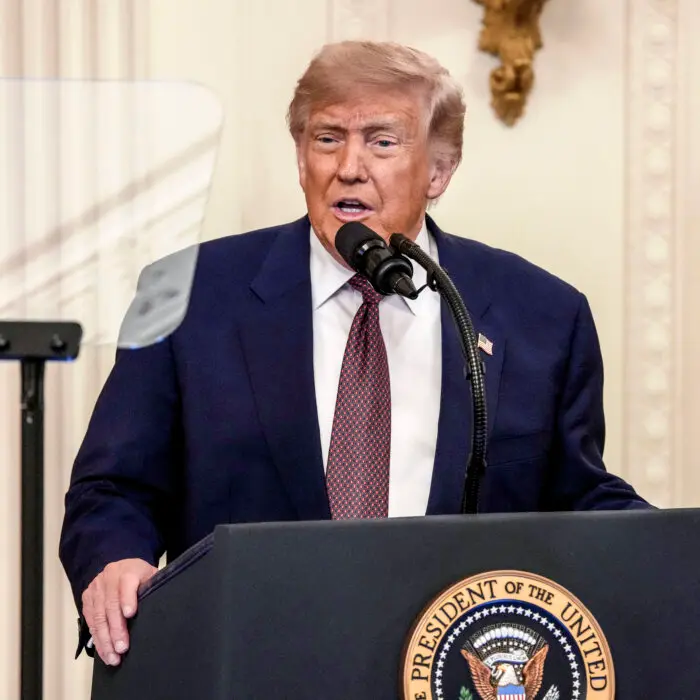
Trump said on July 27 there were “good talks” underway with Tehran but warned that U.S. strikes could resume if negotiations failed to produce results. Iran has denied seeking to restart negotiations with Washington.
US, Saudi Strike in Iraq
The escalation of military action in the region also saw U.S. and Saudi forces strike targets across eastern Iraq on July 28.
U.S. Central Command said in a July 29 post on X that the attack was against “Iran-aligned terrorists that the Islamic Revolutionary Guard Corps (IRGC) directed to attack U.S. forces and Saudi energy infrastructure.”
Central Command said that more than 30 IRGC-directed aerial drone attacks had been carried out against U.S. forces in the past 72 hours, but they “were not successful.”
Saudi Arabia said the coordinated strikes followed attacks on its oil infrastructure.
Maj. Gen. Turki Al-Maliki, the Saudi Ministry of Defense’s official spokesperson, said on July 29 that Saudi air defenses intercepted and destroyed several drones targeting petroleum facilities in the Eastern Province and Riyadh regions.
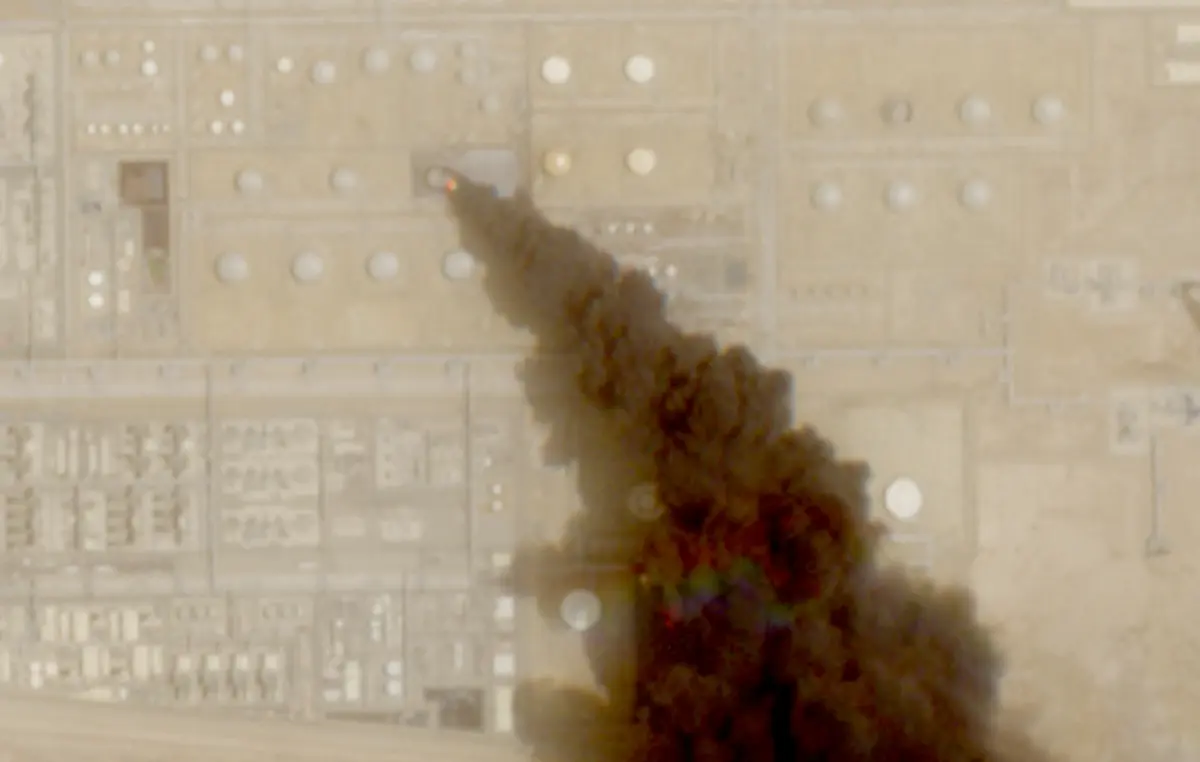
Al-Maliki said the attacks were launched from Iraqi territory by Iran-aligned militias.
“The Kingdom emphasizes that it does not seek escalation but will respond to any aggression it faces,” Al-Maliki said in a statement published by the Saudi Ministry of Defense on X.
The IRNA news agency, citing Iraq’s Popular Mobilization Forces, reported that at least 20 people were killed and 32 injured in what it described as a “US-Saudi assault on Iraq,” adding that the casualty count was expected to rise.
The figures could not be independently verified.
Attacks on Saudi Targets
The Iran-aligned Houthis in Yemen announced new military operations against Saudi Arabia as regional tensions continued to rise.
Yahya Saree, spokesperson for what the Houthis call the Yemeni Armed Forces, said on July 28 that Houthi forces had targeted the Saudi oil tanker NCC Ghazal with ballistic missiles, accusing it of violating a maritime navigation ban imposed by the group.
He added that Houthi forces would continue enforcing what he described as a maritime blockade against Saudi shipping “as part of the equation of ‘blockade for blockade’ and ‘comprehensive escalation for comprehensive escalation.’”
Saree separately claimed on July 29 that Houthi forces shot down a Saudi “Karayel” reconnaissance aircraft over Yemen’s Saada governorate.
Saudi Arabia did not immediately comment on either claim.
The Houthis announced a blockade of Saudi shipping last week, raising concerns over another major maritime route after months of instability affecting commercial traffic across the region.
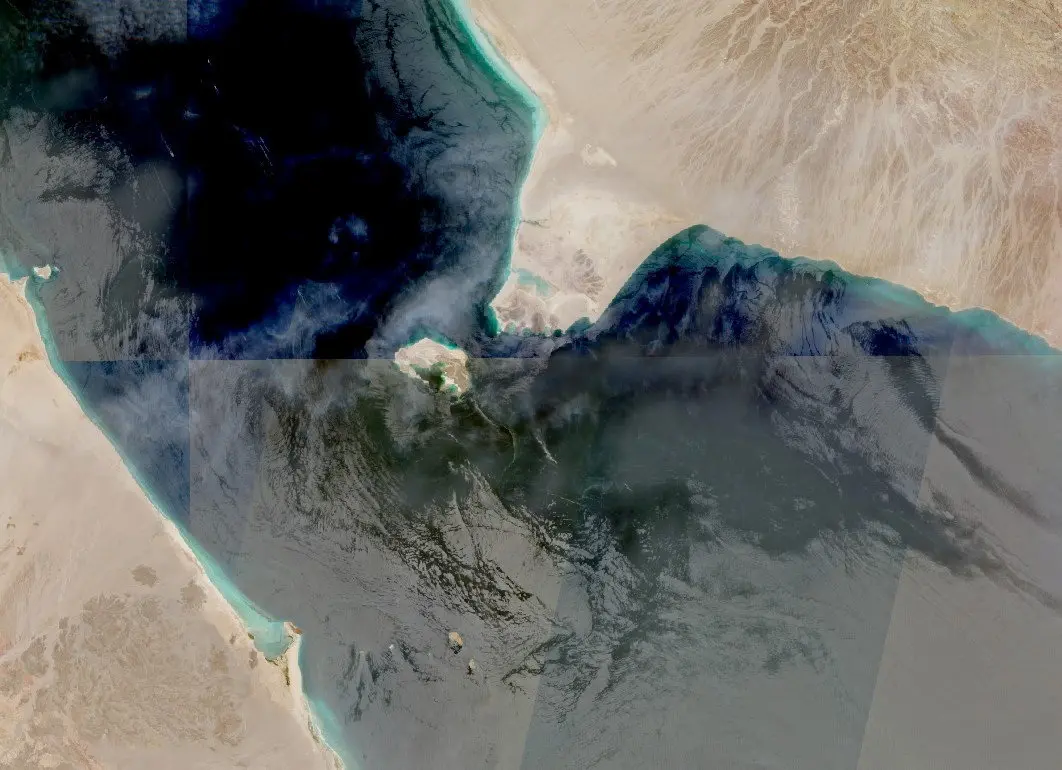
The U.K. Maritime Trade Operations (UKMTO) center said in a July 27 update that the master of a tanker reported hearing explosions while transiting the southern Red Sea.
The agency did not identify the vessel but said both the crew and the ship were safe. UKMTO did not report strikes against tankers in the Strait of Hormuz on July 29.
The United States has advised commercial vessels to travel closer to Oman’s coastline rather than near Iranian waters.
Iran said it continued to maintain full control over the Strait of Hormuz and would respond to what it described as “unlawful U.S. military interference.”
The renewed fighting sent oil prices rising 4.6 percent, with Brent crude futures trading at almost $88 a barrel at 5:30 a.m. ET. The price, which had briefly spiked above $100 last week for the first time since May, had tumbled into the mid-80s this week after it emerged over the weekend that Trump suspended an intensive bombing campaign after 13 days.
Prices surged above $100 a barrel last week for the first time since May as concerns over the conflict grew.