The United States has sanctioned a senior UK-based Egyptian Muslim Brotherhood (MB) official alongside six other individuals and entities that it said provided material support to terrorist group Hamas.
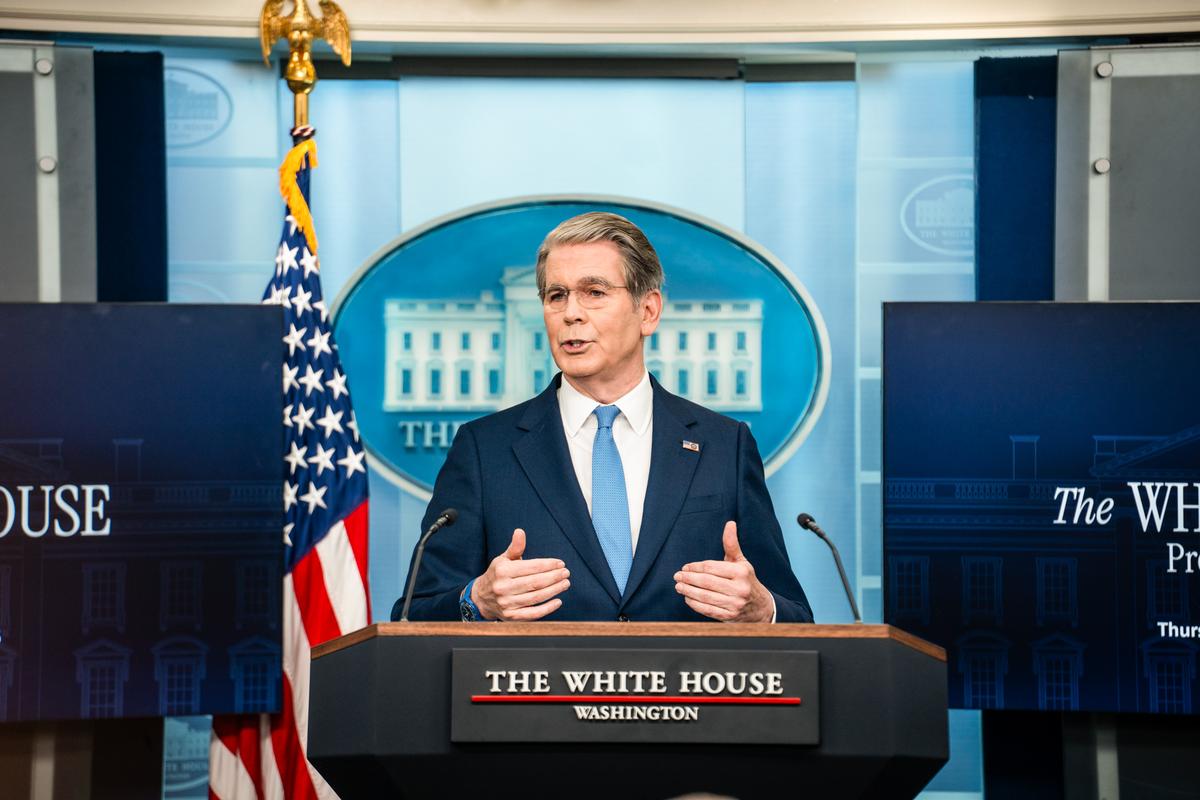
State Department spokesperson Tommy Pigott said on July 23 that the action exposes MB affiliates and “Hamas-directed front organizations that use charitable facades and underground networks to disguise and move funds in support of terrorism.”
The Department of the Treasury’s Office of Foreign Assets Control (OFAC) identified Mahmoud al-Abyari as one of the sanctioned individuals, describing him as the UK-based secretary general of the Muslim Brotherhood General Secretariat.
OFAC said al-Abyari helped raise funds for two organizations it had previously sanctioned over alleged Hamas ties—Filistin Vakfi and Hayat Yolu—and worked with MB groups to provide financial support to Hamas.
Two charities were also named, including Indonesia-based Tujah Bulah Global and Gaza-based Madad Palestine Charitable Society.
A Turkey-based money exchange rounded out the list. Treasury said El-Kahira for General Trading transferred hundreds of thousands of dollars to Hamas and separately provided underground banking services to organized crime groups in Sweden.

OFAC also designated three men connected to the firm: the owner, Khuldun Khamis Zakaria Alden, and shareholders Zaid Issam Ahmed Al-Jebouri and Abdullah Issam Ahmad Al-Jebouri.
“The Trump Administration will relentlessly pursue terrorists and those who finance them,” said Treasury Secretary Scott Bessent.
“Whether operating under the guise of charities, businesses, or underground financial networks, those who enable Hamas will be exposed, sanctioned, and held accountable.”
The measures build on designations announced in January and March that targeted Hamas financial facilitators, operatives, and MB-linked charities.
Pigott said on July 23 that Washington is “committed to dismantling the financial infrastructure that sustains Hamas and the MB.”
The sanctions freeze any property and interests in property of the designated individuals and entities that are in the United States or under the control of U.S. persons. The measures also expose foreign financial institutions to potential secondary sanctions if they knowingly facilitate significant transactions on behalf of sanctioned persons.
Different Approach
The latest U.S. action highlights a policy difference between Washington and London.
The UK has not proscribed the organization. The UK produced a review of the MB in 2015, which concluded that membership of, association with, or influence by the MB should be regarded as “a possible indicator of extremism.”
It said, however, that these factors alone were not sufficient to justify legal action. Downing Street also found that parts of the movement had used or supported violence in some countries, but stopped short of recommending a ban.

Former UK Commissioner for Countering Extremism Robin Simcox said the United States has taken a more robust approach than London toward MB networks operating in the UK.
Speaking during a Foundation for Defense of Democracies program on July 17, Simcox said, “This is a UK problem first and foremost, and we are not dealing with it in anything like the seriousness that the United States is, and that’s a major problem.”
Simcox said the British government, police, and security services have not considered the MB a sufficiently high priority compared with other terrorist threats.
He described that approach as “a massive strategic mistake” and said he hopes the latest U.S. measures will encourage the UK to revisit the issue.
The Epoch Times reached out to the UK Home Office for comment but didn’t receive a response by publication time.