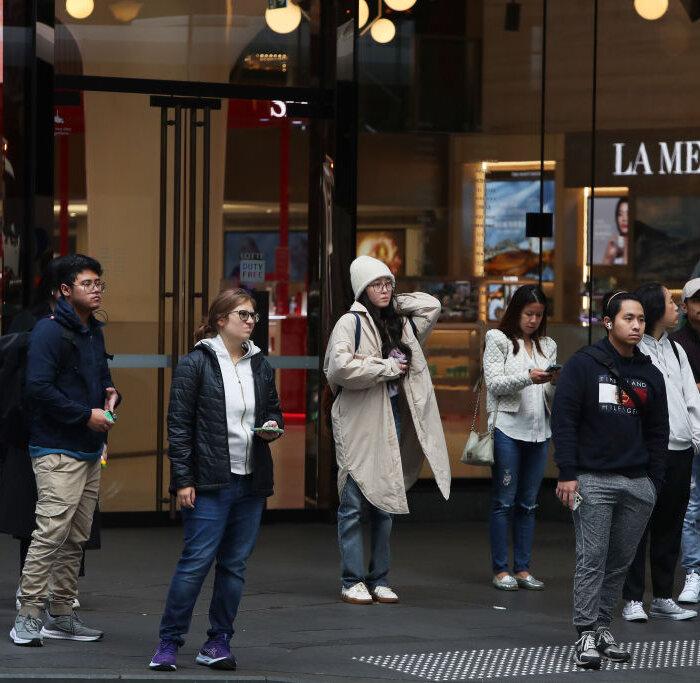
Adding 47,500 new jobs to an economy that already employs 14.4 million people might seem modest, yet this figure is more than double what many forecasters predicted.
While the unemployment rate remains at 4.2 percent, this increase could be enough to prevent the Reserve Bank of Australia (RBA) from lowering the cash rate, offering no relief to mortgage holders and a flow-on effect through the entire economy—especially retailers who are pinning their hopes on Christmas.
The latest labour force data was released just a day after the United States Federal Reserve cut interest rates by 50 basis points (half a percent), leaving borrowers wondering if the Reserve Bank of Australia would follow suit.
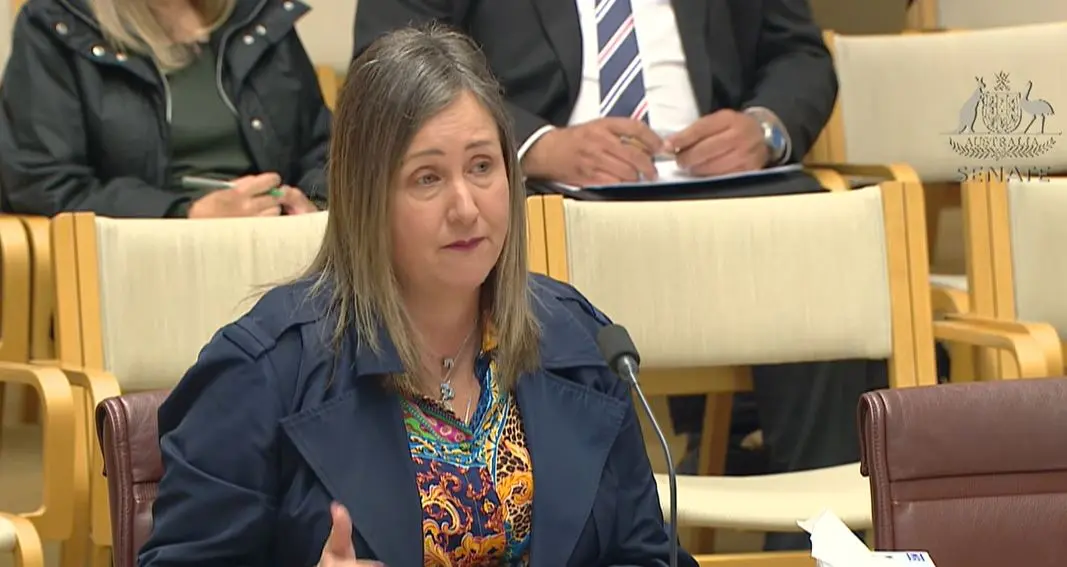
Ernst & Young chief economist Cherelle Murphy said the jobs market was still a source of inflationary pressure despite improvements over the past year.
Reserve Bank Pessimistic on Rates Cut
Two weeks ago, Governor Michele Bullock indicated that the RBA is not considering cutting interest rates in the medium term.However, she reiterated that the Bank is predicting that underlying inflation will be back within the target range by the end of next year, approaching the midpoint by 2026.
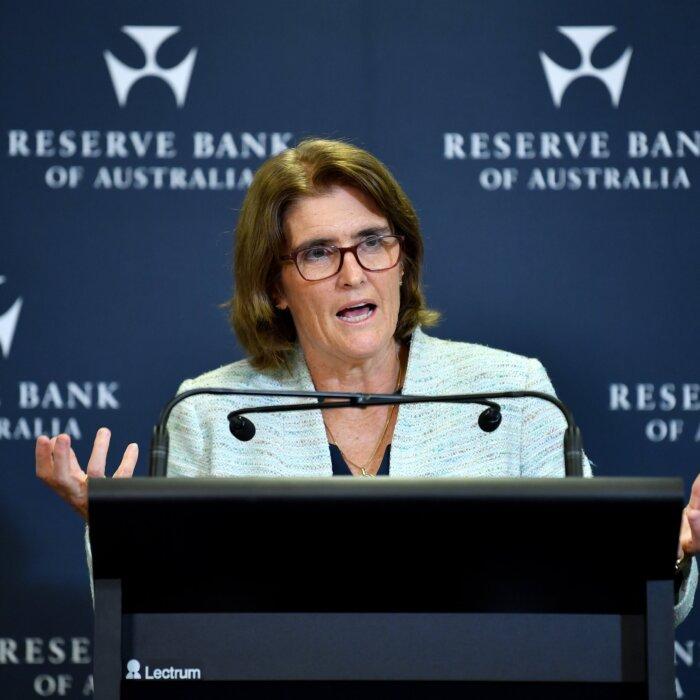
“The Board is trying to bring inflation back to target in a reasonable timeframe while preserving as many of the gains in the labour market that we have seen in the past few years as possible,” she said.
In contrast, New Zealand’s GDP contracted by 0.2 percent, but the country’s Reserve Bank had already moved to ease rates by 25 basis points to 5.25 percent on Aug 14 and flagged more cuts over coming months.
Last week, RBA assistant governor Sarah Hunter said Australia’s labour market remains tight relative to the concept of “full employment”—the ideal employment rate at which no workers are involuntarily unemployed, which aligns with low and stable inflation.
Public Sector Likely to be Driving Jobs Rise
HSBC chief economist Paul Bloxham suggested that the rise in job creation may be largely attributed to the public sector.“Although today’s monthly figures do not provide an industry breakdown, the latest quarterly figures clearly show public sector job creation has been picking up, while private sector employment has been slowing down,” he said.
This was consistent with GDP data showing that public demand supported economic activity while private demand decreased.
Michaelia Cash, Opposition workplace relations spokeswoman, said a leap in the number of part-time jobs and an increase in hours worked suggested Australians were having to work extra hours to make ends meet. She called for policies that aim to ensure employers have the right conditions to create jobs rather than the economy relying on public sector employment.
However, employment Minister Murray Watt made no apologies for hiring more people in the public service.
“I don’t see anyone out there saying that we need fewer nurses, fewer disability carers, fewer teachers in our economy,” Senator Watt said.
The following RBA rate announcement is expected on Sept. 24, following the board’s next meeting.