Akazawa, Tokyo’s economic revitalization minister, is bound for the United States for the fourth round of negotiations between Tokyo and Washington on May 30.
Other items on the table will include cooperation in shipbuilding, revisions to inspection standards for imported vehicles, and increased imports of American farm products, as Japan seeks concessions from the tariffs imposed by U.S. President Donald Trump.
“If defense equipment purchases and the like are included (in the trade balance), the United States will in effect accumulate a trade surplus. I think it could come into the picture (for negotiations),” Akazawa told reporters, according to Japanese news agency JIJI.com.
Akazawa is set to meet U.S. Treasury Secretary Scott Bessent on May 30 and attempt to steer Japan away from the 24 percent tariff rate it is facing, unless a deal can be struck by July.
“We plan to discuss trade expansion, non-tariff barriers, and economic security cooperation,” he said.
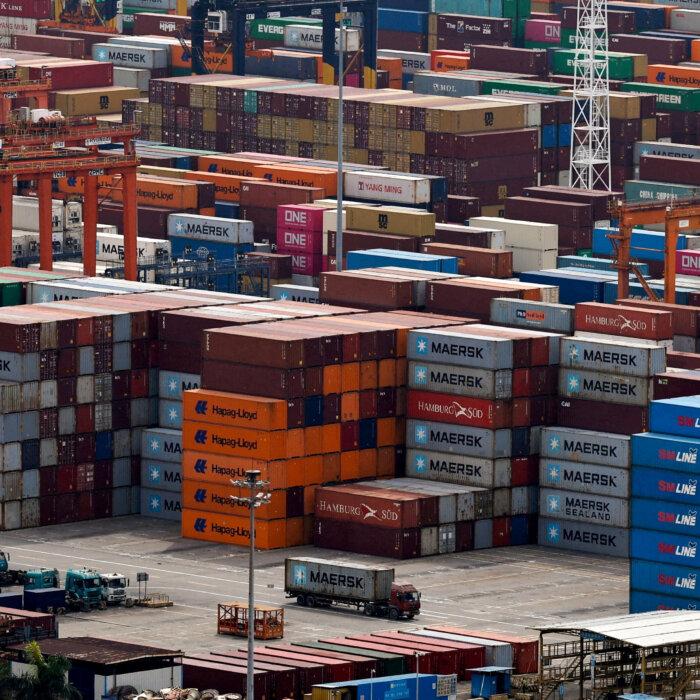
The country has already felt the impact of the tariff hikes imposed by the United States, Japan’s largest trading partner.
Tokyo is asking the Trump administration to scrap tariffs on imports from Japan, but so far, the United States has not agreed to do so.
Figures from the Japanese Finance Ministry show that April’s trade deficit totaled 115.6 billion yen ($804 million), compared with 504.7 billion yen ($3.5 billion) a year earlier.
Exports had picked up this year as businesses rushed to beat tariffs that have since taken effect following Trump’s return to the White House.
The United States is charging a 25 percent levy on imports of vehicles, a cornerstone of Japanese–American trade and a key driver of growth for the Far Eastern country’s economy.
As trade talks continue, Trump has thus far relaxed some tariffs on automobiles but has kept higher tariffs on steel and aluminum.
Trump and Japanese Prime Minister Shigeru Ishiba are set to meet at the G7 leaders’ summit in Canada next month, with trade talks expected to be high on the agenda during their conversation on the sidelines of the meeting.
Earlier this week, Japan allocated 388.1 billion yen ($2.7 billion) from its reserve fund to help cope with the impact of the tariffs imposed by Washington.